
How Long Does It Take to Ship a Car?
Transit time depends on distance, route popularity, season, and how you priced the job. Here are realistic timelines coast to coast, what actually causes delays, and how tracking really works.
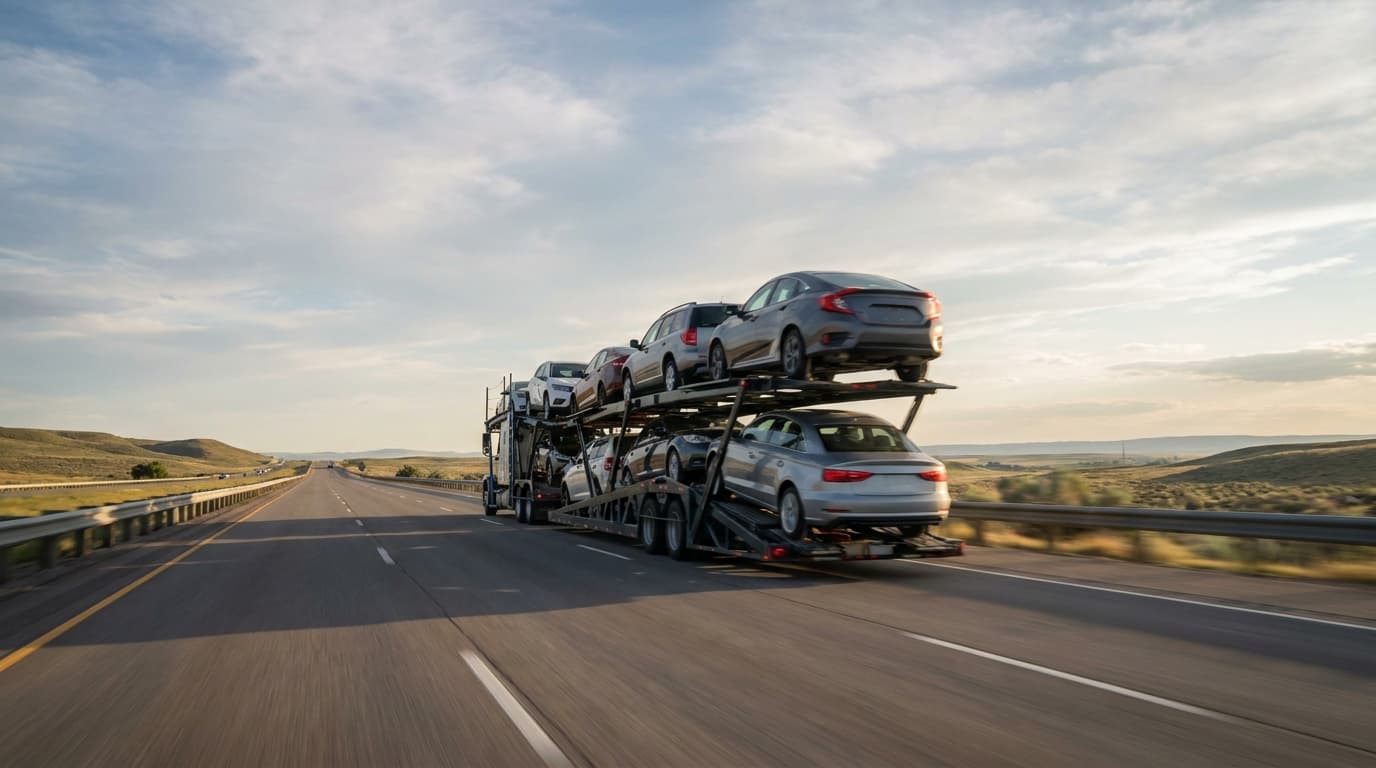
"How long will it take?" is the second question everyone asks after "how much?" The honest answer has two parts that people tend to blur together: how long until a driver picks the car up, and how long the drive itself takes. Mixing those up is why timelines feel unpredictable. Separate them and the whole thing becomes reasonably easy to plan. Here is what to actually expect.
Two clocks, not one
Your total time is made of two separate stretches.
The first is the pickup window, the gap between booking and a carrier actually collecting your car. This depends heavily on your route and, crucially, on whether you priced the job realistically. A popular lane priced at market rate can get picked up within a day or two. A slow rural route, or a job priced too low to attract a driver, can sit for a week before anyone accepts it.
The second is the transit time, the drive itself once the car is loaded. This is the part that follows fairly predictable mileage math. When someone tells you a move "takes about a week," they usually mean transit, and they may be quietly assuming a fast pickup that is not guaranteed.
Realistic transit times by distance
Once your car is on the truck, drivers cover roughly 300 to 500 miles per day. That range accounts for federally mandated rest breaks, fuel and food stops, and the driver's other pickups and drop-offs along the route, since your car shares the trailer with several others. Rough transit estimates:
- Under 500 miles: 1 to 2 days
- 500 to 1,000 miles: 2 to 3 days
- 1,000 to 1,500 miles: 3 to 5 days
- 1,500 to 2,000 miles: 4 to 6 days
- 2,000 to 2,500 miles, coast to coast: 7 to 9 days
Treat these as planning estimates, not guarantees. A move is a live operation on public roads, and no honest carrier promises a delivery to the hour.
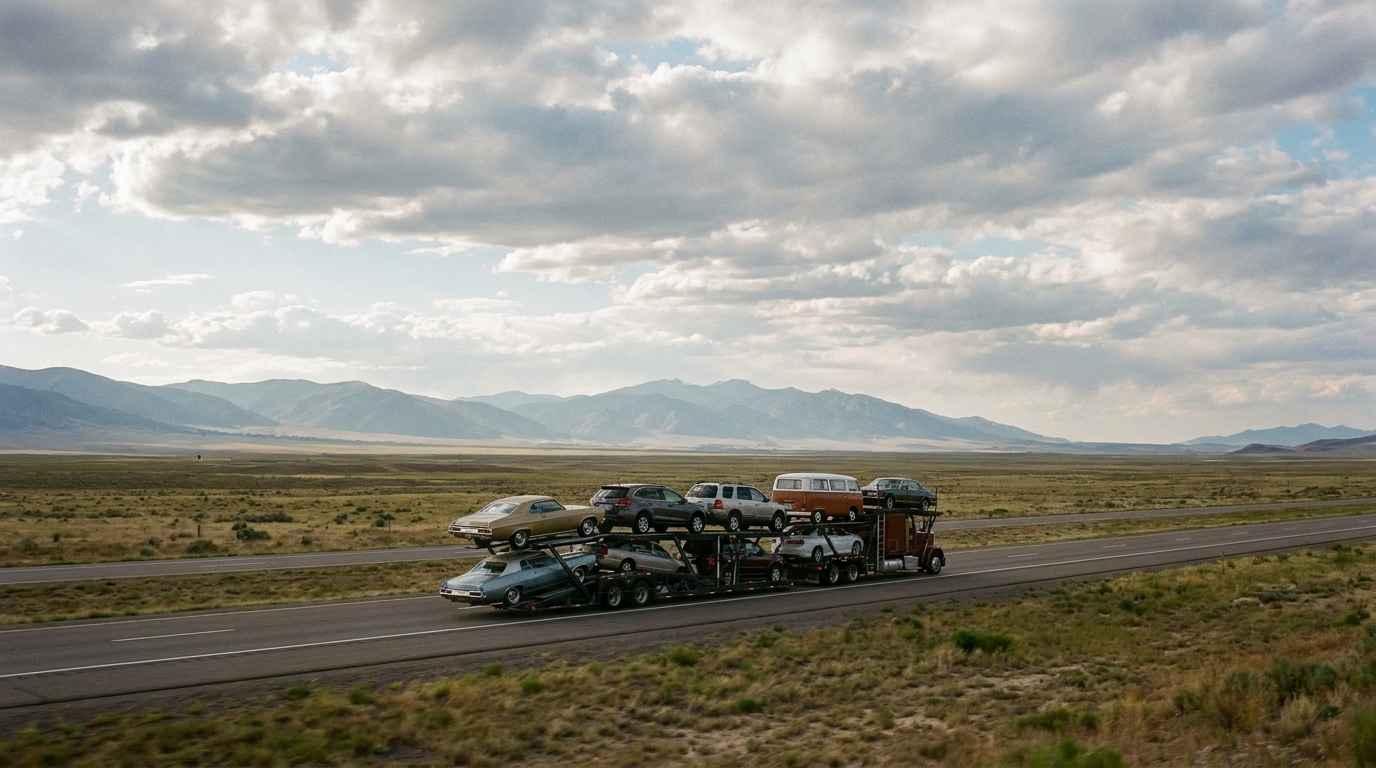
What actually causes delays
Delays are rarely random. The common causes:
- A lowball price. This is the big one. If you booked at a price no carrier will accept, your job sits on the load board while realistically priced jobs move ahead of it. The delay is not bad luck, it is the price. We explain the mechanism in How Much Does It Cost to Ship a Car.
- Remote pickup or delivery. A location far from major highways means a driver has to detour for a single car, so your job is less attractive and takes longer to get picked up.
- Weather and road conditions. Snowstorms, mountain passes, and severe weather slow everything down and are nobody's fault.
- Season. Peak summer and the snowbird migrations tighten capacity, so pickups take longer when everyone is shipping at once. See Snowbird Car Shipping.
- The driver's route. Your car is one stop among several. The sequence of the driver's other pickups and deliveries affects when yours moves.
How to get a faster move
You have real levers here, and most of them are about the pickup window, not the drive:
- Price it honestly. The fastest thing you can do is not underprice the job. A realistic rate gets grabbed quickly.
- Be flexible on dates. A wide pickup window ("any day next week") attracts more carriers than a rigid "must be Tuesday," which costs more and moves slower.
- Keep pickup and delivery near major routes. Meeting near a metro or a large accessible lot off the interstate speeds things up versus a hard-to-reach address.
- Book ahead. Give yourself lead time, especially in peak season, rather than needing a truck tomorrow.
If you genuinely need speed, some carriers offer expedited or guaranteed-pickup service for a premium. It costs more, but it buys a firm pickup date instead of a window.
How tracking really works
Set expectations here, because this surprises people. Most auto transport does not come with airline-style live GPS tracking. The norm is that you get the driver's contact information and can call or text for a status update, and a good broker will check in with the carrier for you. Some larger carriers offer app or GPS tracking, but it is a nice-to-have, not the industry standard. If real-time tracking matters to you, ask about it specifically before booking rather than assuming it is included.
Plan with a buffer
Because pickup timing is the variable part, build in a cushion. If you need the car by a certain date, book with margin rather than cutting it close, and do not plan to be carless in a way that leaves you stranded if the pickup takes a couple extra days. For a move tied to a relocation or a flight, arrange the shipment so you are not depending on the exact minimum estimate.
The bottom line
Transit itself is predictable: about 300 to 500 miles a day, so figure one to two days regional and roughly a week coast to coast. The genuinely variable part is how fast a driver picks the car up, and that is mostly in your control through honest pricing, flexible dates, and accessible locations. Price the job to move, give yourself a buffer, and confirm how you will get status updates. Do that and "how long will it take" stops being a source of anxiety and becomes a number you can plan around.
See real prices, no phone number required
We show named broker prices side by side, labeled by where each number came from. We never ask for your contact info to show you a quote.