
Military PCS Vehicle Shipping: A Service Member's Guide
A PCS move has its own rules for shipping a privately owned vehicle, from government-arranged overseas transport to doing it yourself stateside. Here is how POV shipping works, what the military covers, and how to avoid the common mistakes.
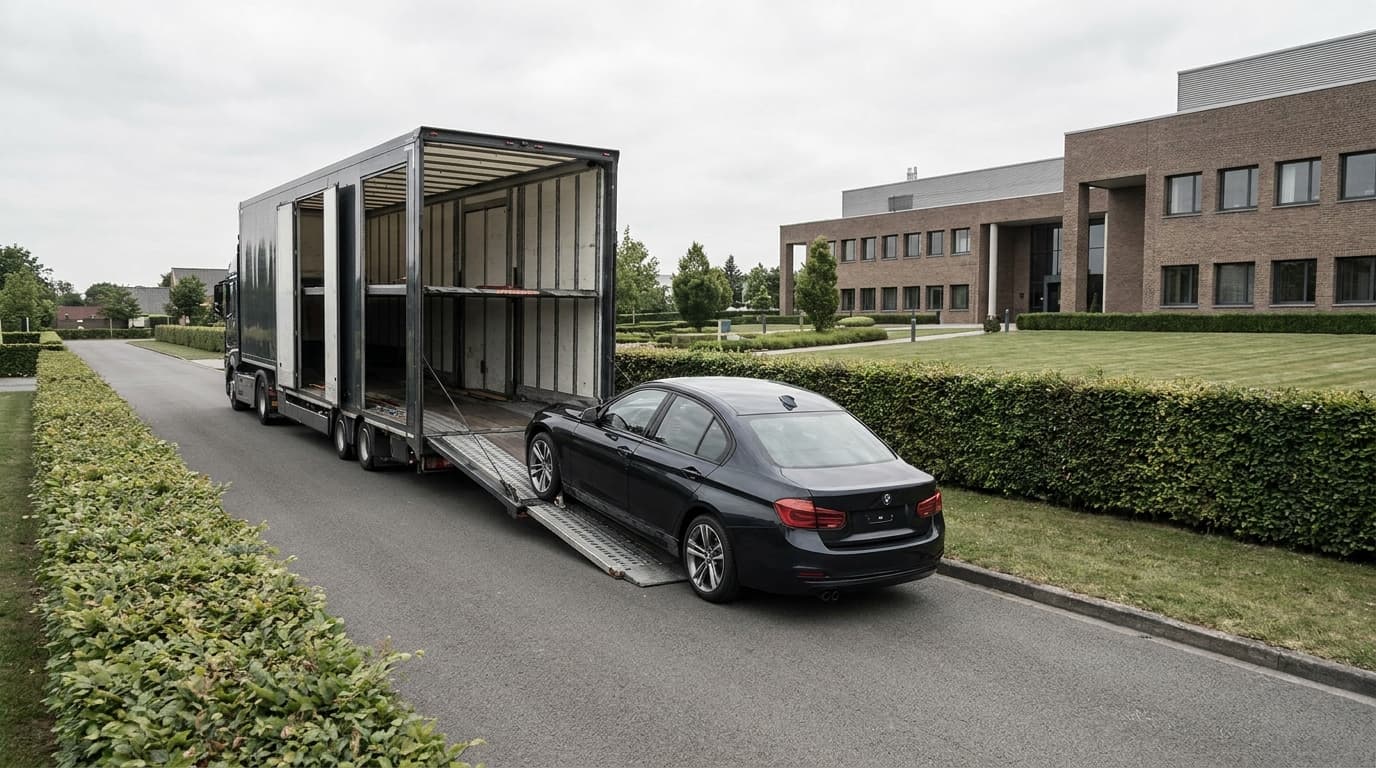
A permanent change of station moves your whole life, and the car comes with it. Shipping a privately owned vehicle during a PCS has its own set of rules that civilians never touch, and they differ sharply depending on whether you are moving stateside or overseas. Get the process right and much of it can be handled or reimbursed through official channels. Get it wrong and you can end up paying out of pocket for something the government would have covered. This guide orients you to how POV shipping works during a PCS. Always confirm the specifics with your orders and your transportation office, since entitlements and rules change and depend on your situation.
First rule: your orders and the transportation office decide
Before you book anything, the two authorities that matter are your official orders and your installation's transportation office, often called the Personal Property or Traffic Management Office. Your entitlements, what the government will ship or reimburse, flow from your orders and your specific move. The transportation office is where PCS vehicle shipping is arranged and where your questions get authoritative answers.
Do not assume, and do not book a private shipment for a move the government would have handled, without checking first. The single most expensive mistake service members make with POV shipping is arranging and paying for transport that was an entitlement they could have used. Start at the transportation office, every time.

Overseas PCS: the government usually ships your POV
For an overseas or OCONUS move, service members are generally entitled to have one privately owned vehicle shipped at government expense, arranged through the official POV shipping program and its designated vehicle processing centers, or VPCs.
The general flow looks like this:
- You drop the vehicle at a Vehicle Processing Center near your current location by the required date.
- The POV is inspected, documented, and shipped overseas through the official program, typically by ocean carrier.
- You pick it up at a VPC near your new duty station once it arrives and clears the destination process.
Because this is an ocean move to another country, the international realities apply: longer timelines, customs at the destination, and strict rules about the vehicle's condition and what can be inside it. Read International Car Shipping for the ocean-and-customs side of the picture. The key difference is that for an eligible PCS, the government arranges and funds the core shipment rather than you booking it privately. Confirm eligibility, deadlines, and any vehicle restrictions with your transportation office and the official program.
Stateside PCS: often on you, sometimes reimbursable
For a CONUS move within the United States, the picture is different. The military generally expects that a drivable POV can be driven to the new duty station, and mileage and travel allowances are built around that expectation. Government-arranged shipping of a running POV within the continental US is more limited and situation-dependent.
That said, there are cases, such as certain medical situations or specific circumstances defined by your orders, where stateside POV transport may be authorized or reimbursed. And plenty of service members simply choose to ship a car themselves for convenience, for example when driving both family vehicles across the country is impractical.
If you are arranging a stateside move yourself, it works exactly like any civilian shipment. The full playbook applies:
- Choose open or enclosed based on the car. See Open vs. Enclosed Auto Transport.
- Understand what drives the price and avoid the lowball trap. See How Much Does It Cost to Ship a Car.
- Prep and document the car thoroughly. See How to Prepare Your Car for Shipping.
Keep every receipt. If any part of a stateside move turns out to be reimbursable under your orders, you will need the paperwork to claim it.
Documentation matters even more here
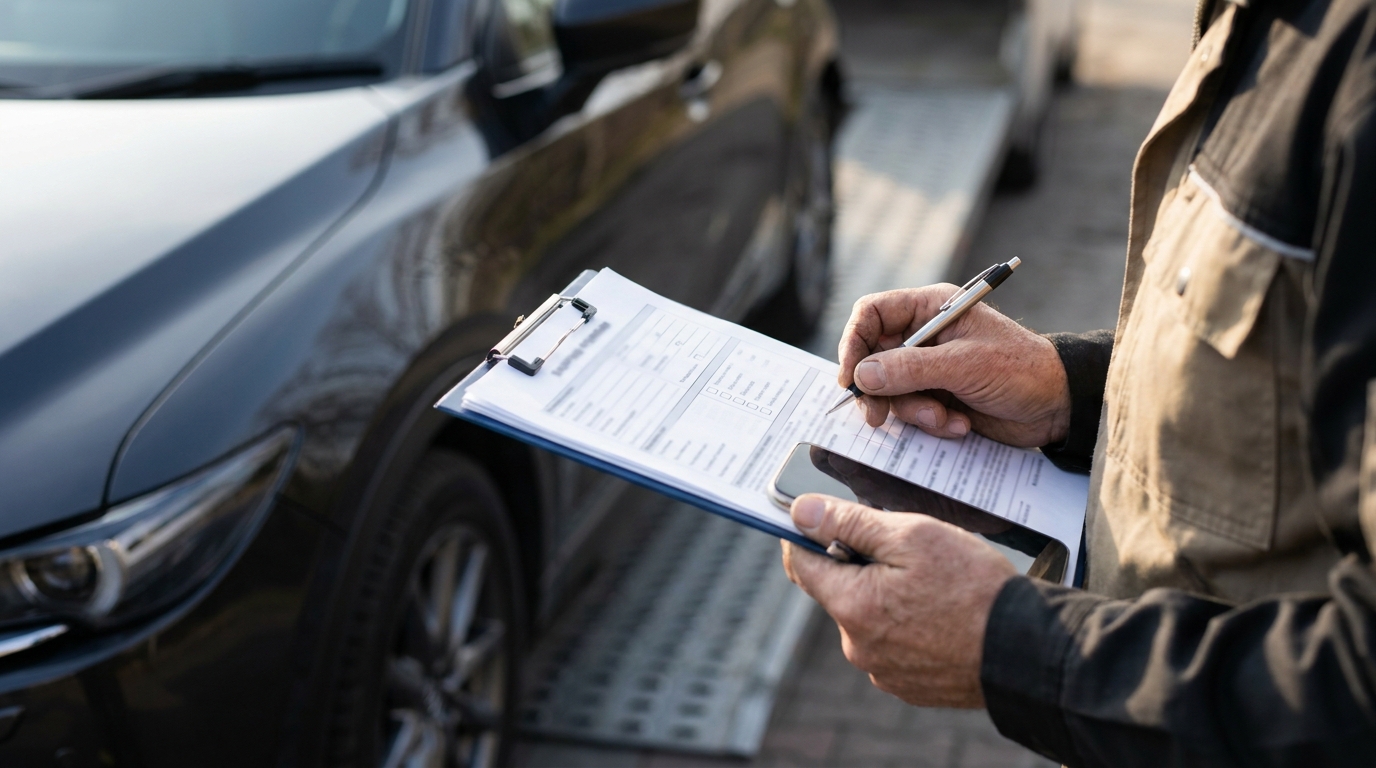
PCS moves involve official processes, deadlines, and potential reimbursement, so documentation is doubly important. Whether the government ships the car or you do:
- Photograph the vehicle thoroughly before it ships, timestamped, from every angle, plus the odometer.
- Keep the inspection and shipping paperwork. For official POV shipments, the VPC inspection is your condition baseline. For private moves, the Bill of Lading does the same job. See Understanding the Bill of Lading.
- Save all receipts and copies of your orders in case of reimbursement or a claim.
- Empty the vehicle of personal items, which is required for official POV shipping and smart for any move, since contents are not covered by transport insurance.
Timing around a PCS
PCS season concentrates in the summer, which is also the busiest stretch for the whole auto transport industry, so both official and private channels are under load. Plan early. For official POV shipments, hit the required drop-off dates and expect ocean timelines for overseas moves. For a private stateside move, book with lead time and a buffer, since summer pickups take longer. Do not leave vehicle shipping to the last week before you report.
Watch for military-targeted scams
Service members are a known target for shady operators. Be as skeptical as any civilian, and then some. A quote far below the pack, pressure to pay a large deposit up front, or a company that will not clearly state whether it is a broker or a carrier are all red flags regardless of any "military discount" marketing. A genuine discount is fine, a lure priced below what any carrier will run is not. Vet the company the same way anyone should. See Broker vs. Carrier for the full vetting checklist.
The bottom line
PCS vehicle shipping splits cleanly: overseas moves are usually shipped at government expense through the official POV program and VPCs, while stateside moves are more often on you unless your orders say otherwise. In both cases, start at your transportation office before you spend a dollar, confirm your entitlements against your orders, document everything, and keep every receipt. When you do arrange a move yourself, it is an ordinary civilian shipment and the standard rules apply. Handle the official channel first and the private channel carefully, and your car makes the move as smoothly as you do.
See real prices, no phone number required
We show named broker prices side by side, labeled by where each number came from. We never ask for your contact info to show you a quote.