
Understanding the Bill of Lading and the Inspection Report
The Bill of Lading is the single most important document in your entire car shipment. Here is what it is, why the inspection matters so much, and how to use it to win any damage dispute.
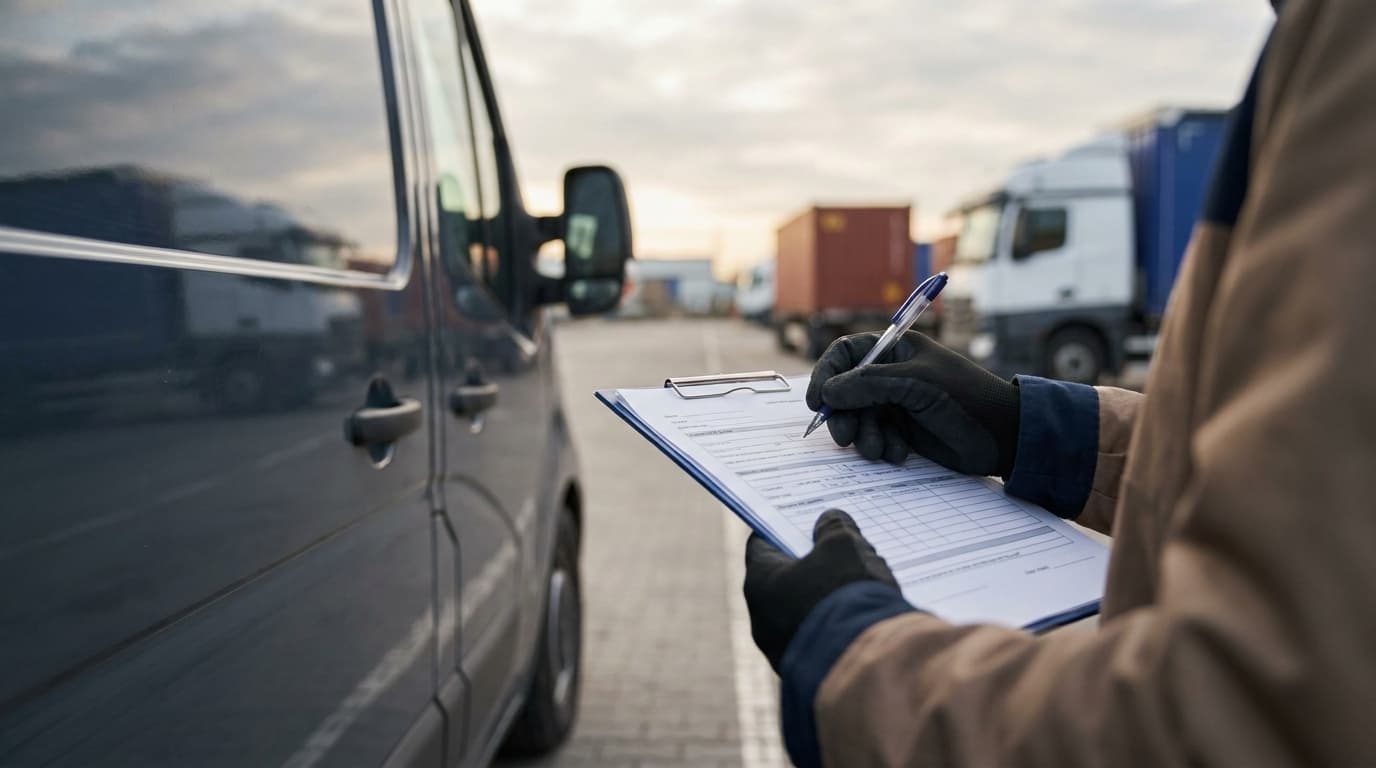
If you remember one piece of paper from your entire car shipment, make it the Bill of Lading. It is the legal record of your vehicle's condition, it is your receipt, and it is the document that decides who pays if the car arrives with a new scratch. First-time shippers tend to treat it as a formality and sign wherever the driver points. That is exactly how a legitimate claim gets lost. Here is how the document actually works and how to use it in your favor.
What the Bill of Lading is
The Bill of Lading, often shortened to BOL, is a standard transport document that does three jobs at once. It is a receipt confirming the carrier took possession of your vehicle. It is the contract of carriage between you and the carrier. And, most importantly for you, it includes the vehicle inspection report that records the car's condition at pickup and again at delivery.
Every legitimate move has one. If a driver shows up with no paperwork and wants to load your car on a handshake, that is a serious red flag. The BOL is not optional and it is not bureaucratic overkill. It is the thing that protects both you and the carrier.
The inspection is the heart of it
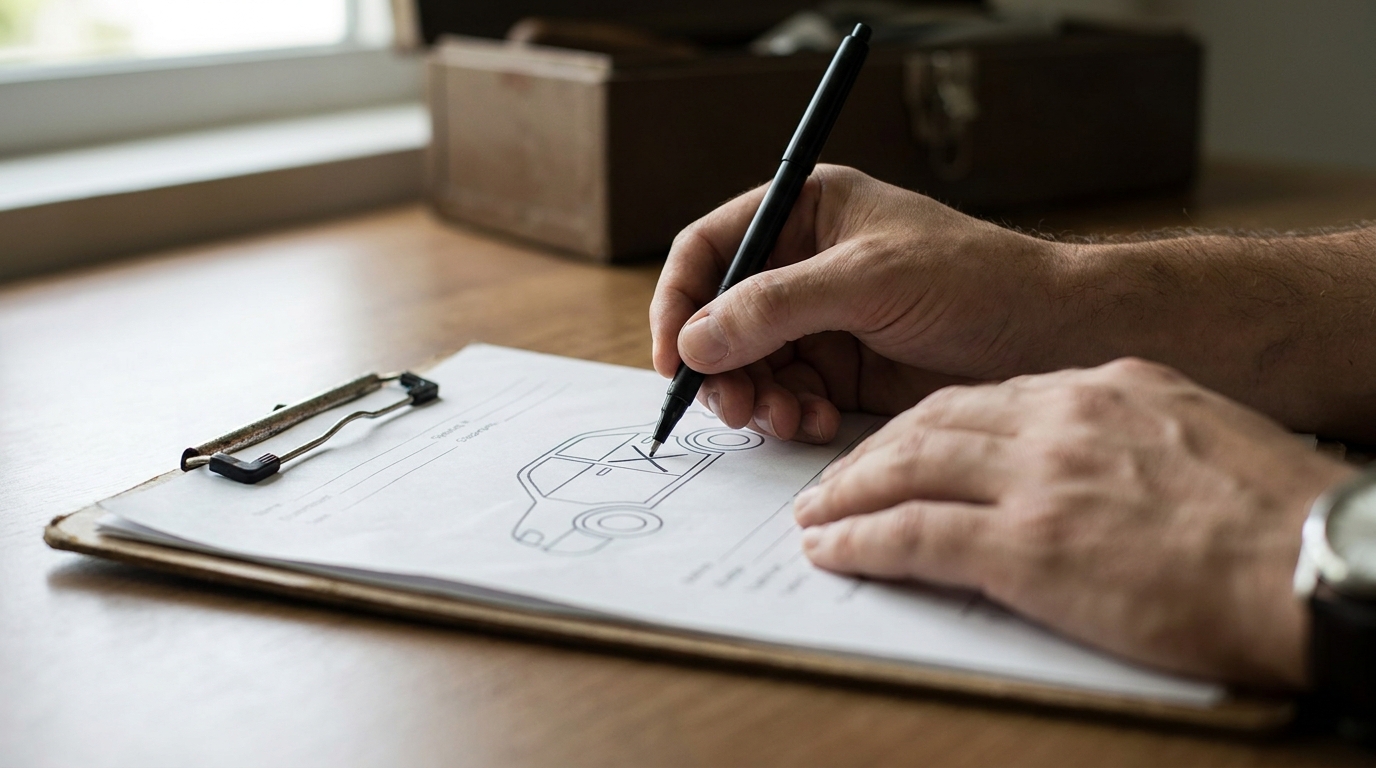
The most valuable part of the BOL is the condition diagram, usually an outline of a car that the driver marks up to note every existing scratch, dent, chip, ding, and crack at pickup. This becomes the baseline. At delivery, you compare the car against that baseline. Anything new that appears between pickup and delivery is, by definition, transport damage, and the documented baseline is what proves it.
This cuts both ways, and that is the point. It stops you from blaming the carrier for damage that was already there, and it stops the carrier from denying damage that genuinely happened on their truck. The document only works if the pickup inspection is done honestly and thoroughly, which is where you come in.
At pickup: do the walkaround, then sign
When the driver arrives, do not stand back and let them fill out the form alone. Walk the car together, in good light, and make sure every existing flaw is marked on the diagram. If the driver misses a scratch, point it out and have it added. The goal is a baseline that matches reality exactly.
Pair this with your own timestamped photos of every panel, both bumpers, the roof, the wheels, and the odometer, which you should take before the driver arrives. See How to Prepare Your Car for Shipping for the full pre-pickup routine. The photos and the signed BOL together are an almost unbeatable record.
Only sign the pickup section once the diagram is accurate. Your signature here says "this is the condition of the car as it goes onto the truck," so make sure that is true.
At delivery: inspect before you sign, every time
This is where claims are won or lost, and it is the step people rush because they are tired, it is late, or the driver seems in a hurry. Slow down.
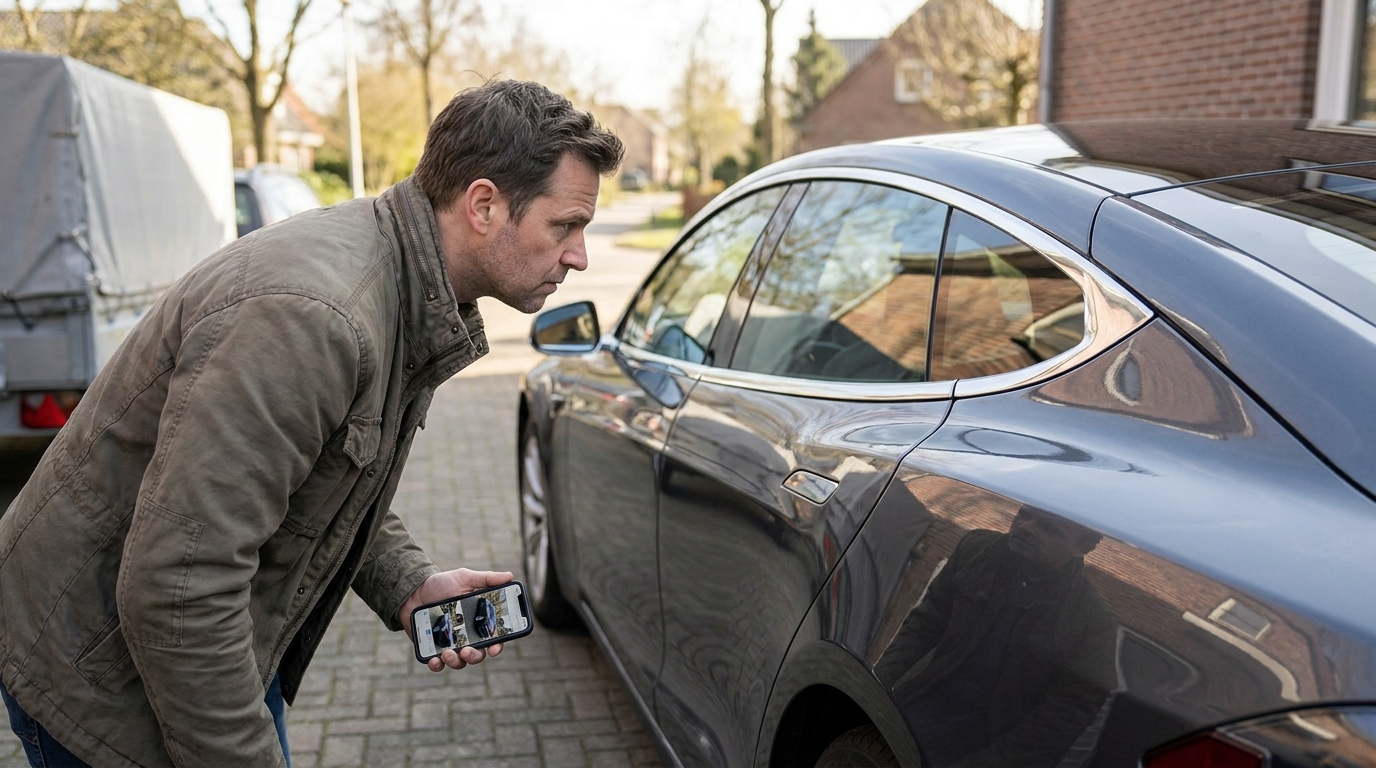
Before you sign the delivery section and before the driver leaves, inspect the car against the pickup diagram and your photos. Check every panel, both bumpers, the wheels, the glass, and the roof. If the car is dirty from the road, that road film can hide a fresh scratch, so wipe down or look closely at any area you are unsure about. If it is dark, use a flashlight, and do not accept delivery in conditions where you genuinely cannot see the car.
If you find new damage:
- Note it clearly on the delivery section of the BOL before you sign
- Photograph it immediately, next to the car
- Make sure the driver acknowledges it on the document
Here is the critical part. If you sign a clean delivery report, you are certifying the car arrived undamaged, and that signature can waive your right to file a claim later. A clean signature is the carrier's proof that nothing was wrong. Never sign off in the dark, in pouring rain, or without actually looking. If the driver pressures you to sign quickly, that pressure itself is a reason to slow down.
How a claim actually works
If new damage is documented at delivery, you file a claim with the carrier, whose cargo insurance covers vehicles damaged in transit. Your evidence is the annotated delivery BOL, the pickup baseline, and your before-and-after photos. A well-documented claim with clear photos and a noted delivery report is straightforward. A claim where you signed a clean BOL and have no photos is nearly impossible, because on paper the car arrived fine.
We go deeper on coverage, limits, and the claims process in Auto Transport Insurance Explained. The short version: the BOL is the foundation the whole claim stands on.
Keep your copy
Get a copy of the fully completed BOL, with both the pickup and delivery inspections, and keep it along with your photos until you are certain the car is fine and any claim window has passed. A photo of the document on your phone is enough. This is the paperwork you never think about again, right up until the day you desperately need it.
The bottom line
The Bill of Lading is not red tape. It is the mechanism that makes auto transport accountable. Treat the pickup inspection as your baseline and make it accurate, treat the delivery inspection as your last chance and never skip it, back both with timestamped photos, and refuse to sign a clean report you have not verified. Do that and you are protected. Ignore it and you are trusting a stranger's honesty with no proof to fall back on.
See real prices, no phone number required
We show named broker prices side by side, labeled by where each number came from. We never ask for your contact info to show you a quote.