
Auto Transport Insurance Explained: What's Covered and How Claims Work
Every licensed carrier insures your car in transit, but the coverage has real limits and gaps most first-time shippers never think to check. Here is what is covered, what is not, and how to actually file a claim.
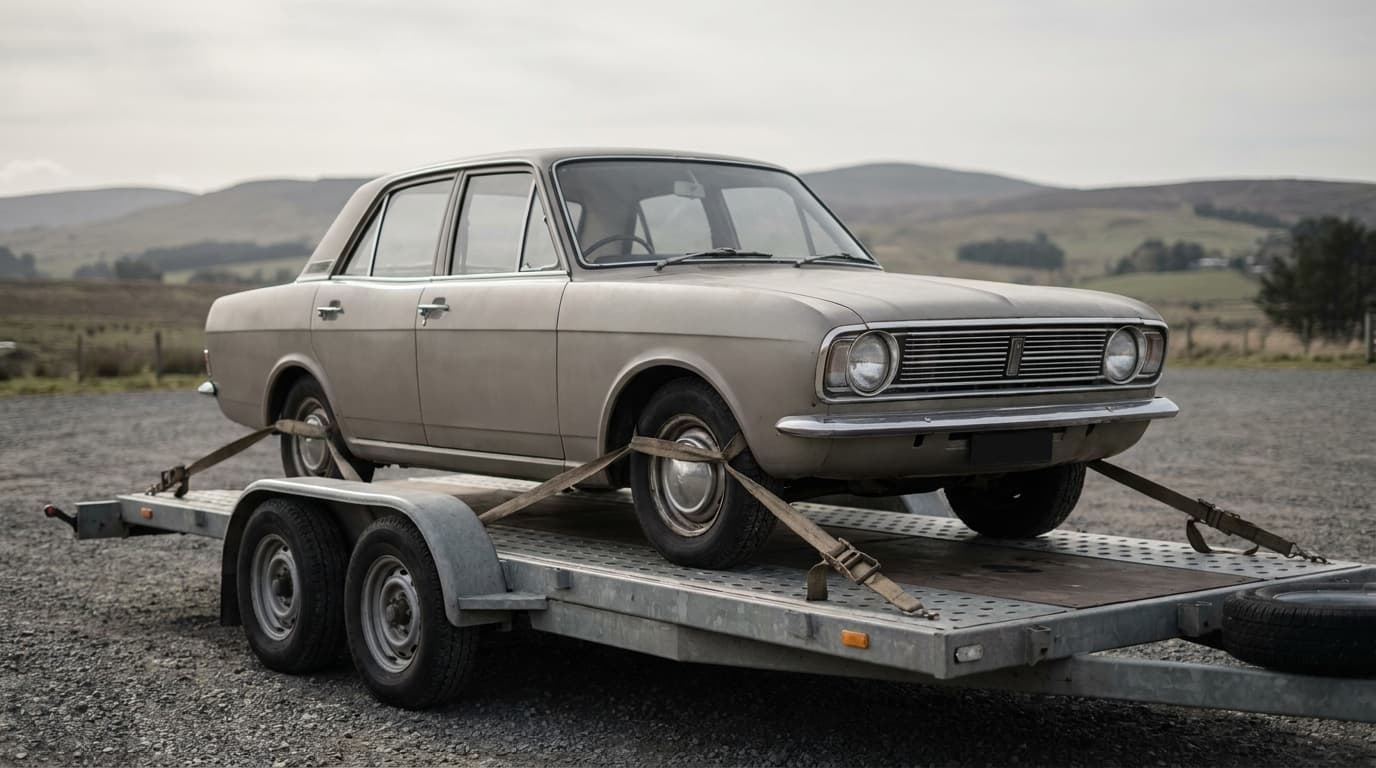
Here is a fact that reassures people, followed by the fine print that should keep them careful: every licensed auto carrier is legally required to carry cargo insurance, and your vehicle is covered by it while it is on their truck. That is real protection. But "covered" is not the same as "covered for everything, at any value, no questions asked." The gaps are exactly where first-time shippers get caught. This guide walks through what the insurance actually does, where it stops, and how a claim really works.
Who insures your car, and how much
The carrier, the company that owns the truck and physically hauls your vehicle, holds the cargo insurance that covers your car in transit. This is a federal requirement to operate. Before pickup, you are entitled to ask for the carrier's insurance certificate, and you should, especially for a valuable car.
The number that matters is the coverage amount, which is the maximum the policy will pay out, often expressed as a total limit for the whole load on the trailer. Here is the trap: a policy sized for a trailer full of ordinary sedans may not fully cover a single high-value car. If you are shipping something expensive, confirm that the per-vehicle coverage actually reflects what your car is worth. Do not assume. A $150,000 car on a policy built around $15,000 cars is underinsured, and you will not discover that until the worst possible moment.
If you book through a broker, the broker does not insure the car directly. Their job is to place your load with a carrier that carries valid, active cargo insurance, and to get you that carrier's certificate. A good broker verifies coverage before assigning the load. See Broker vs. Carrier for how that relationship works.
What cargo insurance covers
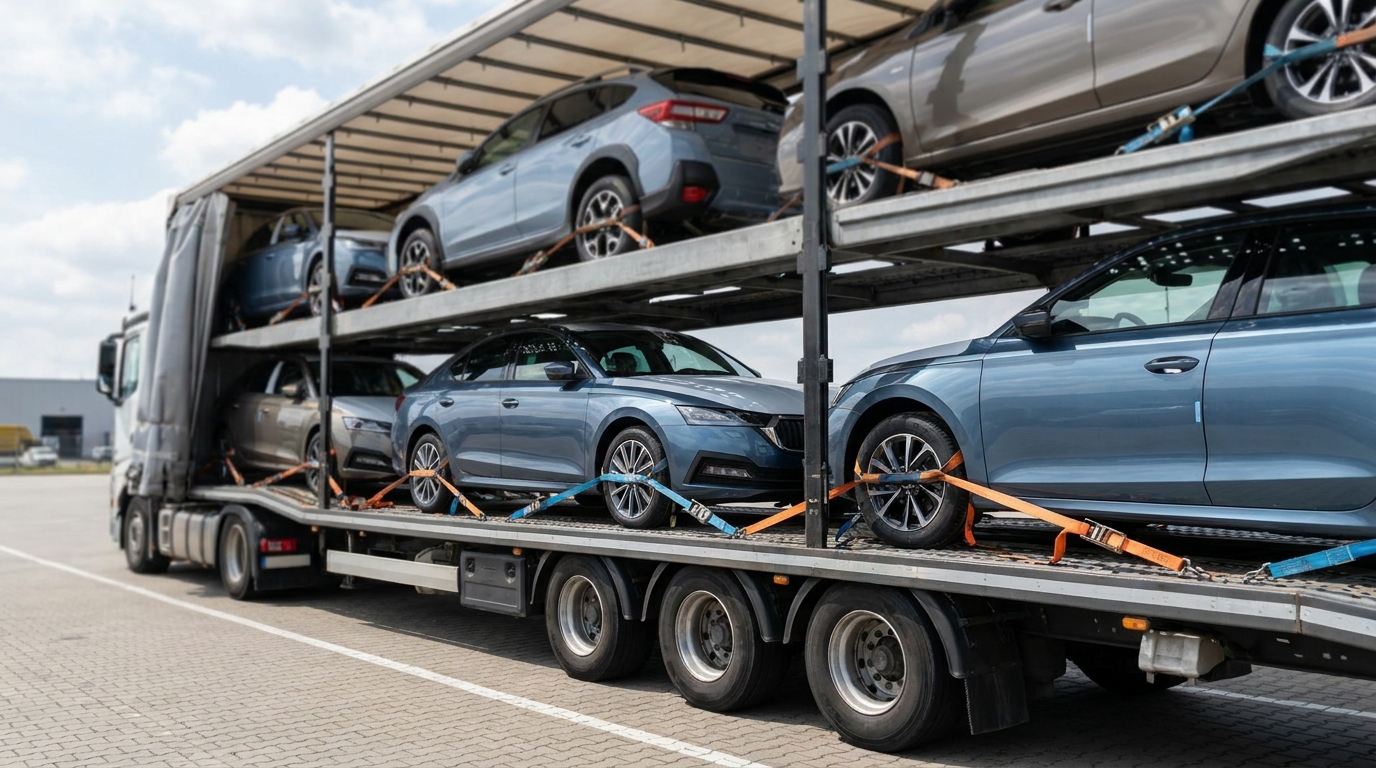
Carrier cargo insurance covers damage that happens to your vehicle during transport while it is in the carrier's care. If the car is dented, scratched, or damaged in a loading incident or on the road while on the truck, that is what the policy is for. This is why the inspection report matters so much, because it establishes that the damage occurred in transit and not before.
What it does not cover
This is the part to read twice, because the exclusions are where surprises live.
- Personal items inside the car. Cargo insurance covers the vehicle, not your belongings. Anything left inside is uninsured. This is one reason carriers ask you to empty the car. See How to Prepare Your Car for Shipping.
- Pre-existing damage. Scratches, dents, and wear that existed before pickup are not the carrier's responsibility. The condition report exists to draw exactly this line.
- "Acts of God" in some policies. Damage from certain events like hail, storms, or falling debris may be excluded or limited depending on the policy, which is one reason owners of valuable cars choose enclosed transport.
- Mechanical issues that are not impact damage. A problem that is wear or a pre-existing mechanical condition, rather than transport damage, generally is not covered.
- Anything you signed away. If you sign a clean delivery report, you may have certified the car arrived undamaged, which can waive a claim regardless of what the policy would have covered.
The documentation that makes coverage real
Insurance only helps if you can prove what happened, and the proof is the same two things we hammer on throughout these guides:
- The Bill of Lading and its inspection report, which records the car's condition at pickup and delivery. New damage noted at delivery is your claim. See Understanding the Bill of Lading.
- Your own timestamped photos of every panel before pickup and again at delivery.
A claim backed by a clean pickup baseline, a delivery report noting the new damage, and clear before-and-after photos is strong. A claim where you signed a clean report and took no photos is nearly hopeless, because on paper the car arrived fine. The insurance did not fail you. The documentation did.
How to file a claim, step by step
If your car arrives with new transport damage:
- Note it on the delivery Bill of Lading before you sign. This is non-negotiable. Damage not recorded at delivery is extremely hard to claim afterward.
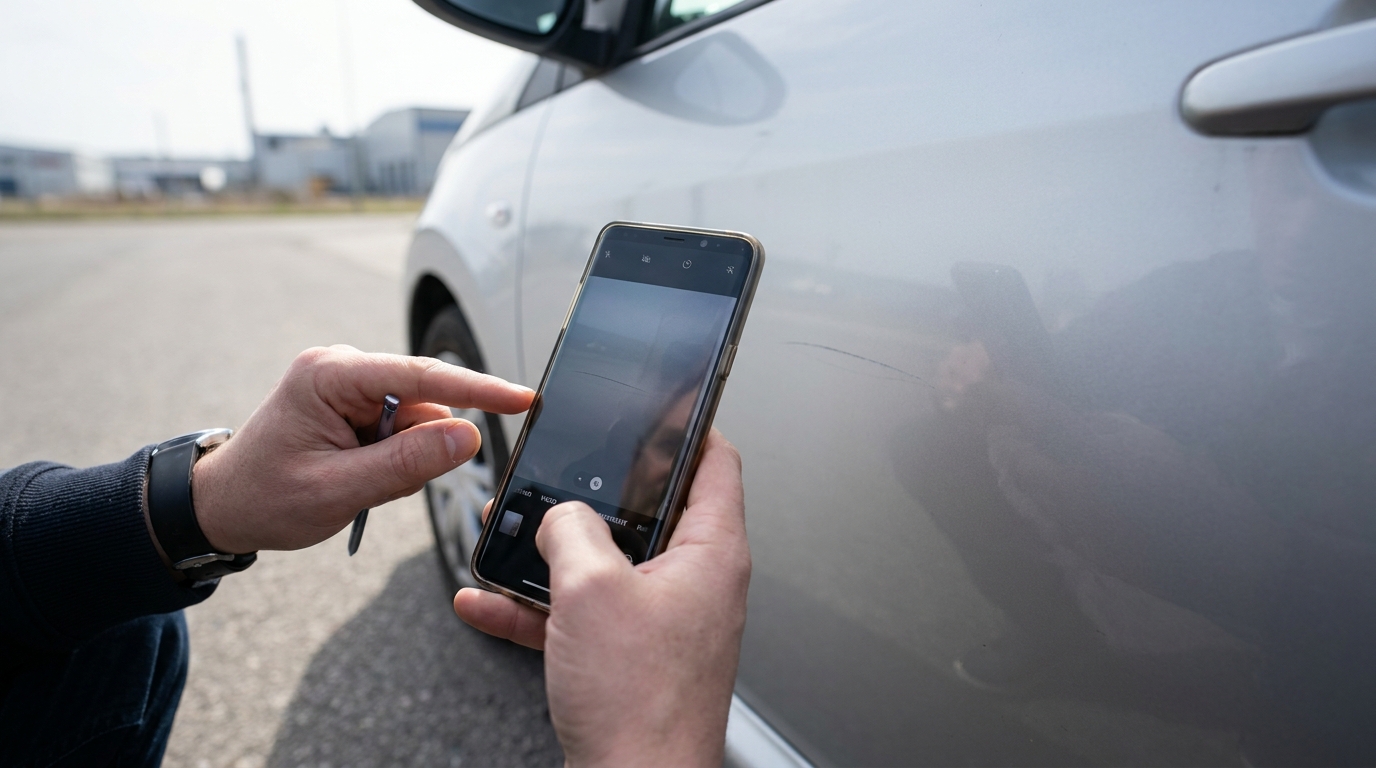
- Photograph the damage immediately, next to the car, before the driver leaves.
- Get the driver to acknowledge it on the document.
- Contact the carrier promptly to open a claim, and if you booked through a broker, loop them in, since a good broker will help push the claim.
- Submit your evidence: the annotated delivery BOL, the pickup baseline, and your photos.
- Follow the claim window. Claims have deadlines. File quickly rather than sitting on it.
A clean, well-documented claim is usually resolved without drama. Problems arise when the documentation is thin, which is entirely preventable.
Should you use your own auto insurance too?
It can be worth a quick call to your personal auto insurer before shipping to ask whether your policy provides any coverage during transport, since some policies do as a secondary layer. This is not a substitute for the carrier's cargo insurance, but for a valuable vehicle it is a reasonable belt-and-suspenders check. For high-value cars, also confirm whether the carrier offers additional or supplemental coverage.
The bottom line
Your car is insured in transit by the carrier's cargo policy, and that is genuine protection. But protection has a ceiling and exclusions, so confirm the coverage amount actually fits your car's value, know that personal items and pre-existing damage are not covered, and understand that the whole system runs on documentation. Verify the coverage before pickup, photograph everything, never sign a clean report you have not checked, and file promptly if something goes wrong. Handled that way, the insurance does exactly what it is supposed to.
See real prices, no phone number required
We show named broker prices side by side, labeled by where each number came from. We never ask for your contact info to show you a quote.