
How to Prepare Your Car for Shipping: A Pre-Pickup Checklist
The right prep prevents damage disputes, delays, and surprise fees at pickup. Here is exactly what to do to your vehicle before the carrier arrives, step by step.
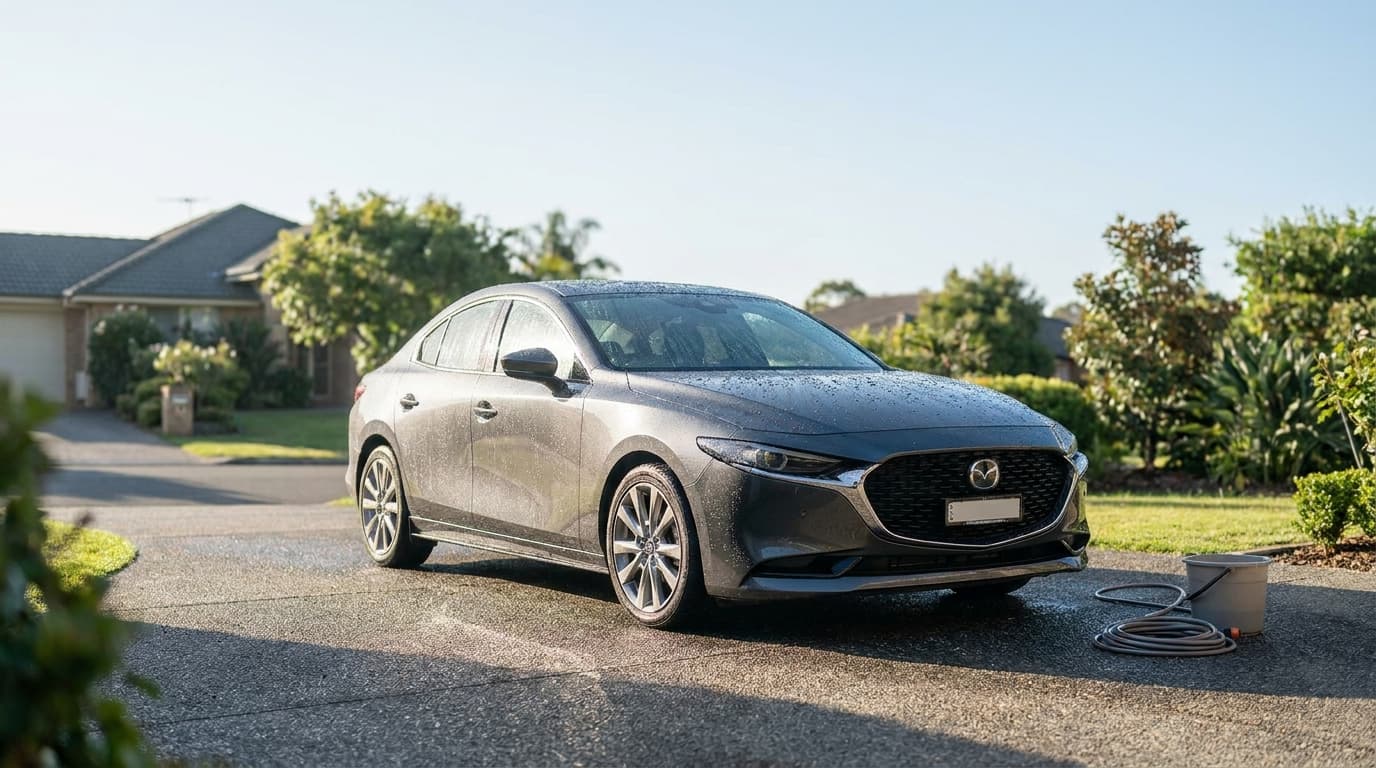
Most of what goes wrong in auto transport is decided before the truck ever shows up. A car that is clean, documented, nearly empty, and low on fuel loads fast, arrives without a dispute, and does not trigger surprise fees. A car that is dirty, loaded with belongings, and full of gas invites exactly the problems people blame on the shipping industry. Preparation is the single cheapest insurance you can buy on a move, and it costs you nothing but an hour. Here is the full checklist.
Wash the car first
This feels backwards, since the car will pick up road film in transit, but a clean car is about documentation, not vanity. Dirt hides scratches, chips, and dents. When the driver fills out the condition report at pickup, existing damage needs to be visible and recorded, or a pre-existing mark can later look like transport damage to you and like your problem to the carrier. Wash the exterior the day before so every flaw is plain in your photos and on the paperwork.
Document the condition thoroughly
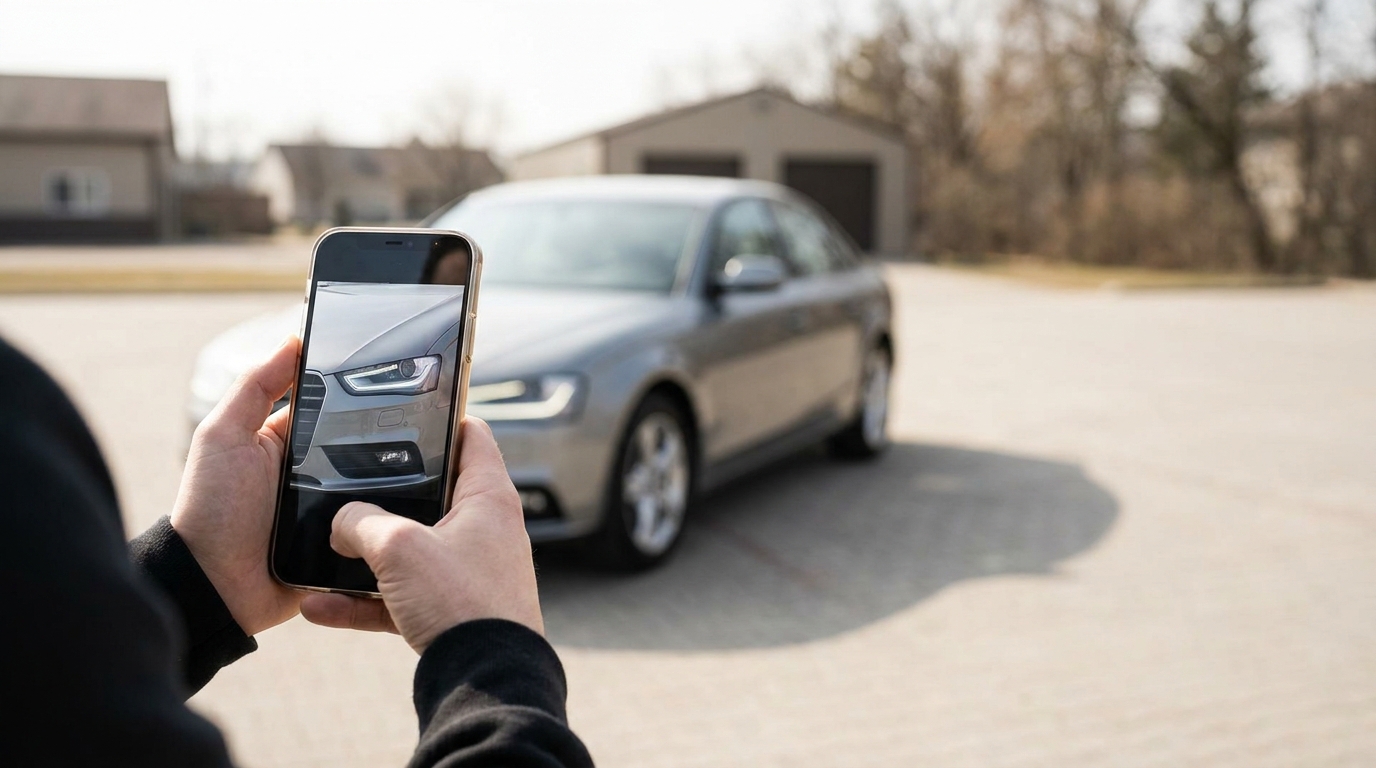
This is the most important thing you will do, and it takes ten minutes. Photograph the entire vehicle in good daylight before pickup:
- Every panel, both bumpers, the roof, the hood, and the trunk
- All four wheels and tires
- Any existing scratch, dent, chip, or crack, up close
- The odometer reading
- The interior condition
Make sure the photos are timestamped, which most phones do automatically. This record, paired with the Bill of Lading the driver fills out, is what settles any damage claim. If a dispute ever happens, the person with clear before-and-after photos wins. We cover the paperwork side in Understanding the Bill of Lading.
Remove all personal items
Empty the car. This matters for three reasons. First, carrier cargo insurance covers the vehicle, not the contents, so anything left inside is uninsured and on you if it is lost or damaged. Second, loose items slide around in transit and can damage the interior. Third, extra weight in the car adds to the load the carrier hauls, and federal weight rules are strict, so a trunk full of belongings can genuinely be a problem.
Take out everything: chargers, sunglasses, garage door openers, toll transponders, aftermarket electronics, and anything in the trunk or glovebox you would miss. Some carriers allow a small amount of personal items in the trunk, often up to a modest weight limit, but treat that as an exception to confirm in writing, not a default.
Leave the gas tank about a quarter full
You are paying to move the car, not a full tank of fuel, and gas is dead weight. A quarter tank is the sweet spot. It is enough for the driver to load, unload, and reposition the vehicle, but not so much that you are hauling unnecessary weight across the country. A full tank adds real pounds and offers no benefit.
Check for mechanical issues and leaks
Tell your broker or carrier up front about anything unusual. A car that leaks oil or coolant can drip onto vehicles below it on an open carrier, which the driver needs to plan for. Note the condition of the battery and tires. Tires should be properly inflated, because the car is secured by the wheels and a flat complicates loading. If the car does not start or roll, that is a different service entirely, covered in How to Ship a Non-Running Car. Do not surprise the driver with an inop vehicle at pickup, because they may not have the equipment to load it.
Disable the alarm and handle toll tags
A car alarm that goes off repeatedly in transit is a headache for the driver and can drain the battery. Disable it, or give the driver clear instructions to shut it off. Remove or bag any electronic toll transponder so you are not billed for phantom passes while the car rides on a truck through toll gantries.
Fold in mirrors, retract antennas, secure loose parts
Anything that sticks out or hangs loose is a snag risk in a tight-packed carrier. Fold in the side mirrors, retract or remove a telescoping antenna, and secure or remove any aftermarket spoilers, bike racks, or removable roof racks. For a convertible, make sure the top is up and latched securely. On a car with very low ground clearance, tell the carrier in advance so they bring ramps or a liftgate that will not scrape the front lip.
Note existing damage on the report with the driver
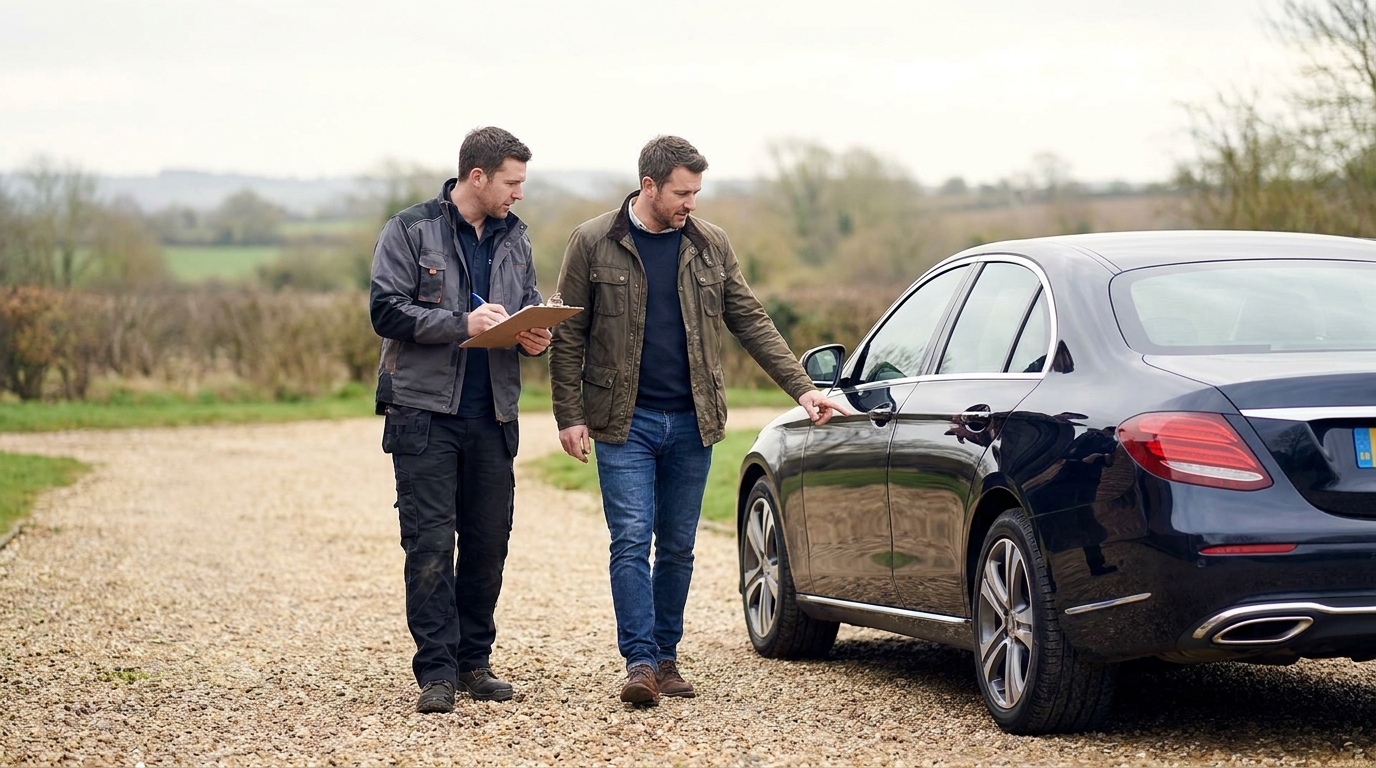
When the driver arrives, walk the car together and make sure the Bill of Lading reflects reality. Every existing scratch and dent should be marked. This protects you, because a mark that is documented at pickup cannot become a transport claim, and it protects the carrier from being blamed for damage that was already there. Do not let this step get rushed. If it is dark or pouring rain, use your phone light and take extra photos.
Keep a spare key, hand over a working one
Give the driver a key that starts and moves the car, and keep a spare yourself. Losing your only key to a car that is now on a truck two states away is a bad day. Never hand over the only copy.
Confirm the logistics in writing
Before pickup day, confirm the pickup window, the delivery contact and address, and the exact payment terms. Many moves collect a balance at delivery in cash or certified funds paid to the driver, so know the number and the form before the truck rolls up. Make sure someone at least eighteen years old will be present at both ends to release and receive the vehicle and sign the paperwork.
The quick version
- Wash it so damage is visible
- Photograph every angle, timestamped, plus the odometer
- Empty all personal items
- Leave about a quarter tank of gas
- Report leaks, low tires, or a dead battery in advance
- Disable the alarm, remove toll tags, fold in mirrors
- Do the condition walkaround with the driver and check the Bill of Lading
- Hand over a working key, keep a spare
- Confirm pickup window, delivery contact, and payment terms in writing
Do these and your move is boring, which in auto transport is exactly what you want. The dramatic stories almost always trace back to a step on this list that somebody skipped.
See real prices, no phone number required
We show named broker prices side by side, labeled by where each number came from. We never ask for your contact info to show you a quote.