
How to Ship a Non-Running or Inoperable Car
A car that will not start, steer, or roll needs special equipment and costs more to move. Here is how inoperable vehicle transport works, what it costs, and why honesty about the car's condition is non-negotiable.
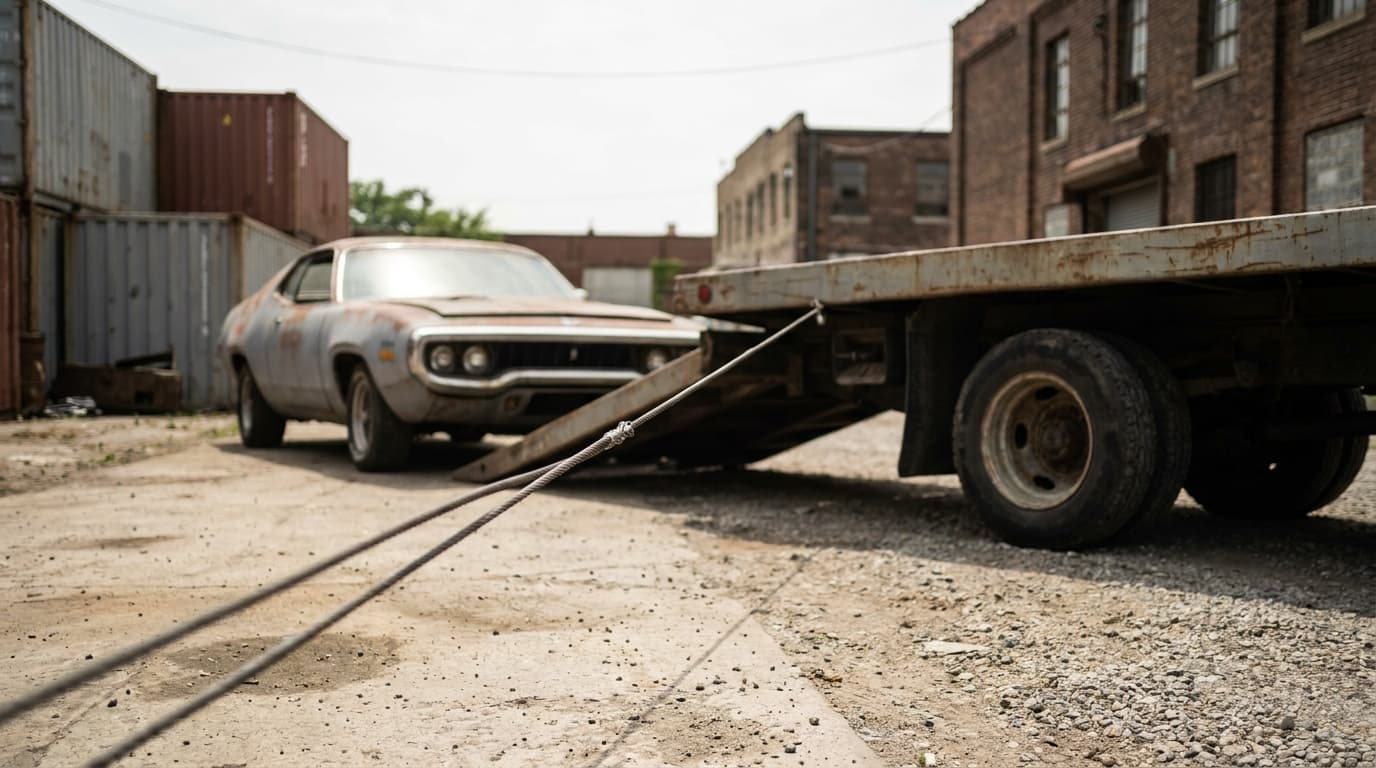
Shipping a car that does not run is completely normal and completely doable. Project cars, barn finds, auction buys, wrecked vehicles, and cars with a dead battery or blown transmission get transported every day. The difference is that a non-running car cannot be driven onto the trailer under its own power, so it needs special equipment and extra time to load, and that changes the price and the planning. The one thing you cannot do is pretend the car runs when it does not. Here is how it works.
What "inoperable" actually means
In the industry, a vehicle is inoperable, often shortened to "inop," if it cannot do the basic things needed to load it. Carriers usually break this into two categories, and the distinction matters for pricing and equipment.
The rolls, brakes, and steers category is the easier one. The engine may not start, but the car can be pushed, it stops when needed, and the wheels can be steered to guide it into position. Most "non-running" cars fall here, and they are relatively straightforward to load with a winch.
The does not roll, brake, or steer category is harder. A car with seized wheels, a locked transmission, no functioning brakes, or damage that prevents it from moving at all needs more serious equipment, sometimes a forklift or specialized loading gear, and costs more to handle.
When you request a quote, be specific about which describes your car. "It does not start but it rolls and steers" and "the wheels are seized" are two very different jobs.
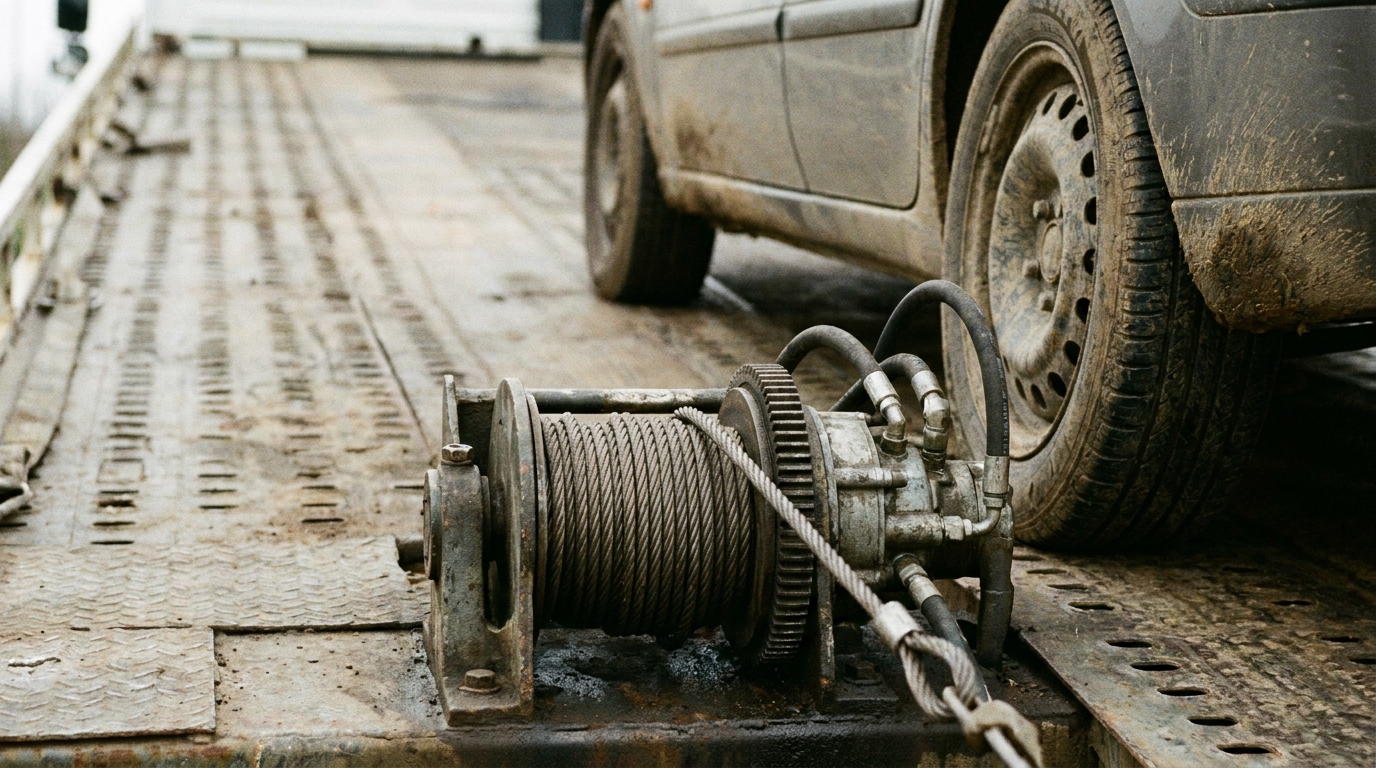
The equipment that moves an inop car
Loading a non-running car takes gear that not every carrier has on the truck, which is exactly why you have to disclose the condition in advance:
- A winch pulls a rolling, steering car up the ramp with a cable when it cannot drive up on its own. This is the most common solution.
- A liftgate, the hydraulic platform found on many enclosed and some open carriers, raises a car onto the deck without it needing to climb a ramp. This is common for low or delicate vehicles as well.
- A forklift or specialized loading equipment may be needed for a car that will not roll at all, which is less common and more expensive.
The key point is that a driver who shows up expecting a running car and finds one that will not move may simply not have a winch or liftgate on that truck. That means a failed pickup, a wasted trip, and a rebooking, and it can leave you scrambling. Match the equipment to the car up front.
What it costs
Shipping an inoperable car costs more than a running one because it takes special equipment and more of the driver's time to load and unload. Expect a surcharge, commonly in the range of $100 to $250 over the equivalent running-car price for a car that rolls and steers, and potentially more for one that does not roll or needs a forklift. Treat those figures as general planning estimates, not live quotes, since the exact amount depends on the route, the car, and the equipment required. For the full picture of what drives price, see How Much Does It Cost to Ship a Car.
The surcharge is not a gouge. Winching and liftgate loading genuinely take longer and require equipment the carrier has to own and maintain. Fewer trucks are set up for it, which also thins availability, so give an inop move a bit more lead time.
Be completely honest about the condition
This is the rule that matters most, so it is worth stating plainly. Never describe a non-running car as running to get a cheaper quote or a faster pickup. It backfires every time. The driver arrives without the right equipment, cannot load the car, and you are back to square one with a failed pickup and a new booking. Worse, an inaccurate description can void parts of your agreement.
Disclose, in writing, exactly what the car can and cannot do: does it start, does it roll, does it steer, do the brakes work, are all four tires inflated and turning. A carrier who knows the truth brings the right truck. A carrier who is surprised at the curb cannot help you.
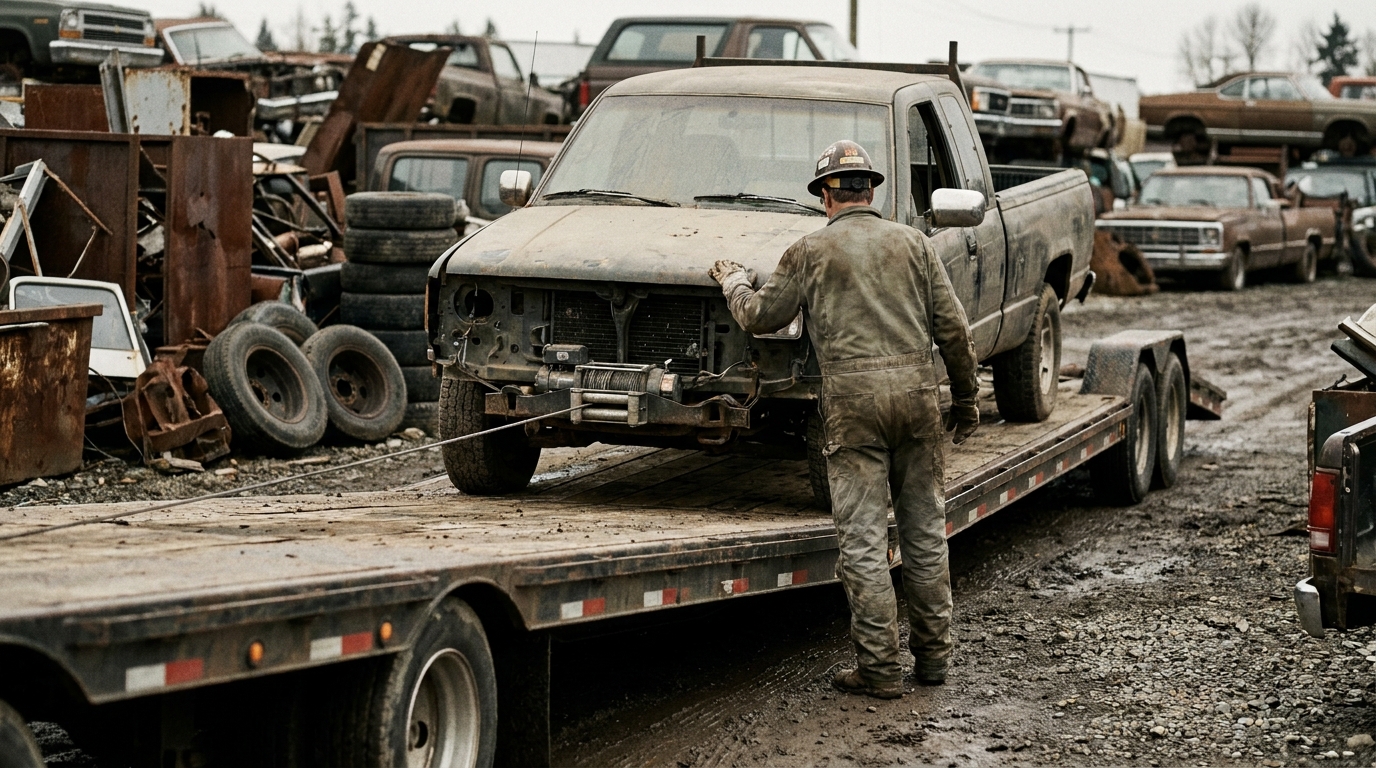
Prep for a non-running car
Most of the standard pre-shipping prep still applies, with a few additions specific to inop vehicles. See How to Prepare Your Car for Shipping for the full checklist, and add these:
- Confirm the wheels roll and turn. If they do not, say so, because it changes the equipment.
- Note leaks. A non-running car is more likely to leak fluids, which the driver needs to plan for on an open carrier.
- Provide a key if you have one. Even a car that does not start may need to be put in neutral and have the steering unlocked, so a working key helps.
- Secure or disclose loose parts. Project cars often have removed bumpers, loose trim, or parts in the trunk. Tell the carrier and secure what you can.
- Document the condition thoroughly. A wrecked or project car has a lot of existing damage, so photograph all of it and make sure the Bill of Lading reflects it, or you will not be able to tell old damage from new. See Understanding the Bill of Lading.
The bottom line
A non-running car ships just fine as long as you set it up right. Figure out which inop category your car falls into, disclose the exact condition honestly and in writing, and expect a reasonable surcharge for the special equipment. Give the move a little extra lead time since fewer trucks are equipped for it, document the car's existing damage carefully, and never claim it runs when it does not. Do that and your project car, auction buy, or dead daily driver gets where it is going without drama.
See real prices, no phone number required
We show named broker prices side by side, labeled by where each number came from. We never ask for your contact info to show you a quote.