
International Car Shipping: Overseas, Hawaii, and Alaska
Shipping a car across an ocean is a different world from a domestic move: ports, ocean carriers, customs, and two very different methods. Here is how RoRo and container shipping work, and what changes for Hawaii and Alaska.
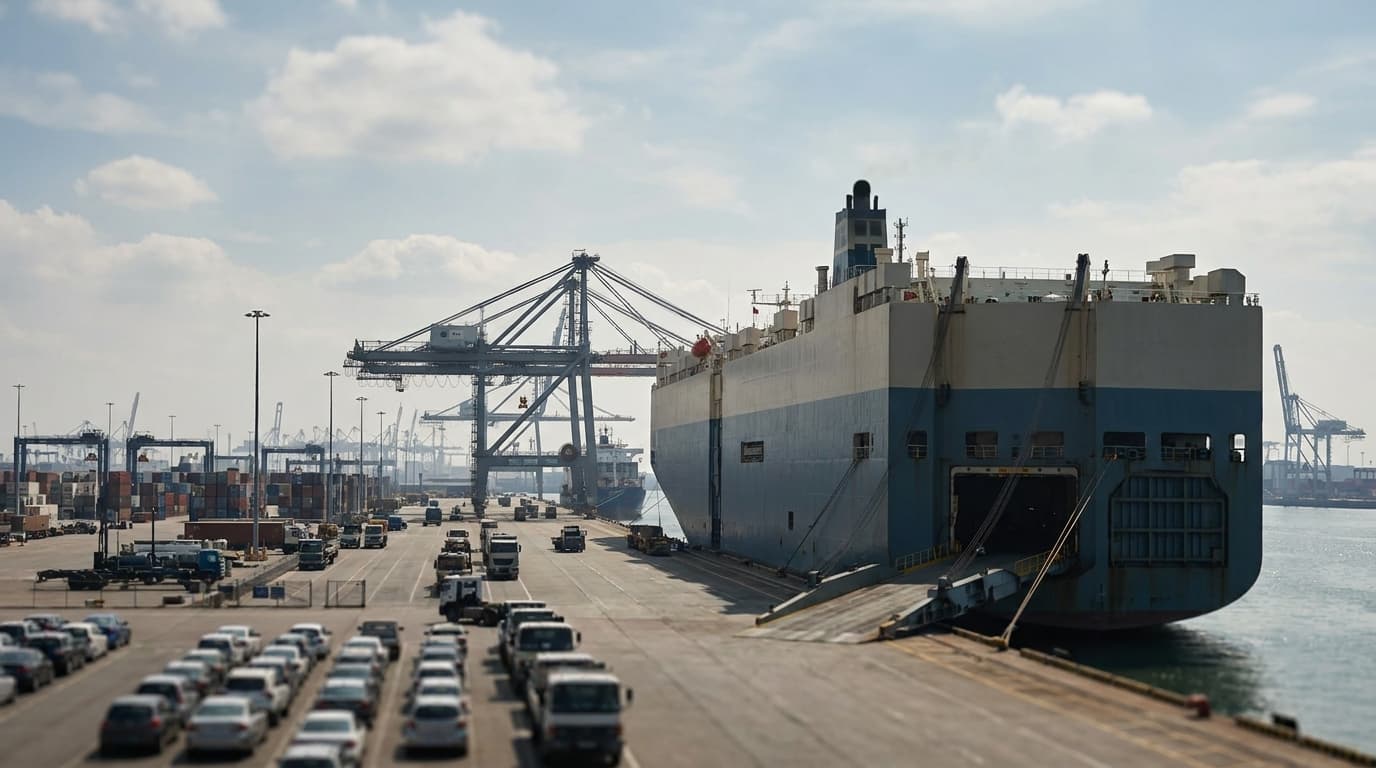
Domestic car shipping and international car shipping share a name and almost nothing else. The moment an ocean is involved, you are dealing with ports, ocean carriers, customs authorities, and a set of rules that have real legal and financial teeth. This is also true, in a lighter way, for Hawaii and Alaska, which require ocean transport even though they are domestic. This guide is an orientation to how overseas shipping works so you know what you are getting into before you start. For a move like this, working with a specialist experienced in your specific destination country is strongly advised.
The two methods: RoRo and container
Almost all ocean car shipping happens one of two ways, and the choice drives both price and protection.
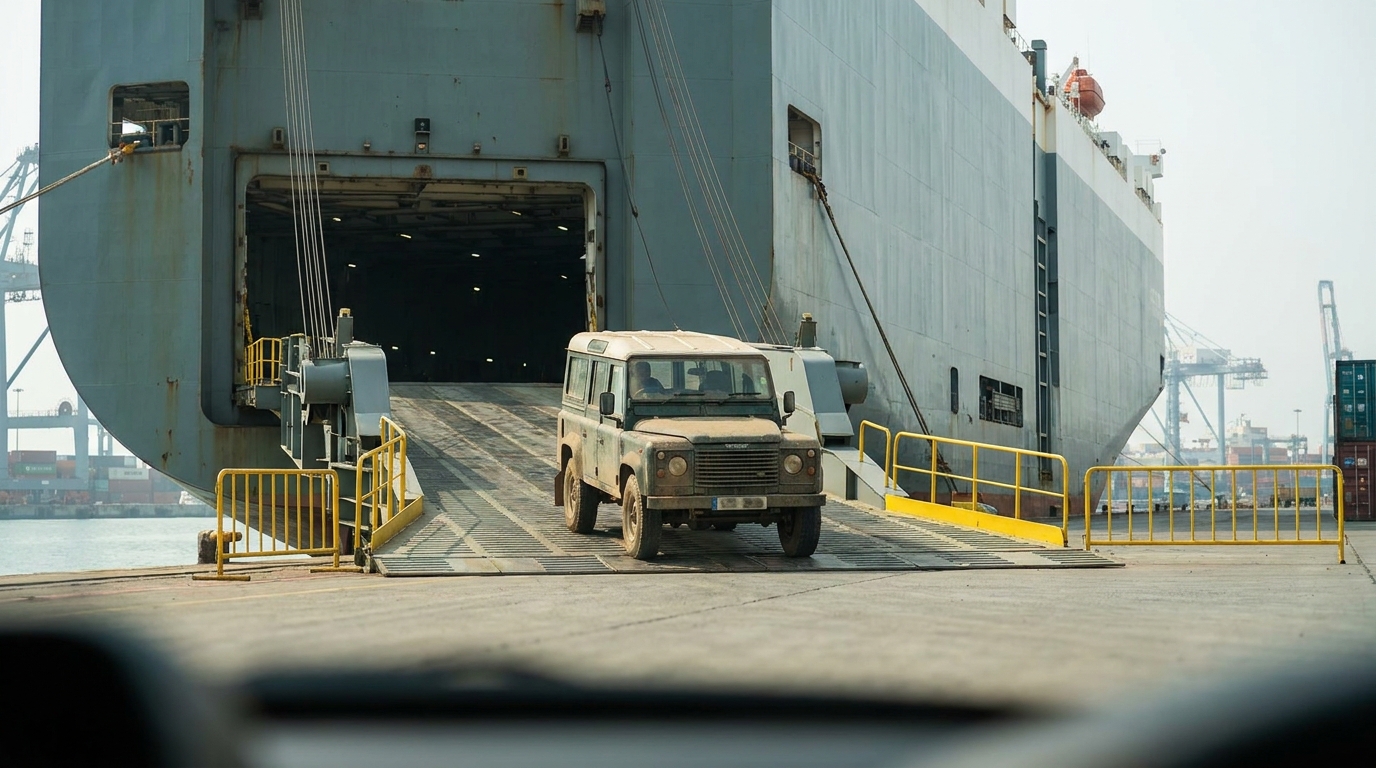
RoRo, short for roll-on/roll-off, uses a specialized ship designed to carry vehicles. Your car is driven directly onto the vessel, secured on a deck alongside many others, and driven off at the destination port. It is the more economical option and is very widely used. Because the car is driven on and off, RoRo generally requires the vehicle to be running and drivable, and you typically cannot pack personal belongings inside.
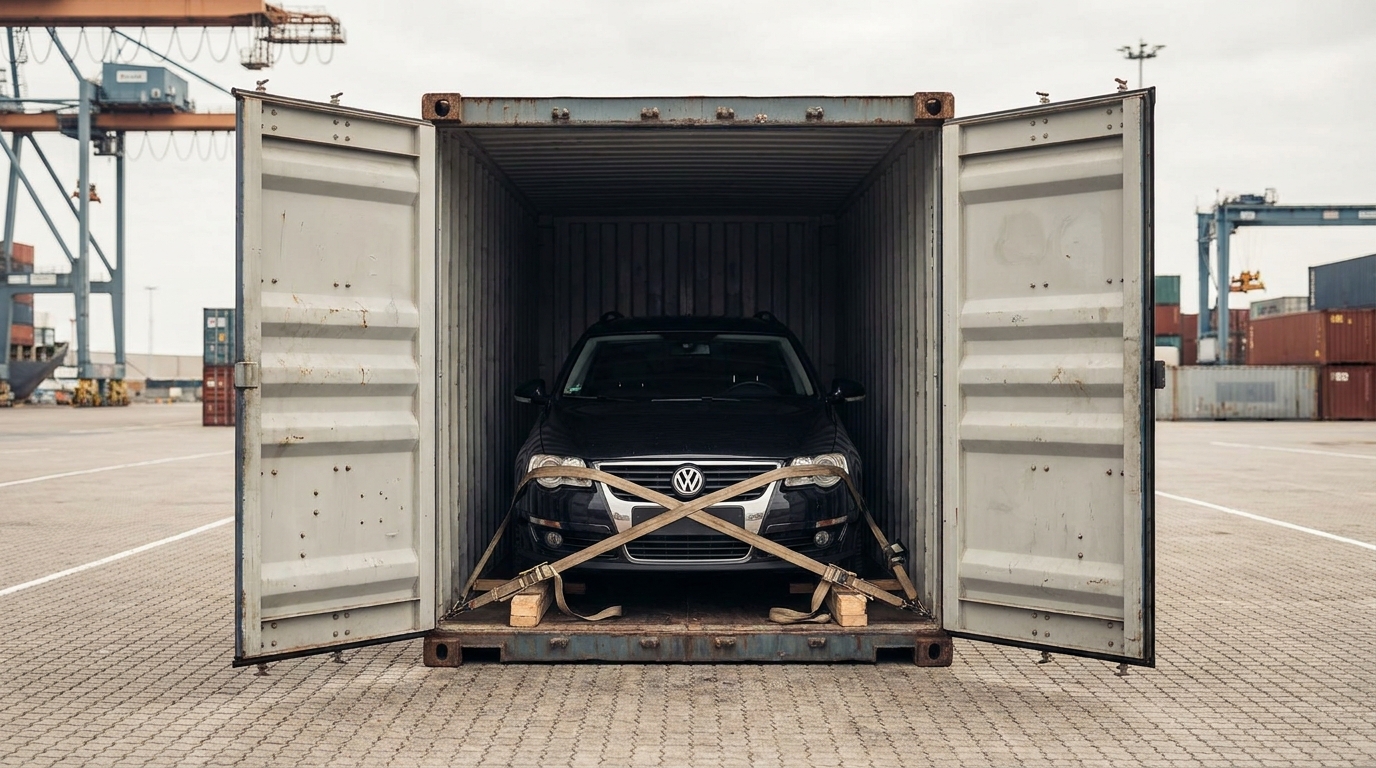
Container shipping loads your car into a shipping container, either sharing the container with other vehicles or in a dedicated container of its own. The car is secured inside and the container is sealed. It costs more than RoRo but offers more protection from weather and handling, allows a non-running car to be loaded, and in many cases permits some personal items to be shipped inside, subject to customs rules. For a valuable, classic, or exotic car, container is the usual choice, much as enclosed transport is domestically. See Open vs. Enclosed Auto Transport for the parallel logic.
Customs, duties, and paperwork
This is the part that has no domestic equivalent and where things go wrong for the unprepared. When a car crosses a border, it enters the jurisdiction of the destination country's customs authority, and every country has its own rules, taxes, and eligibility requirements.
Expect to deal with:
- Import duties and taxes, which vary enormously by country and can be a large share of the car's value.
- Eligibility and compliance rules. Many countries restrict which vehicles can be imported based on age, emissions, safety standards, and steering configuration. A car that is legal at home may not be importable at all, or may require expensive modifications.
- Documentation, typically including the title, proof of ownership, a bill of sale, the vessel's bill of lading, and various customs forms. Missing or incorrect paperwork causes delays and storage fees at the port.
- A customs broker. For most international moves, a licensed customs broker in the destination country handles clearance. This is not the same as your shipping broker, and for overseas moves it is usually essential.
Research the destination country's import rules before you commit to anything. It is entirely possible to ship a car overseas only to find it cannot be legally imported, which is an expensive lesson.
How the process flows
An overseas move has more stages than a domestic one:
- Inland transport to the origin port. The car first travels domestically to the departure port, often by standard carrier. This is the one leg that resembles a normal domestic shipment.
- Export clearance and loading. At the port, export paperwork is completed and the car is loaded onto the vessel by RoRo or in a container.
- Ocean transit. The sea voyage itself, which can take anywhere from about a week to several weeks depending on the route.
- Arrival, customs, and duties. At the destination port, the car clears customs, duties and taxes are paid, and any inspections happen.
- Inland delivery. From the destination port, the car travels to its final address, again often by local carrier.
Each handoff is a point where documentation and payment need to be right, which is why specialists earn their fee on these moves.
Prep and insurance for an ocean move
Standard pre-shipping prep applies, with ocean-specific additions:
- Clean the car and document it thoroughly. Photograph everything, because it will pass through many hands over a long journey. See How to Prepare Your Car for Shipping.
- For RoRo, empty the car completely. Personal items are generally not allowed, and the vehicle usually must be running with a modest amount of fuel.
- Confirm marine insurance. Domestic carrier cargo insurance does not cover an ocean voyage. Ask specifically about marine insurance for the sea leg and understand the coverage and the value it is based on. See Auto Transport Insurance Explained for the domestic parallel, but do not assume it carries over.
- Keep every document. Titles, bills of sale, and shipping paperwork are needed for customs and cannot be improvised at the port.
Hawaii and Alaska: domestic, but still an ocean move
Shipping to or from Hawaii or Alaska is domestic, so there are no import duties or foreign customs, but you are still crossing water, which changes things.
Hawaii is reached almost entirely by RoRo ocean service from the mainland, most commonly out of West Coast ports. The typical flow is inland transport to a mainland port, an ocean leg to the islands, and pickup or local delivery there. As with international RoRo, expect the car to need to be clean, empty of personal items, and running.
Alaska can involve ocean ferry service, especially for coastal destinations, and in some cases long-haul overland routes through Canada, which brings its own border considerations. The right method depends heavily on the specific origin and destination.
For both, plan for longer timelines than a mainland move and work with a carrier experienced on the specific route, since the port logistics are specialized.
The bottom line
International car shipping is not a bigger version of a domestic move, it is a different process with ports, ocean carriers, and customs at its center. Choose between economical RoRo and more protective container shipping based on the car's value, research the destination country's import rules before you commit since not every car can be imported, confirm marine insurance for the sea leg, and keep your paperwork airtight. Hawaii and Alaska skip the customs but keep the ocean and the specialized logistics. For any of these, a specialist who knows your exact route is worth far more than the small premium they charge.
See real prices, no phone number required
We show named broker prices side by side, labeled by where each number came from. We never ask for your contact info to show you a quote.