
Snowbird Car Shipping: The Seasonal Guide to Florida and Arizona
Every fall and spring, tens of thousands of snowbirds ship cars to and from the Sun Belt, and prices swing hard with the migration. Here is how to time it, book it, and avoid paying peak-season rates for a predictable move.
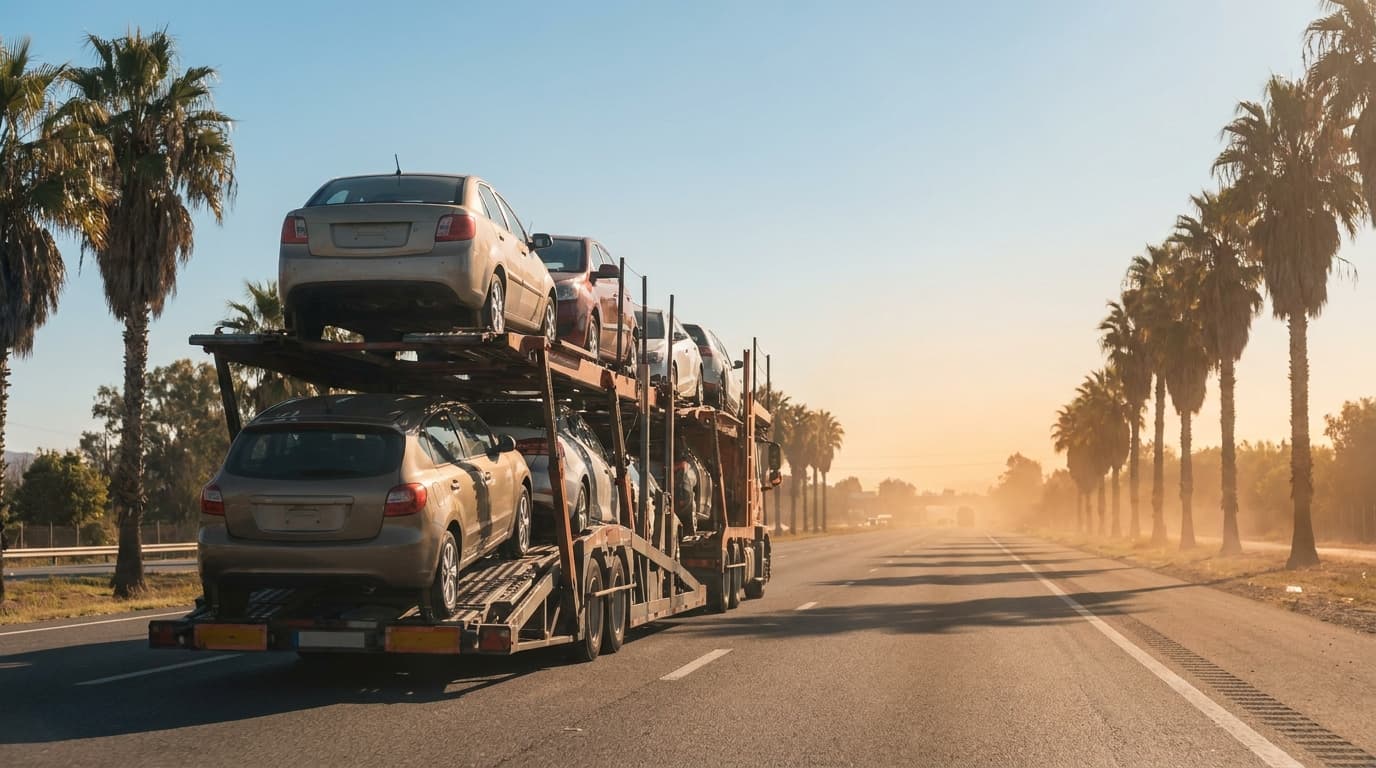
If you spend winters in Florida, Arizona, or Texas and summers up north, you are a snowbird, and you are part of one of the most predictable patterns in the entire auto transport industry. Every fall a wave of cars heads south, and every spring the same wave heads back north. Because the timing is so concentrated and so predictable, prices and availability swing hard on these routes. The good news is that a predictable pattern is one you can plan around. Here is how to ship as a snowbird without overpaying or getting stuck.
Why snowbird routes behave differently
Most car shipping demand is spread out. Snowbird demand is not. It concentrates into two short windows each year on a specific set of lanes, mainly the Northeast and Midwest to and from Florida, and the northern states to and from Arizona.
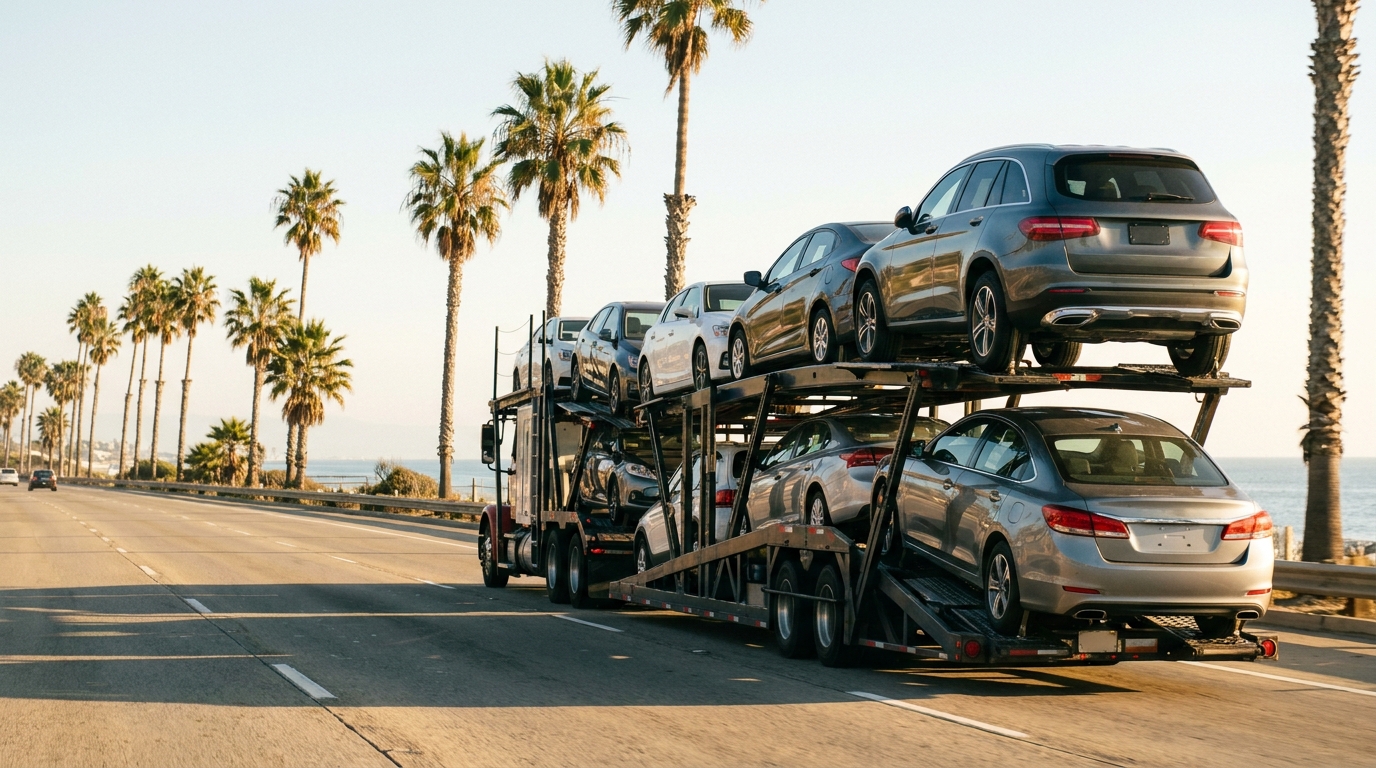
That concentration does two things. First, it drives prices up in the peak direction during the peak window, because a flood of people all want the same routes at the same time and carriers can be selective. Second, it creates a strong directional imbalance. In fall, trucks heading south are packed and command premium rates, while trucks heading north are emptier and cheaper. In spring it flips. The direction everyone is going costs more, and the direction against the flow costs less. If your schedule has any give, this imbalance is money.
The timing that saves you money
The single biggest lever is when you book relative to the crowd.
- Book well ahead of the peak. The rush south builds through the fall, and the rush north builds through the spring. Reserving several weeks before the wave crests gets you better rates and a real choice of pickup dates, instead of competing with everyone at the peak.
- Ship just before or just after the surge. If you can leave a little earlier in the fall or a little later, before the heaviest migration window, or delay slightly in the spring, you avoid the most crowded, most expensive stretch.
- Avoid booking at the last minute during the peak. This is the worst position: highest prices, tightest availability, and the least scheduling flexibility. Last-minute snowbird moves in peak season are where people pay the most.
Because the pattern repeats every year, you can plan your shipment months in advance rather than scrambling. Snowbirds who book early consistently do better than those who wait.
Expect longer pickup windows in peak season
Timing affects more than price. During the peak migration, carriers are busy and pickup windows stretch, so the gap between booking and an actual pickup can be longer than off-season. Build in a buffer and do not plan to be carless at exactly the wrong moment. See How Long Does It Take to Ship a Car for realistic timelines, and remember that peak season pushes the pickup side of that clock.
Price it right, even when it stings
Snowbird season tempts people to shop purely on price, which is exactly when the lowball trap catches the most victims. In peak season, a quote noticeably below the pack is even less likely to find a carrier, because trucks have their pick of well-priced loads and no reason to take an underpriced one. Your cheap booking sits while the migration rolls on, and eventually you get the call that the route "needs more." A realistic rate during peak is not the company gouging you, it is the market, and paying it gets your car moved. See How Much Does It Cost to Ship a Car and Broker vs. Carrier for how the trap works.
Open transport is almost always the right choice
The vast majority of snowbird cars are normal daily drivers, and for those, open transport is the sensible pick: cheaper, faster to pick up, and completely adequate for a standard car. Save enclosed transport for a genuinely valuable or collector vehicle. Note that winter road salt on northern legs is one reason some owners of nice cars choose enclosed in the cold months, but for an everyday sedan headed to the sun, open is fine. See Open vs. Enclosed Auto Transport.

A few snowbird-specific tips
- Coordinate the empty-home problem. If you are flying and shipping the car separately, arrange for someone to release it at the northern end and receive it at the southern end, or line up your own travel so you are present. Someone at least eighteen must be there at both ends.
- Prep for a car that may have sat. A car parked all season may have a weak battery or soft tires. Check it before pickup so it loads cleanly. See How to Prepare Your Car for Shipping.
- Do the same move every year? Build a relationship. Snowbirds who ship the same route annually can benefit from booking early with a company that already knows the run.
The bottom line
Snowbird shipping is the most plannable move in the business precisely because it is so predictable. The whole game is timing: book well ahead of the peak, ship just outside the heaviest window if you can, use the directional imbalance to your advantage, and price the job realistically so it actually moves during the crush. Give the pickup a buffer, choose open transport for a normal car, and treat the annual migration as the scheduled event it is. Do that and you skip the peak-season premium that catches everyone who waits until the last minute.
See real prices, no phone number required
We show named broker prices side by side, labeled by where each number came from. We never ask for your contact info to show you a quote.