
How to Ship an RV, Motorhome, or Oversized Vehicle
Shipping an RV, motorhome, boat, or lifted truck is a different game from shipping a sedan. Here is how oversized transport works, what changes the price, and how to avoid the mistakes that cost first-timers the most.
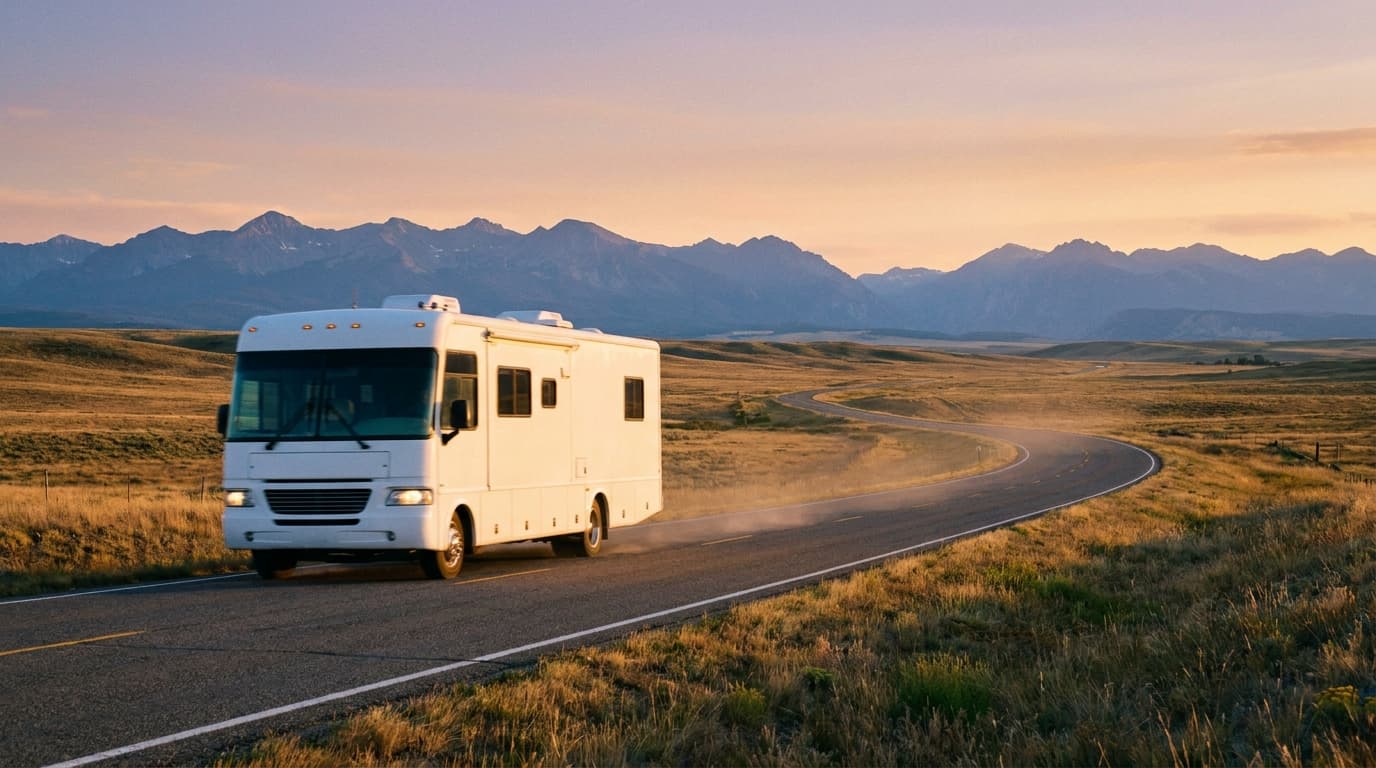
Everything you learned about shipping a car changes once the vehicle gets big. An RV, a motorhome, a lifted truck, a boat on a trailer, or a piece of equipment does not fit on a standard carrier, does not price like a sedan, and does not move on the same timeline. The good news is that oversized transport is a mature, well-understood service. You just need to know the different rules before you ask for a price. This guide covers what actually changes and how to ship big without getting burned.
First, know what you are shipping
Oversized is a broad category, and the method depends heavily on the specific vehicle. The main groups:
- Drivable motorhomes (Class A, B, and C). These have their own engine and can be driven, which opens up a delivery option cars do not have.
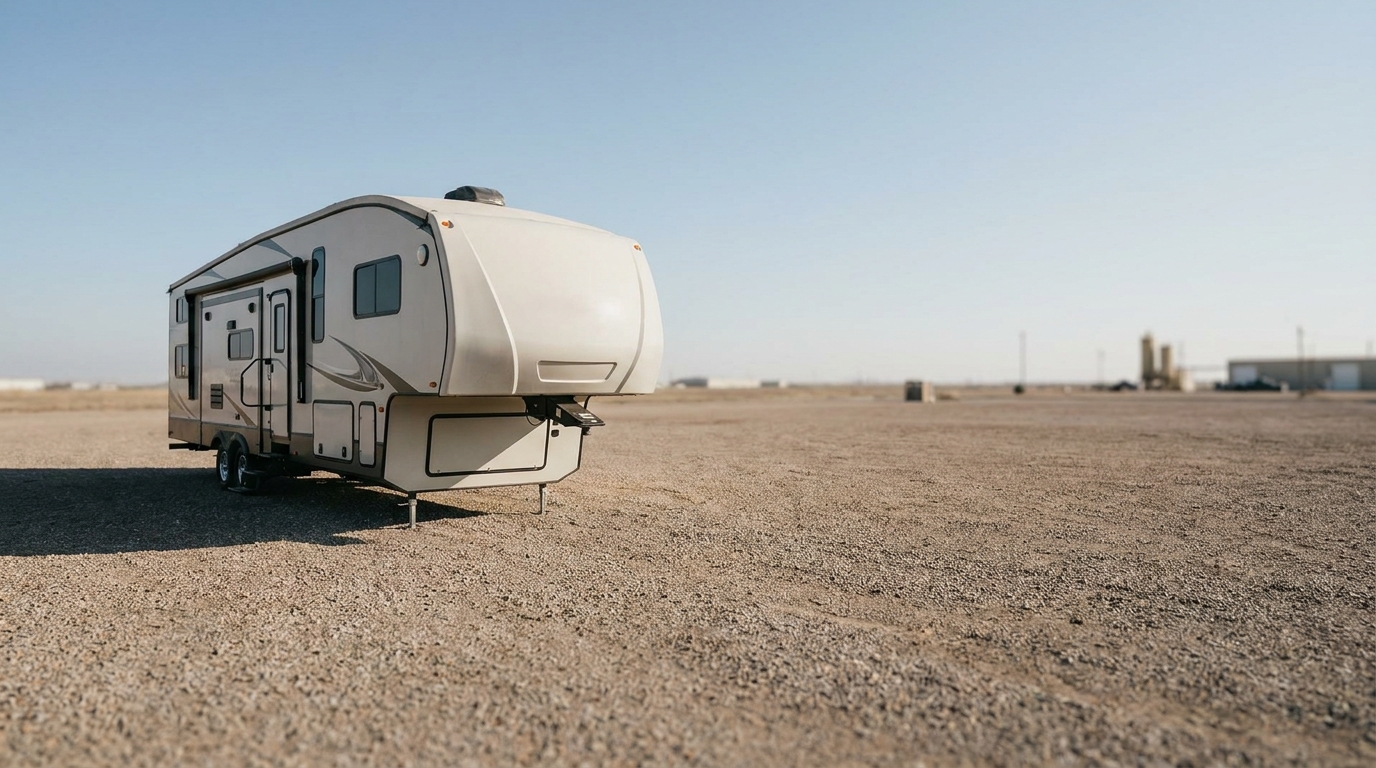
- Towable RVs (travel trailers, fifth wheels, pop-ups). No engine, so they must be towed or loaded onto a trailer.
- Oversized trucks and SUVs. Lifted, dually, or heavily modified vehicles that exceed a standard carrier slot.
- Boats, campers, and equipment. Often shipped on flatbed or specialized trailers, sometimes with the boat on its own trailer.
Each of these prices and moves differently, so the first question any honest company asks is exactly what the vehicle is, including its real dimensions and weight. If someone quotes an oversized move without asking for measurements, be skeptical.
The two ways to move it: driveaway vs. haulaway
For anything drivable, you have a choice that does not exist for a dead-weight car.
Haulaway loads the RV or vehicle onto a trailer and transports it without adding miles to its odometer. This is the standard for anything that cannot be driven, and the safe default for high-value or delicate rigs. It costs more, but nothing wears on the vehicle itself.
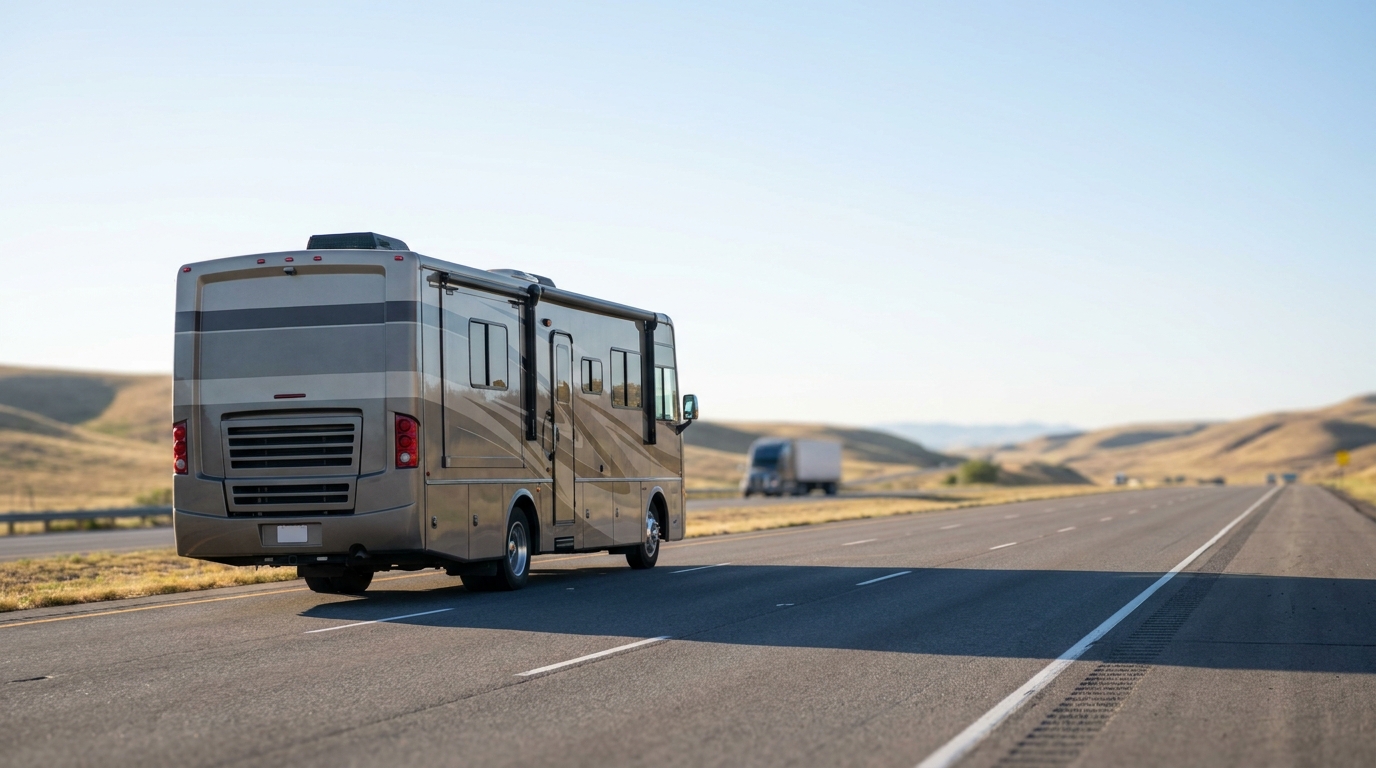
Driveaway hires a qualified driver to physically drive your motorhome to its destination. It is often cheaper for large drivable RVs, because you are not paying to haul enormous weight and bulk on a trailer, and it avoids the loading challenge entirely. The tradeoff is that it adds real miles and wear to the vehicle, and it puts your rig in a stranger's hands on the open road, so the driver's qualifications and the insurance terms matter enormously.
Which is right depends on the rig. A brand-new luxury coach you want in showroom condition leans haulaway. A used motorhome where a few hundred extra miles is immaterial may make driveaway the sensible, cheaper option. Ask for both when the vehicle is drivable.
What drives the price
Oversized pricing shares the fundamentals of car shipping, distance, route, season, but adds heavier variables that can swing the number far more.
- Dimensions, especially height and length. This is the big one. A rig over about 13 feet 6 inches tall or beyond standard length can require special routing, permits, and sometimes pilot or escort vehicles. Every foot matters.
- Weight. Heavier loads cost more to haul and can trigger weight-based permits and route restrictions.
- Permits and escorts. Genuinely oversized loads need state-by-state permits, and the widest or tallest may legally require escort vehicles or travel only during certain hours. These are real, unavoidable costs, not upsells.
- Route restrictions. Low bridges, tunnels, weight-limited roads, and mountain passes can force a longer path, which adds miles and money.
- Trailer type. Flatbed, step-deck, lowboy, or removable-gooseneck trailers each suit different heights and weights, and each carries its own rate.
Because these variables are large, oversized quotes vary more than car quotes, and a serious quote depends entirely on accurate measurements. Guessing your dimensions low to get a better number backfires at pickup when the driver measures the rig and the price, or the whole plan, has to change.
Prep is more involved than a car
An RV is a house, and it has to be secured like one before it moves. Skipping prep is where first-timers lose deposits and damage rigs. Before pickup:
- Secure everything inside. Latch cabinets, secure loose items, and pack away anything that can slide, fall, or break in transit.
- Retract and lock slide-outs, awnings, and antennas. Anything that extends must be fully retracted and secured.
- Disconnect and secure the propane. Turn off and, per the carrier's instructions, disconnect propane tanks.
- Drain the water systems. Empty fresh, gray, and black tanks and the water heater to cut weight and prevent leaks or freezing.
- Handle the batteries and power. Disconnect or secure batteries as directed, and make sure nothing is left drawing power.
- Document the condition thoroughly. Photograph the exterior, the roof, the tires, and the interior in good light, and go over the condition report with the driver in detail. On a large rig there is simply more surface to inspect and more to lose, so this step matters even more than it does on a car.
Insurance is a bigger deal here
The value at stake on an RV is often far higher than a car, so do not treat insurance as a formality. Confirm the carrier's cargo coverage and, critically, that the coverage amount actually reflects your rig's value. A policy sized for a $30,000 sedan does not protect a $200,000 coach. For driveaway service, understand exactly who insures the vehicle while it is being driven and what happens in an at-fault accident. Get the coverage details in writing before anyone moves your property.
Timing and lead time
Oversized capacity is thinner than standard car capacity, because the specialized trailers and qualified drivers are fewer. Book with more lead time than you would for a car, especially in peak season and around the snowbird migrations, when large RVs flood the north-south routes to and from the Sun Belt. A rushed oversized booking either fails to find a truck or pays a steep premium to jump the line, so plan ahead.
Red flags specific to oversized moves
- A price quoted without asking for accurate dimensions and weight. It is not a real quote.
- No mention of permits or escorts on a rig you know is genuinely oversized. Those requirements do not disappear because a salesperson ignored them.
- Vague or missing insurance details, especially given the values involved.
- Pressure to skip prep steps to make a pickup window. A rushed, unprepared rig is how damage happens.
- For driveaway, no clear information about the driver's qualifications or the insurance in force while driving.
The bottom line
Shipping something big is not harder than shipping a car, it is just less forgiving of guesswork. Measure the rig accurately, decide honestly between haulaway and driveaway if it is drivable, prep it like the home it is, and confirm that insurance actually covers what your vehicle is worth. Give the move real lead time and insist that any quote is built on true dimensions. Do that, and an RV or oversized transport goes as smoothly as any car move, with a lot more at stake handled correctly the first time.
See real prices, no phone number required
We show named broker prices side by side, labeled by where each number came from. We never ask for your contact info to show you a quote.