
The Best Time of Year to Ship a Car
Car shipping prices rise and fall with the seasons in ways you can plan around. Here is how summer, winter, and the shoulder seasons affect price and speed, and how to time your move to save money.
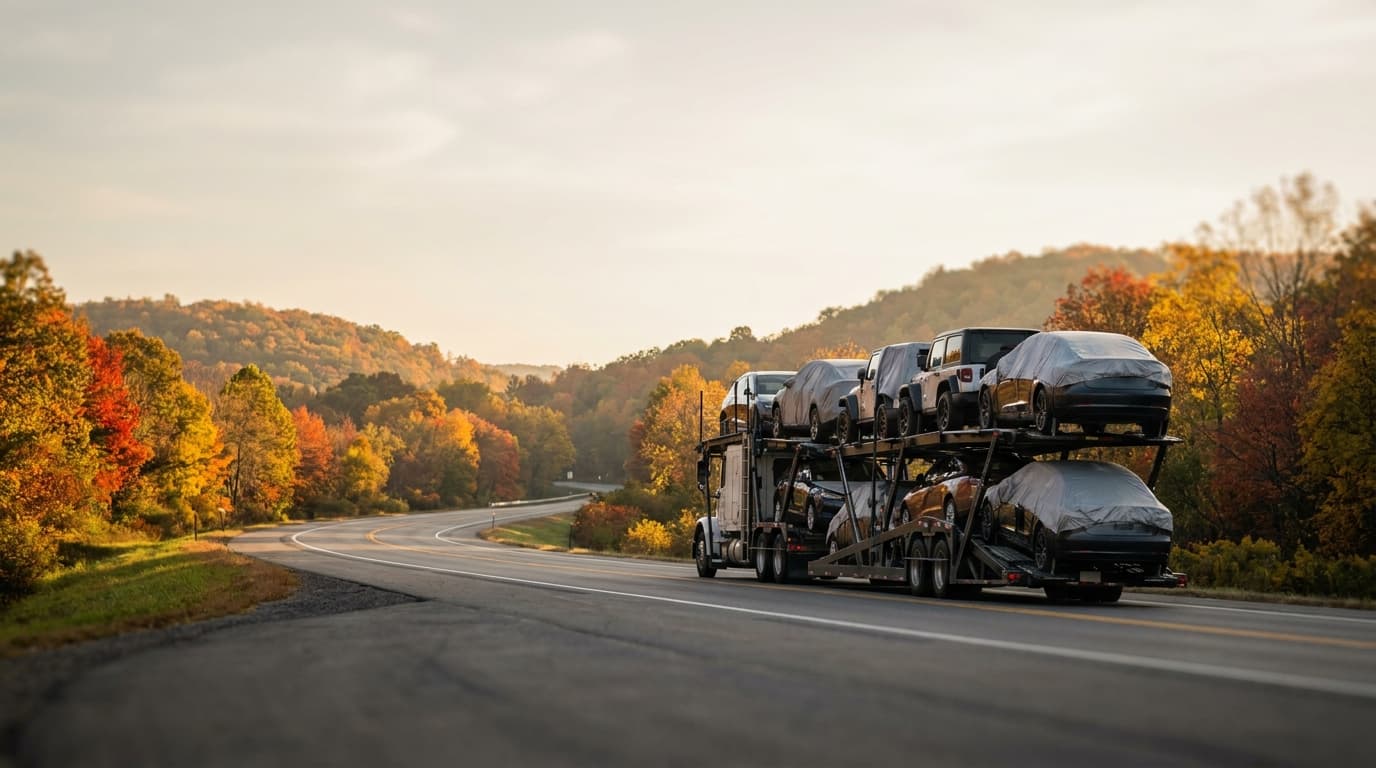
Auto transport is a seasonal business, and the season you ship in can move your price by real money and change how quickly a carrier picks your car up. None of it is random. It follows demand, weather, and a few large annual migrations that repeat every year. If your move has any flexibility in timing, understanding these rhythms is one of the easiest ways to save. Here is how the calendar affects car shipping and how to use it.
Summer: busiest and priciest
Summer, roughly June through August, is the peak season for the whole industry. Families move while kids are out of school, job relocations cluster, college students come and go, and the general moving season runs hot. All that demand competes for the same carriers, which pushes prices up and stretches pickup windows.
If you must ship in summer, book early. Reserving well ahead of your date gets you better rates and a real choice of pickup windows instead of scrambling for a truck at peak demand. Waiting until the last minute in July is close to the worst position you can be in: highest prices, tightest availability.
Winter: cheaper on most lanes, but with caveats
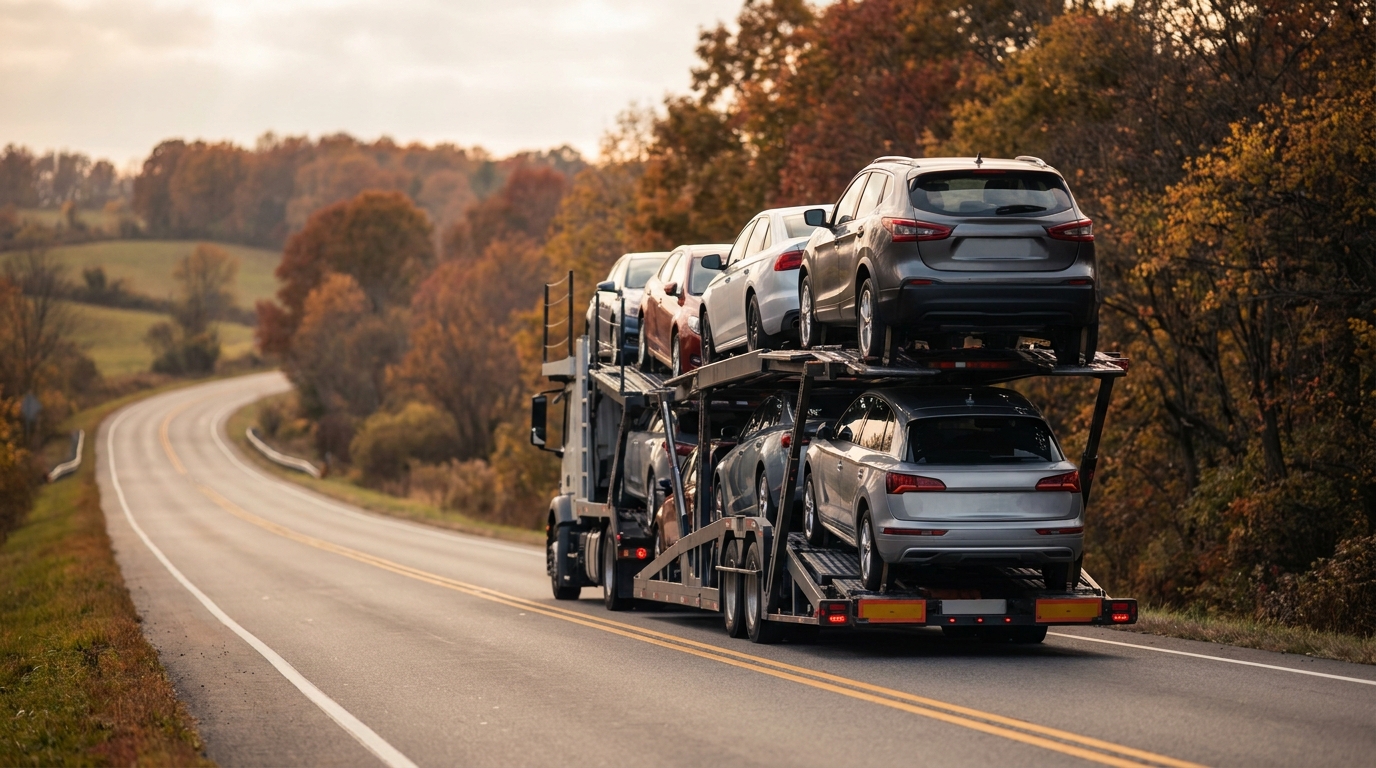
Winter, roughly December through February, generally softens demand on most routes, which can mean lower prices and, sometimes, faster pickups. But there are two real caveats.
First, weather. Snowstorms, ice, and mountain passes cause delays that are nobody's fault, so winter timelines are less predictable, especially on northern and cross-country routes. Build in a buffer.
Second, the snowbird exception. The routes into the Sun Belt, to Florida, Arizona, and Texas, run the opposite way in winter. Demand and prices on those southbound lanes climb as retirees head south, even while the rest of the country is quiet. If your route is one of those, winter is peak, not off-peak. We cover that pattern in Snowbird Car Shipping.
Winter is also when owners of valuable cars more often choose enclosed transport, to keep road salt and harsh weather off a nice vehicle. See Open vs. Enclosed Auto Transport.
Spring and fall: the shoulder-season sweet spot
The shoulder seasons, spring and fall, are often the best all-around time to ship. Demand is more moderate than summer, weather is generally milder than winter, and prices and pickup times tend to sit in a comfortable middle. If you have the flexibility to choose, aiming for late spring or early fall, outside the summer peak and the winter weather, frequently gives you the best combination of price, speed, and predictability.
The one thing to watch is the snowbird migration, which surges south in the fall and north in the spring. If your route overlaps those lanes in the peak direction, the shoulder-season advantage shrinks. Away from those specific routes, spring and fall are the quiet sweet spot.
The other timing levers, beyond the season
Season is the big one, but a few smaller timing choices also move your price and speed:
- Flexible dates beat fixed dates. A wide pickup window, such as "any day next week," attracts more carriers and costs less than a rigid "must be Tuesday," which forces the price up to make a driver reshuffle for you. Flexibility is worth cash in any season.
- Book with lead time. Reserving ahead, rather than needing a truck tomorrow, gets better rates regardless of the month. Last-minute moves pay a premium.
- Month boundaries and holidays. The end of the month and major holidays can see localized demand bumps, particularly around relocations. It is a minor effect next to the seasonal pattern, but worth knowing.
Do not let season override honest pricing
One caution: seasonal savings do not change the fundamental rule that a too-cheap quote is a trap. Even in a quiet winter, a price far below the market for your route will sit unclaimed on the load board while realistically priced jobs move. Season affects the honest market rate, it does not make an unrealistic lowball suddenly viable. Aim for the honest rate for the season you are shipping in, not the lowest number on the page. See How Much Does It Cost to Ship a Car and How to Avoid Car Shipping Scams.
Putting it together
- Most flexible and best all-around: late spring or early fall, away from snowbird lanes.
- Cheapest on many routes but weather-risky: winter, except on southbound Sun Belt lanes where it is peak.
- Most expensive and busiest: summer, so book early if you must ship then.
- Always: flexible dates and lead time help in any season.
The bottom line
The calendar is a lever you can pull. Summer is the busy, expensive peak, winter is cheaper on most lanes but weather-prone and reversed for snowbird routes, and the spring and fall shoulder seasons are usually the sweet spot for price, speed, and predictability. Layer on flexible dates and a bit of lead time and you capture the seasonal savings without gambling on the lowball trap. If you can choose when to ship, choosing well is money in your pocket.
See real prices, no phone number required
We show named broker prices side by side, labeled by where each number came from. We never ask for your contact info to show you a quote.