
Shipping Your Car During a Move or Relocation
When you relocate across the country, the car is one more thing to move. Here is how to fit car shipping into a household move, coordinate it with the movers and your travel, and time it so you are never stranded.
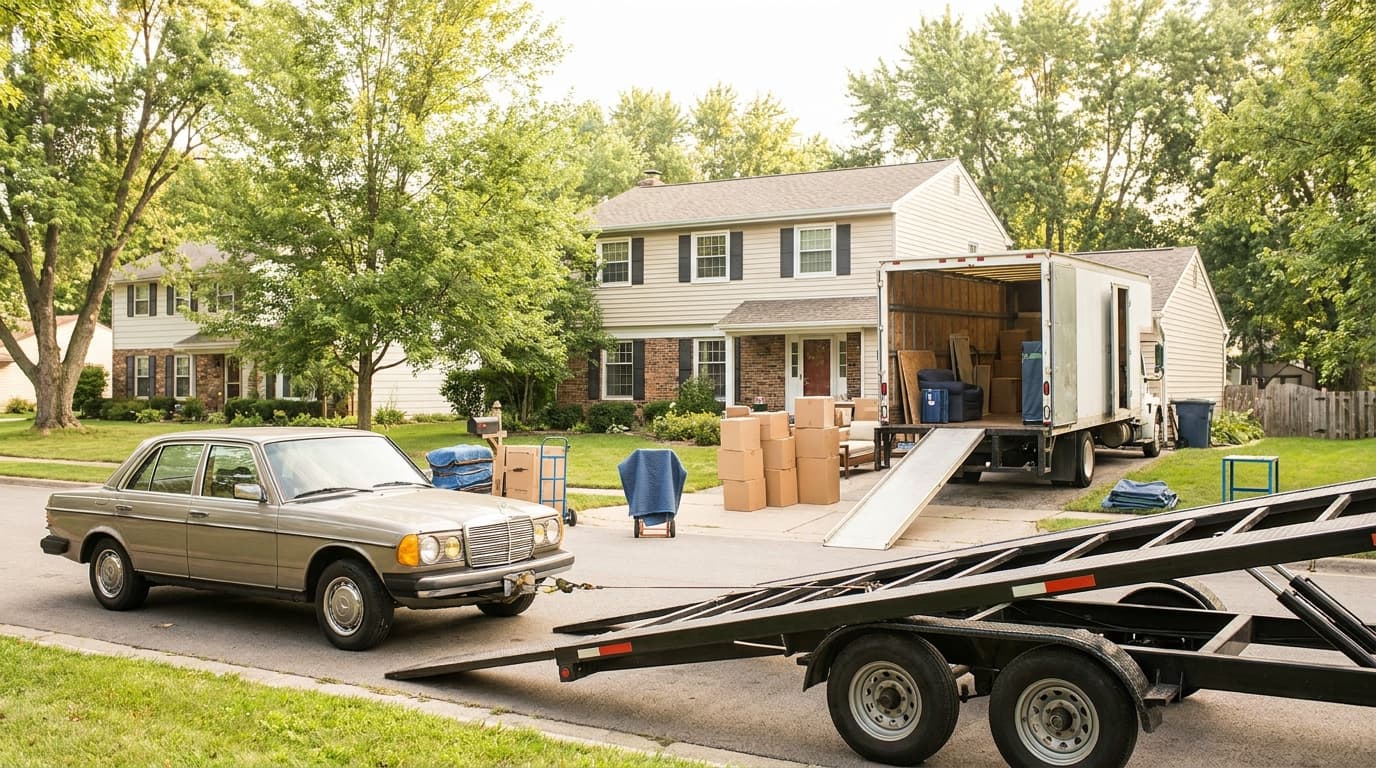
A long-distance relocation is already a juggling act of movers, dates, flights, and a hundred logistics. The car is one more piece, and for many people driving it across the country in the middle of a move is the last thing they have time or energy for. Shipping the car frees you to fly, keeps the miles and wear off your vehicle, and removes a stressful solo drive from an already stressful week. The trick is fitting the shipment cleanly into the rest of the move so you are never stranded without a car at the wrong moment. Here is how.
Decide: ship it or drive it
Start with the honest comparison. Driving the car yourself during a relocation means fuel, several nights of hotels, meals, days of your time, and hundreds or thousands of miles of wear, all during a period when your time is already stretched thin. Shipping means you can fly to the new city and let the car follow.
For most cross-country relocations, shipping comes out ahead once you count the full cost of driving and the value of your time. It is especially compelling if you have more than one car, since one person cannot drive two vehicles. We lay out the long-haul economics in Cross-Country Car Shipping.
Coordinate the timing so you are never carless
This is the heart of a relocation shipment: sequencing it so you always have transportation when you need it. A few common approaches:
- Ship the car a few days before you fly out, so it is already in transit or arriving as you land, and use a rental or other transport in the gap.
- Ship it as you leave and plan for a short window at the new place before it arrives, covered by a rental or rideshare.
- Keep one car to drive and ship the other, if you have two vehicles and one driver making the trip.
The key is to map the days you will be without your own car and have a plan for them, rather than assuming the shipment will line up perfectly with your arrival. Remember that pickup happens within a window, not at an exact hour, and transit takes days, so build in a buffer. See How Long Does It Take to Ship a Car.
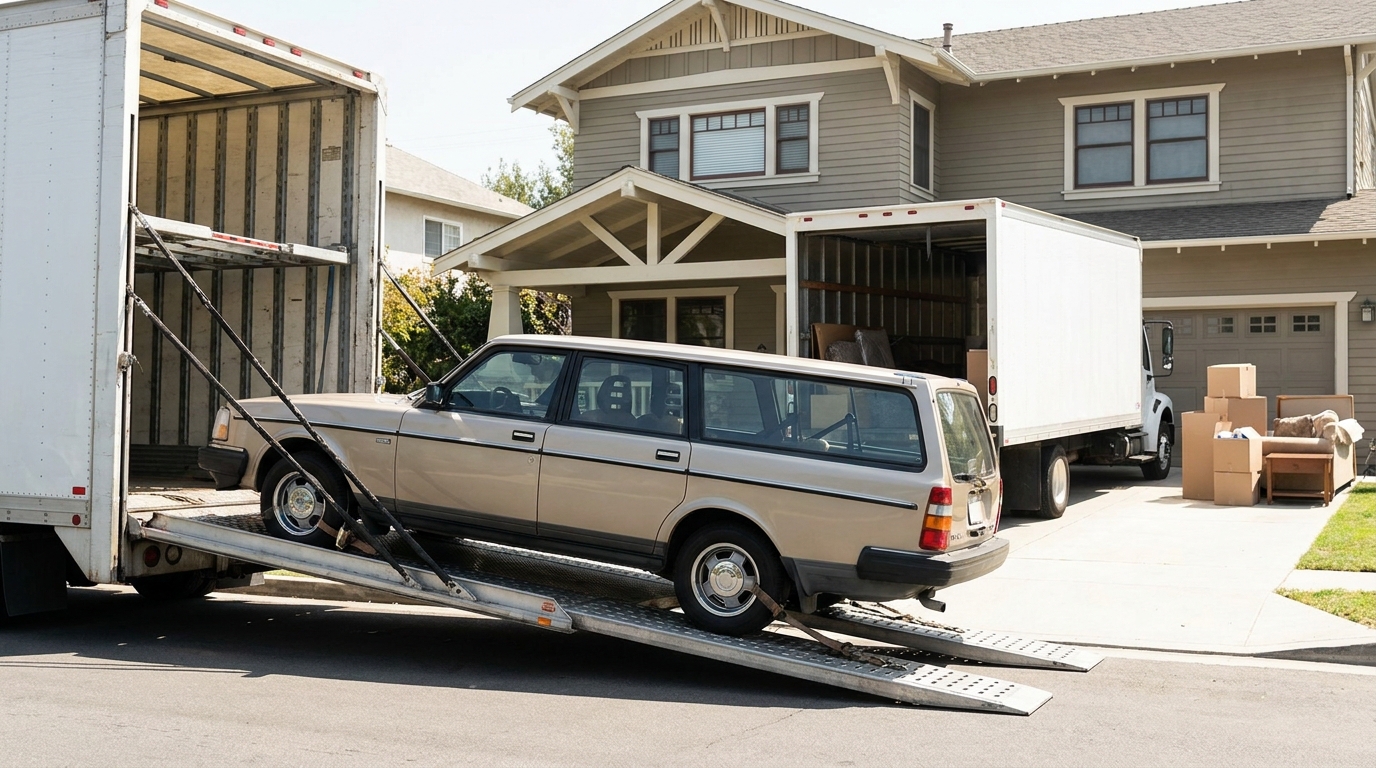
Do not pack the car full of belongings
It is tempting to treat the car as extra moving capacity and stuff it with boxes. Resist this. Personal items inside the car are not covered by the carrier's cargo insurance, they add weight that can matter against federal limits, and loose items shift and can damage the interior in transit. Move your belongings through your household movers or a separate shipment, and send the car empty. Some carriers allow a small amount in the trunk, but confirm it rather than assuming. See How to Prepare Your Car for Shipping.
Book early, especially in summer
Relocations cluster in summer, which is also the busiest season for auto transport overall, so a summer move means competing for carriers with everyone else. Book the car shipment as early as you can lock in your dates, rather than adding it to the last-minute pile. Early booking gets you a better rate and a real choice of pickup windows, which makes the whole sequencing problem easier to solve. See Best Time of Year to Ship a Car.
Handle the two-address problem
A relocation means coordinating pickup at the old place and delivery at the new one, often with you in transit between them. Nail down:
- Who is present at each end. Someone at least eighteen must release the car at pickup and receive it at delivery and sign the paperwork. If your schedule is tight, arrange a trusted person to cover an end you cannot.
- The exact addresses and access. A big carrier may not reach a tight street at either end, so plan a nearby accessible meeting spot if needed. See Door-to-Door vs. Terminal-to-Terminal.
- Payment terms in writing, since many moves collect a balance at delivery.
- The condition inspection at both ends, with your own photos, so a clean delivery signature never waives a legitimate claim. See Understanding the Bill of Lading.

A note on job relocations
If your move is an employer-sponsored relocation, check whether your relocation package or benefits cover vehicle shipping, since many do. If so, coordinate with your relocation coordinator on how to book and get reimbursed, and keep all receipts and paperwork. Even when the employer arranges it, the same logistics apply: sequence it around your travel, ship the car empty, and document its condition. For military moves, the rules are different and specific, see Military PCS Vehicle Shipping.
The bottom line
During a relocation, shipping the car removes a hard, time-consuming drive from an already overloaded week and lets you fly to your new home. The whole game is sequencing: ship it timed around your flights and movers so you always have a way to get around, keep the car empty rather than using it as a moving box, book early especially in summer, and lock down who handles each end. Do that and the car quietly takes care of itself while you handle everything else the move throws at you.
See real prices, no phone number required
We show named broker prices side by side, labeled by where each number came from. We never ask for your contact info to show you a quote.