
How Car Shipping Payment Works: Deposits, Timing, and Methods
When do you actually pay, how much up front, and what is refundable? Here is how car shipping payment normally works, the deposit structures to expect, and the payment red flags that signal a scam.
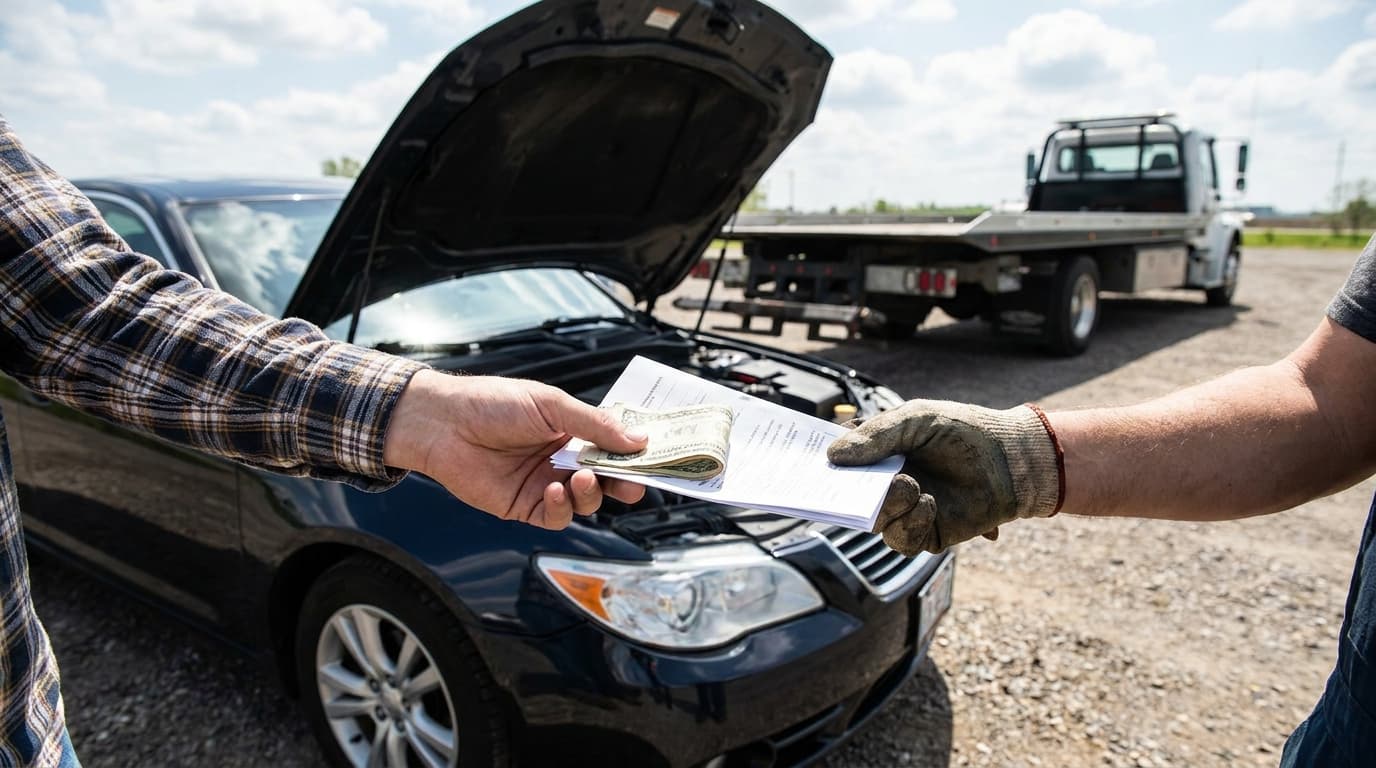
One of the most confusing parts of a first car shipment is the money: when do you pay, how much up front, cash or card, and what happens to your deposit if things fall through. The confusion is also where a lot of scams operate, because a shady company counts on you not knowing what normal looks like. Once you understand the standard payment structure, both the process and the warning signs become obvious. Here is how car shipping payment usually works.
The standard structure: a little now, the rest at delivery
Most brokered car shipments follow a common pattern. You pay a partial deposit when a carrier is assigned to your job, and the remaining balance at delivery, often directly to the driver. The exact split varies by company, but the shape is consistent: not much up front, most of it when the car actually arrives.
The logic makes sense once you see it. The deposit reflects that a carrier has committed to the job, and holding the balance until delivery gives you leverage, since the company is motivated to complete the move to get paid. A structure that front-loads all the money removes that leverage, which is exactly why it is a warning sign.
When money should change hands
Timing is the most important detail, so get it clear. In a healthy structure:
- Nothing or very little is charged until a carrier is actually assigned to your job. Before that, the company has not delivered anything, so a large charge is premature.
- The deposit is collected at or after carrier assignment, confirming the booking is real.
- The balance is paid at delivery, once you have inspected the car.
Be cautious of any company demanding a large payment immediately at booking, before any carrier has accepted the job. That is the structure most associated with deposit scams and bait-and-switch operations. See How to Avoid Car Shipping Scams.
Payment methods, and why delivery is often cash
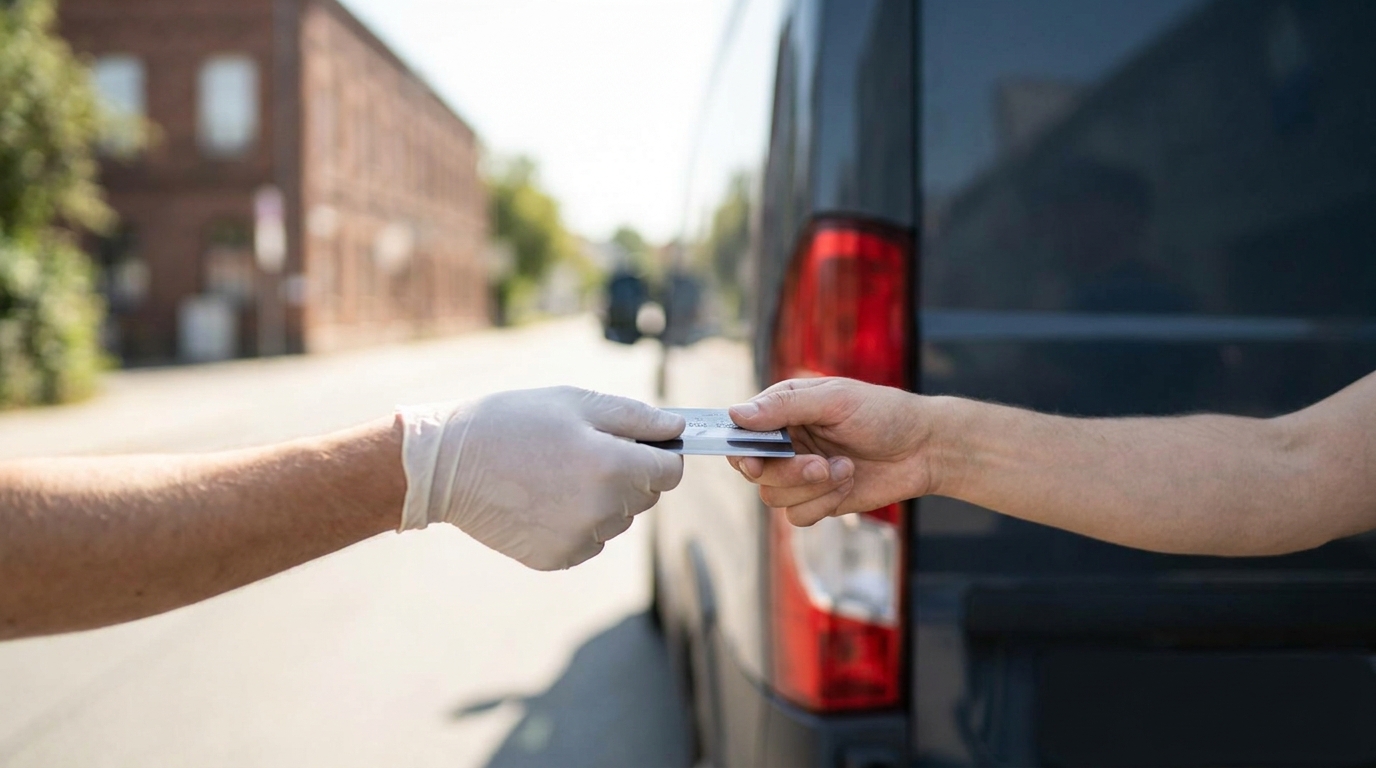
Deposits are commonly paid by credit or debit card, which is good for you because a card gives you a dispute mechanism if something goes wrong. The delivery balance, though, is frequently paid in cash or certified funds directly to the driver, and this surprises first-timers.
There is a practical reason. The driver is often an independent carrier, and cash or a certified payment settles the transaction on the spot without waiting on processing. It is normal, not a red flag by itself. What matters is that you know the exact amount and the accepted form of payment in advance, in writing, so you are not caught needing cash you do not have when the truck arrives. Confirm the delivery payment method and amount when you book.
Understand the deposit and refund terms
Before you pay anything, know the answers to these:
- How much is the deposit, and when is it charged? At assignment is normal, immediately at booking is a caution.
- Is the deposit refundable, and under what conditions? A reasonable company refunds it if they cannot find a carrier, or if you cancel before assignment within their stated terms.
- What is the cancellation policy? Know the fee, if any, and the window for canceling without penalty.
- What is the total price, itemized? The quote should be a clear, all-in number, not a low headline figure with fees revealed later. See How to Read a Car Shipping Quote.
Get these in writing. A company that is vague about deposits and refunds is telling you something.

Payment red flags
Certain payment demands are strong scam signals. Be very wary of:
- A large nonrefundable deposit demanded up front, before a carrier is assigned.
- Pressure to pay immediately to "lock in" a price, especially a suspiciously low one.
- Requests for hard-to-trace payment, like wire transfers, gift cards, or payment apps to a personal account, for the deposit. These are favored by scammers precisely because they are hard to reverse.
- A price that jumps after booking, then a demand for more money to actually move the car. That is the bait and switch. See How Much Does It Cost to Ship a Car for why the lowball works.
Legitimate companies take normal, traceable payments and do not need to rush you.
Protect yourself
A few habits keep your money safe. Pay the deposit with a credit card when you can, so you have recourse. Keep every quote, the contract, and all communication. Do not pay the delivery balance until you have inspected the car, because payment and the delivery inspection go together, and a clean signature can waive a claim. And never let urgency push you into a payment method or a large upfront sum you are not comfortable with. See Understanding the Bill of Lading.
The bottom line
Normal car shipping payment is simple: a modest deposit when a carrier is assigned, the balance at delivery, often in cash to the driver, with clear refund and cancellation terms you got in writing. The scams almost all involve breaking that pattern, usually a big nonrefundable deposit demanded up front or a price that climbs after you have committed. Know the standard structure, pay the deposit by card, confirm the delivery amount and method ahead of time, and refuse to be rushed. Get the money part right and the rest of the shipment is far less stressful.
See real prices, no phone number required
We show named broker prices side by side, labeled by where each number came from. We never ask for your contact info to show you a quote.