
Shipping a Lifted or Modified Truck
Lifted trucks, duallies, and heavily modified vehicles do not fit the standard carrier slot, which changes the price and the plan. Here is how to ship an oversized or modified truck without a surprise at pickup.
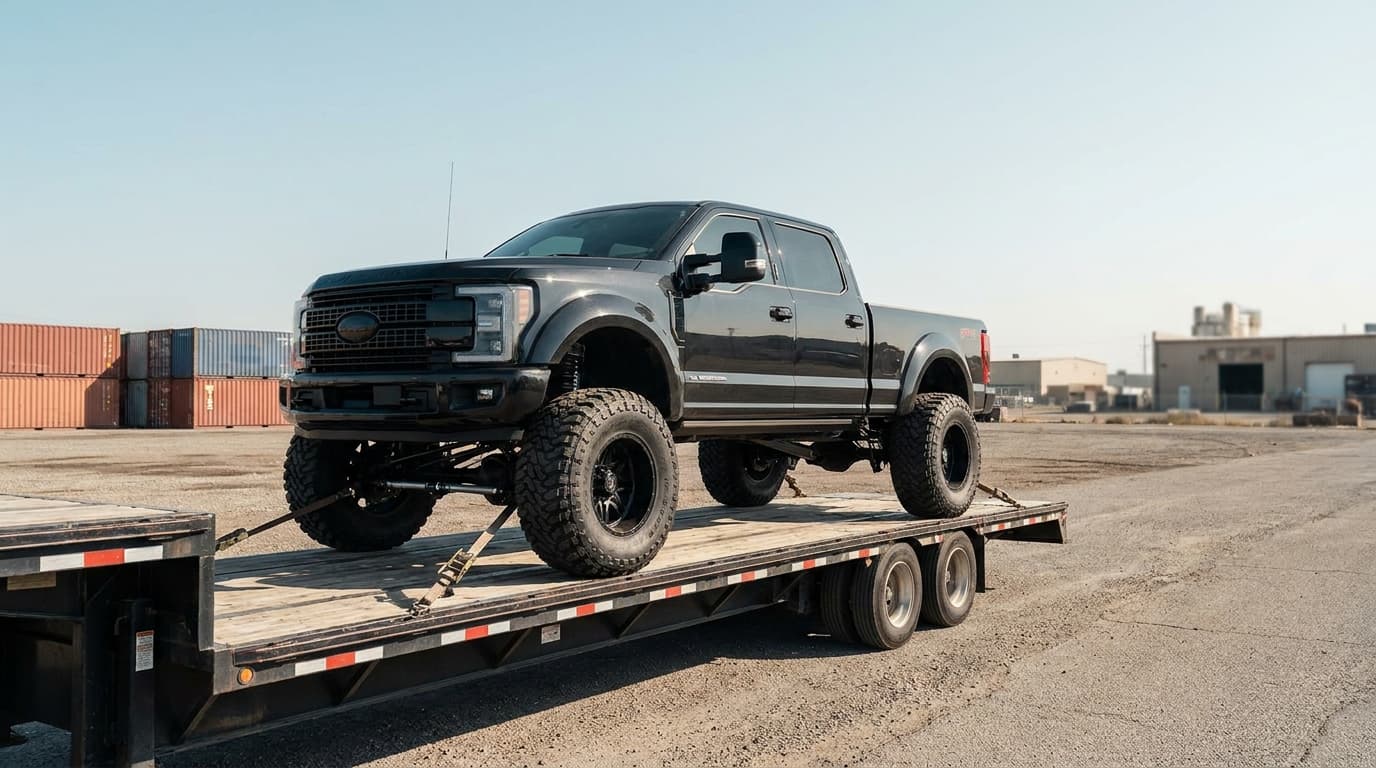
A stock pickup ships like any car. A lifted truck, a dually, or a heavily modified rig does not, because it no longer fits the dimensions a standard carrier slot assumes. Extra height, width, weight, and length all change how the vehicle loads, how many can fit on a trailer, and what it costs. The single biggest mistake owners make is quoting the truck as if it were stock and then getting a surprise, or a failed pickup, when the driver measures it. Here is how to ship a modified truck the right way, starting with honest measurements.
Measurements are everything
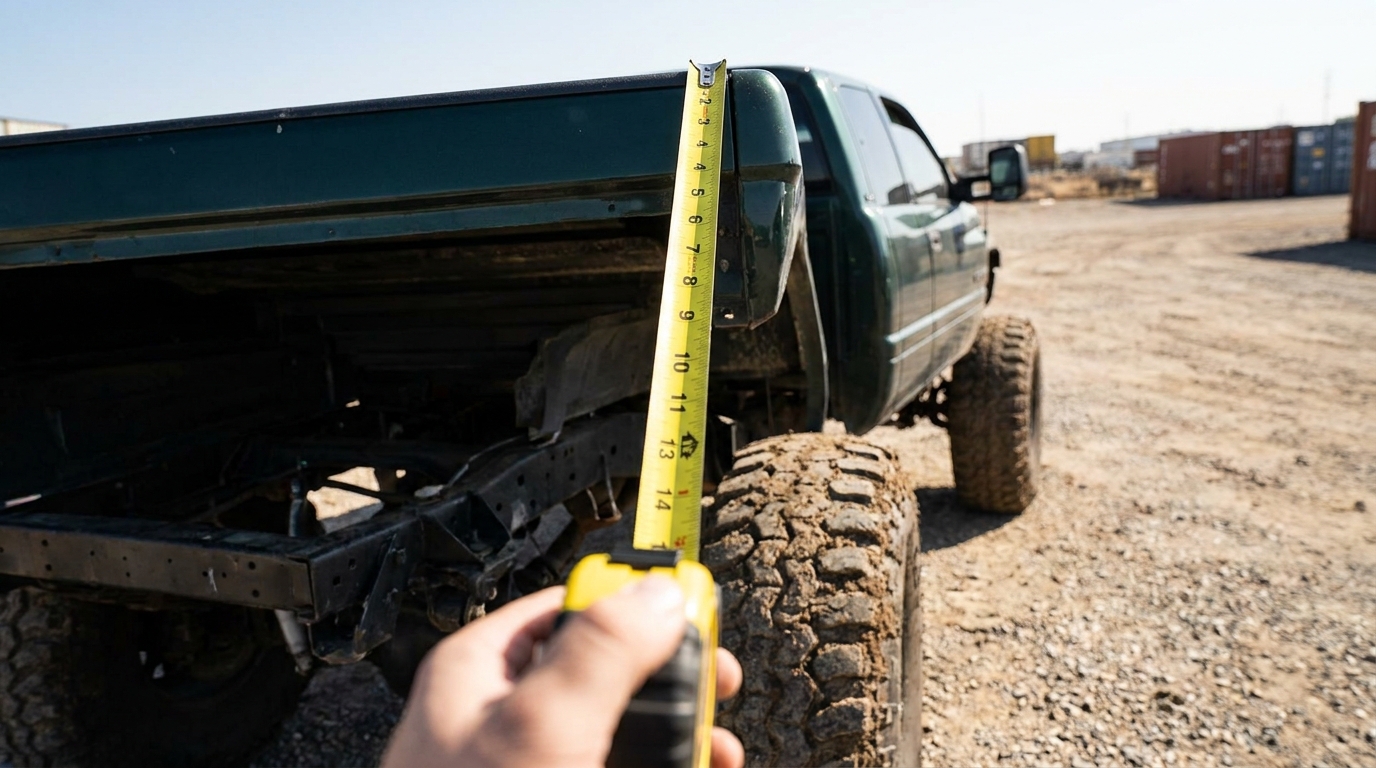
Everything about shipping a modified truck flows from its actual dimensions and weight, so measure before you request a quote. A carrier prices and plans around:
- Height. This is the big one. A lift kit, oversized tires, a roof rack, or a light bar can push a truck well above a stock profile, which affects where it can sit on a trailer and whether it clears bridges and the trailer's own upper deck.
- Width. Dually rear axles, wide fender flares, and mirrors add width that matters for fit and legal limits.
- Length. Extended bumpers, a long bed, tire carriers, or a hitch-mounted accessory add length.
- Weight. Lifts, heavy bumpers, winches, armor, and big tires add real weight, which matters against trailer and legal limits.
Give the carrier the true measured numbers, not the factory spec. Guessing low to get a better quote backfires at pickup, when the driver measures the truck and the price, or the whole plan, has to change. See the general oversized picture in How to Ship an RV or Oversized Vehicle.
Why it costs more
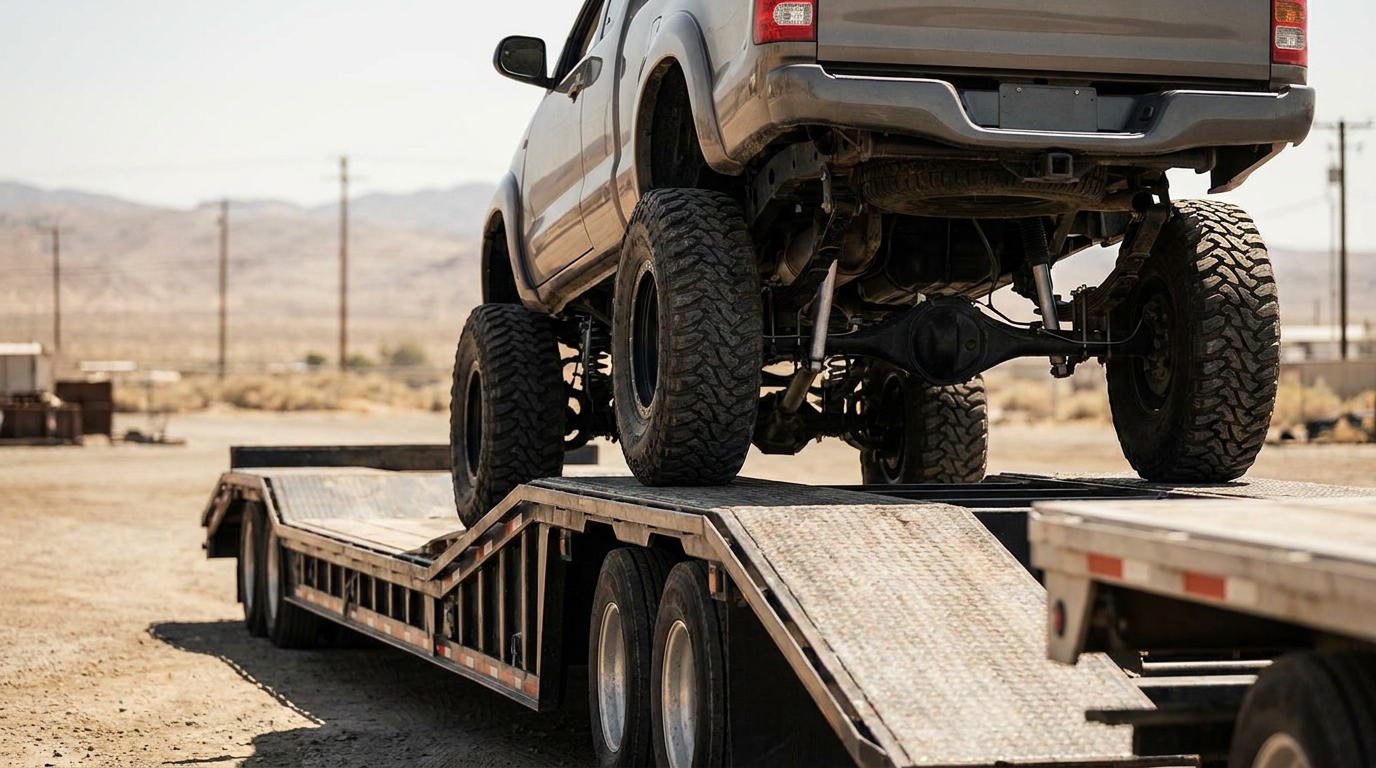
A modified truck costs more to ship than a stock one for straightforward reasons. It takes up more space on the trailer, so a carrier fits fewer vehicles and has to charge more per slot. The extra weight counts against strict federal limits, so a heavy truck eats into the trailer's weight budget. And a genuinely oversized truck may need a specific trailer type or placement, or occasionally special handling. Expect a price above the stock-vehicle rate, scaling with how far outside standard dimensions the truck sits. Treat any figure as a planning estimate, and see How Much Does It Cost to Ship a Car for the underlying factors.
Trailer type and placement
How your truck ships depends on its size. A mildly lifted truck may go on a standard open carrier, often on the top deck or in an end position where its height clears everything. A larger or heavier rig might need a specific spot, a flatbed or step-deck style trailer, or its own arrangement. A carrier experienced with trucks will know how to place yours. The point is that this is a planning question the carrier answers with your real measurements, which is one more reason those numbers have to be accurate.
Disclose every modification
Beyond dimensions, tell the carrier about the specific modifications, because they affect loading and handling:
- Suspension and ride height changes, which affect how the truck sits and loads.
- Oversized or off-road tires, which change height and how the truck is secured.
- Aftermarket bumpers, winches, and armor, which add weight and length.
- Low or delicate components on a lowered truck, which may need liftgate loading and soft straps to avoid scraping, the same care a low car needs.
- Anything removable or fragile, like a light bar, antenna, or bed accessories.
A carrier who knows exactly what is on the truck brings the right equipment and plan. A carrier surprised at the curb may not be able to load it.
Prep and documentation
Standard prep applies, with extra attention to the modifications. Wash and photograph the truck thoroughly, including close-ups of the tires, suspension, and any aftermarket parts, so existing condition is documented. Secure or remove loose accessories, keep fuel low, disable the alarm, and provide a working key. Because a modified truck has more custom surface area to inspect, be especially thorough with the condition report on the Bill of Lading at both ends, and inspect against your photos before signing at delivery. See How to Prepare Your Car for Shipping and Understanding the Bill of Lading.
Also confirm the carrier's cargo insurance covers the truck's full value, including the modifications, which can add substantial cost beyond the base vehicle. A stock-truck coverage amount may not reflect a heavily built rig. See Auto Transport Insurance Explained.
The bottom line
Shipping a lifted or modified truck is routine as long as you treat it as the oversized vehicle it has become. Measure the real height, width, length, and weight and give the carrier honest numbers, disclose every modification so they bring the right trailer and equipment, and expect a price above the stock rate because the truck takes more space and weight. Document the truck and its mods thoroughly, confirm insurance that covers the build, and never quote it as stock to save a few dollars. Do that and your truck ships without the pickup-day surprise that catches owners who rounded down.
See real prices, no phone number required
We show named broker prices side by side, labeled by where each number came from. We never ask for your contact info to show you a quote.