
Should You Ship Your Car or Drive It? An Honest Comparison
For a long-distance move, is it better to ship the car or just drive it? Here is a straight cost-and-time comparison, including the hidden expenses of driving that people forget to count.
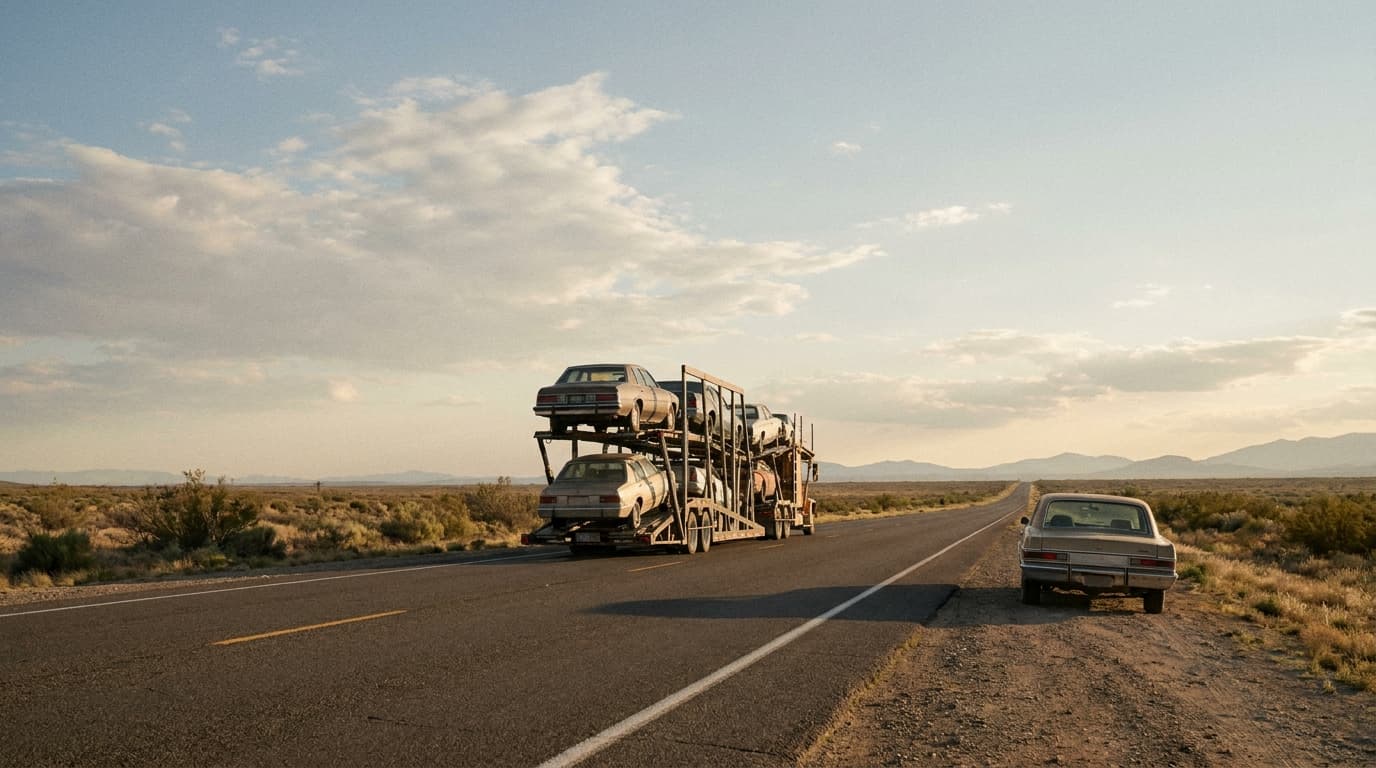
When a car needs to get from one end of the country to the other, you have two options: ship it, or drive it yourself. People tend to assume driving is cheaper because the shipping quote is a visible number and the costs of driving are scattered and easy to ignore. But when you actually add everything up, the comparison is often closer than it looks, and shipping frequently wins. Here is an honest framework for deciding, without the wishful math in either direction.
The real cost of driving it yourself
The mistake most people make is comparing a shipping quote against only the fuel cost of driving. That is not the real comparison. Driving a car across the country actually costs you all of this:
- Fuel for the whole distance.
- Lodging, since a long haul usually means one or more nights in a hotel.
- Meals on the road.
- Your time, several days of it, which has real value whether or not you put a dollar figure on it.
- Wear and depreciation on the car, including hundreds or thousands of miles of engine, tire, and brake wear that shorten its life and lower its value.
- The return trip, if you are driving one way and need to get back, which can mean a flight on top of everything else.
Add those honestly and the "cheap" drive is often not cheap. A cross-country trip can easily run several days and a meaningful sum once lodging, meals, fuel, and wear are counted, before you value your own time at all. See the long-haul economics in Cross-Country Car Shipping.

The case for shipping
Shipping trades a clear price for the removal of all that effort and hidden cost. You fly to your destination, or carry on with your life, while the car travels on a truck. The advantages:
- You save days of your time and a tiring solo drive.
- No miles or wear are added to your car, which matters for a newer, valuable, or leased vehicle where mileage counts. See Shipping a Leased or Financed Car.
- It scales to multiple cars. One person cannot drive two vehicles. See Shipping Multiple Cars at Once.
- Long distances are a good value per mile, since the per-mile rate drops sharply on long hauls.
The tradeoff is that you give up the car for the transit period and pay a visible fee. For most long-distance moves, that trade favors shipping once the full cost of driving is on the table.
The case for driving
Driving is not always the wrong call. It can make sense when:
- The distance is short. For a few hundred miles, driving is quick and cheap, and short moves are the least favorable for shipping on a per-mile basis. See How Much Does It Cost to Ship a Car.
- You want the road trip. If the drive is something you would enjoy and you have the time, that has real value.
- You need the car the whole time and cannot manage a transit gap.
- The car is low-value and high-mileage, where added wear barely matters.
Be honest with yourself about which of these actually applies, versus which is a rationalization to avoid the shipping fee.

A simple way to decide
Run this quick mental math:
- Get an honest shipping quote for your route, using the middle of the pack, not a lowball. See How to Read a Car Shipping Quote.
- Total the real cost of driving: fuel, lodging, meals, and any return flight.
- Add the value of your time and the wear on the car, even roughly.
- Compare. If shipping is close to or below the all-in cost of driving, ship it and reclaim your days. If driving is clearly cheaper and you have the time, or the distance is short, drive it.
For most long-distance moves, especially with a newer car, more than one vehicle, or a tight schedule, shipping comes out ahead. For short hops or an enjoyable road trip with time to spare, driving wins.
The bottom line
The ship-or-drive decision is not close to what the raw shipping quote suggests, because driving hides most of its cost in fuel, hotels, meals, time, wear, and the trip back. Count all of it and shipping is frequently the better deal on a long move, and it is almost always the easier one. Drive it when the distance is short, the car is old, or the road trip is the point. Ship it when the distance is real, the car is worth protecting, or your time is worth more than a tiring cross-country haul.
See real prices, no phone number required
We show named broker prices side by side, labeled by where each number came from. We never ask for your contact info to show you a quote.