
Shipping Multiple Cars at Once
Moving two or more cars, for a family relocation, a household with several vehicles, or a small collection? Shipping them together can save money and hassle. Here is how multi-car shipping works and how to coordinate it.
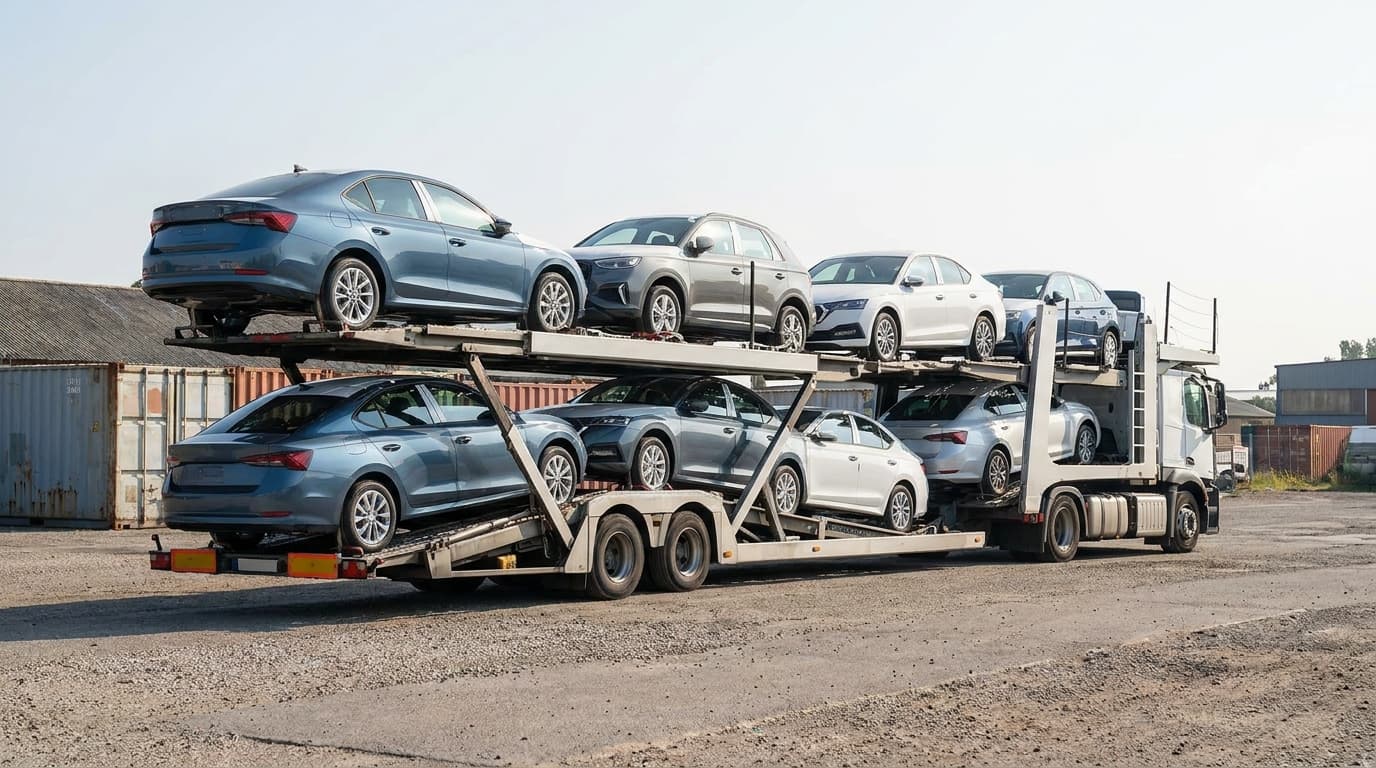
Plenty of shipments involve more than one car. A family relocating with two vehicles, a household where each person has a car, a small collection moving to a new home, or a couple heading south for the winter with both cars. Shipping multiple vehicles at once is common, and done right it can be cheaper per car and simpler than arranging separate moves. The main work is coordination. Here is how multi-car shipping actually works and how to set it up cleanly.
Why shipping together can save money
The economics of auto transport favor efficiency, and multiple cars going the same route at the same time is efficient for a carrier. A standard open carrier holds up to roughly nine or ten vehicles, so adding a second or third car to a route the driver is already running is attractive to them. That often translates into a better per-car rate than shipping each vehicle separately, especially if your cars can share the same pickup and delivery points.
You are not guaranteed a discount, and the exact savings depend on the route, timing, and how full the carrier is, so treat any rate as a planning estimate. But bundling cars on the same lane is one of the few situations where volume genuinely helps your price. It is worth asking specifically for a multi-car rate rather than pricing each car in isolation. See How Much Does It Cost to Ship a Car.
Same origin and destination is the easy case
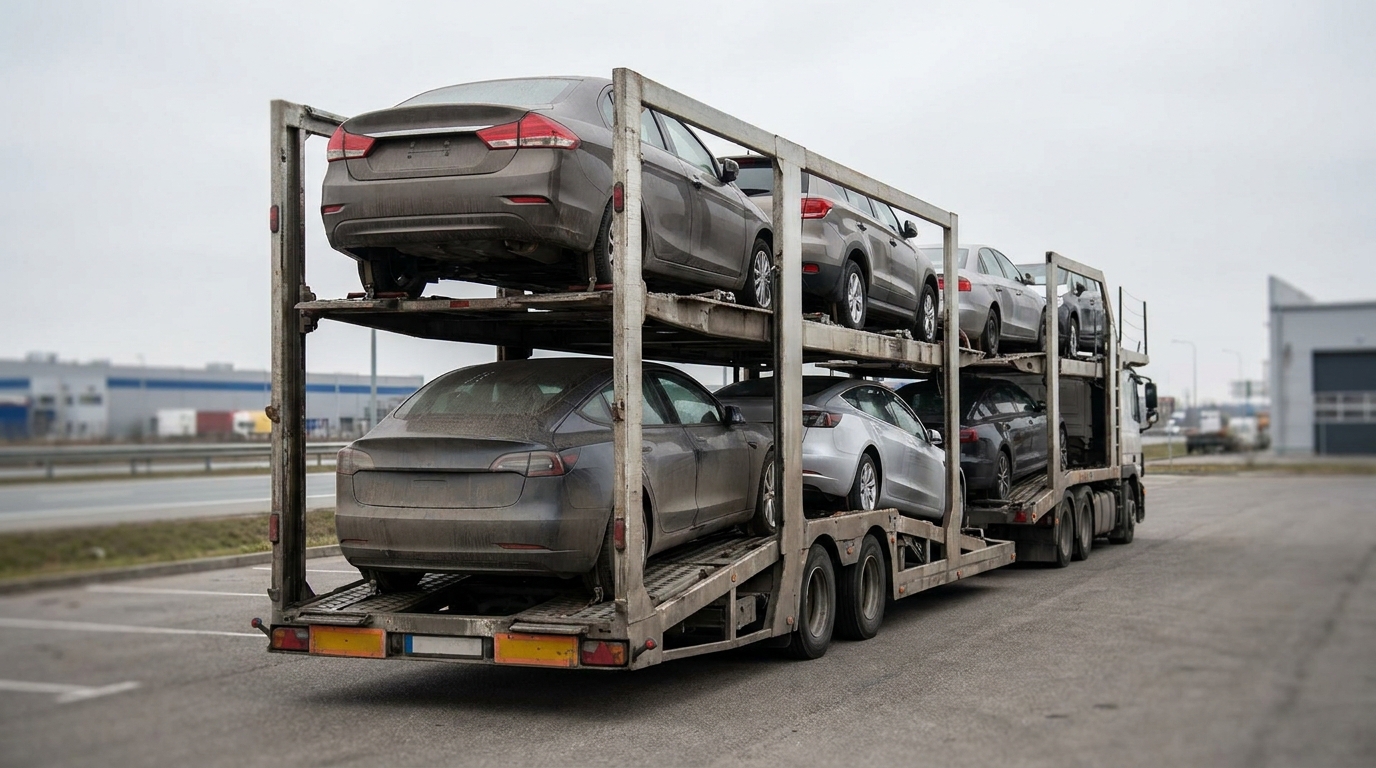
Multi-car shipping is simplest when all the vehicles start and end at the same places, or close to them. A family moving two cars from one home to another is the textbook example: one pickup location, one delivery location, one coordinated move. That is easy for a carrier to quote and run.
It gets more involved if the cars have different origins or destinations. It can still be done, but each additional pickup or delivery point adds stops and complexity, which affects the price and the schedule. If your vehicles are scattered, be upfront about it when you request a quote so the plan and price reflect reality.
Can they all fit on one truck?
Usually, but not always, and it depends on what you are shipping. A standard open carrier can hold up to about nine or ten normal cars, so two or three sedans is no problem. But large vehicles change the math. Full-size trucks, SUVs, and vans take up more deck space and weight, so a carrier may not fit as many of them, and a mix of oversized vehicles might need more than one truck or a specialized arrangement. If you are shipping several large vehicles, or a mix of cars and something oversized, mention it so the carrier can plan capacity. See How to Ship an RV or Oversized Vehicle for the big stuff.
Mixing open and enclosed
Your vehicles may not all want the same trailer. A daily driver and a collector car have different needs. You have two sensible options: ship them all open if none needs special protection, or split them, sending the valuable car enclosed and the rest open. Splitting means two shipments to coordinate, but it is often the right call when only one car warrants the enclosed premium. Do not pay enclosed rates for a whole fleet to protect one special car. See Open vs. Enclosed Auto Transport and Shipping a Classic or Collector Car.
Coordination is the real work
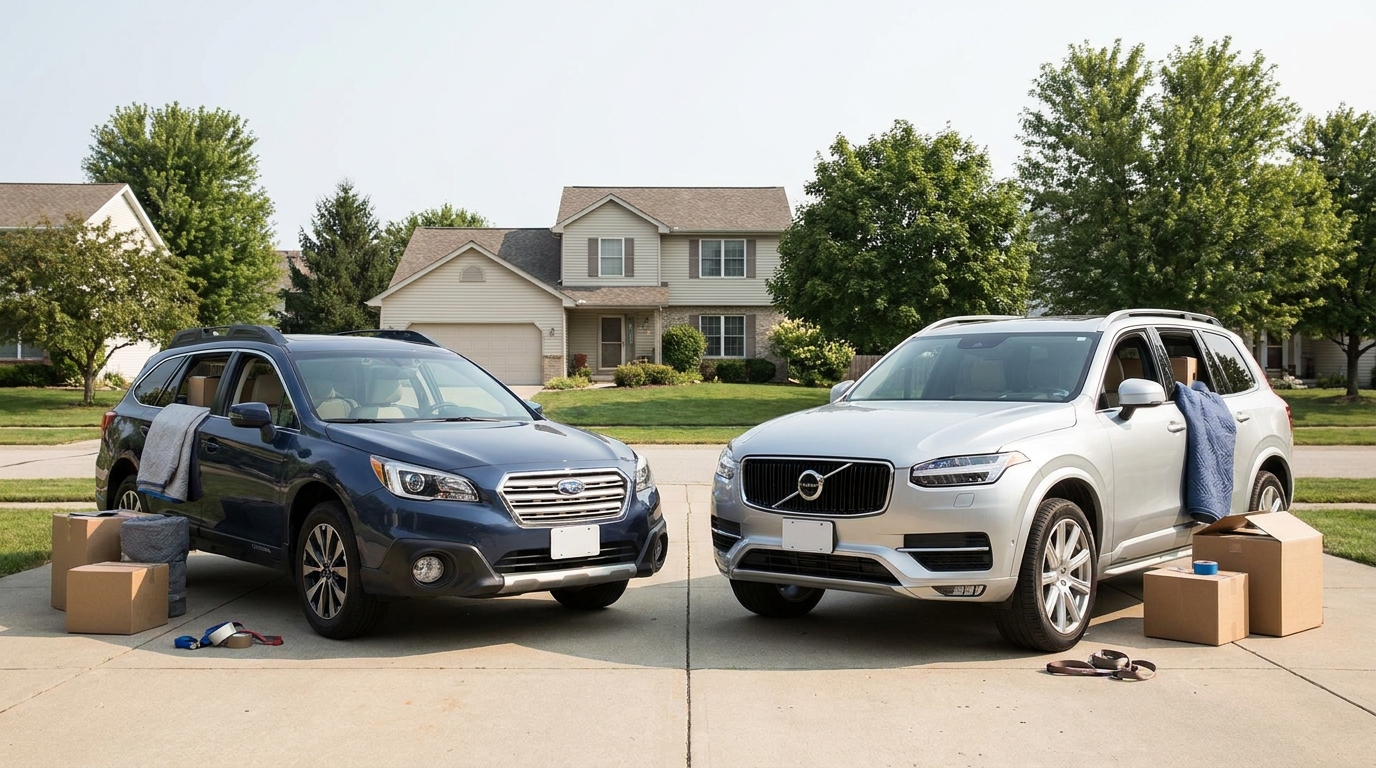
The logistics scale with the number of cars, so get organized:
- Prep every vehicle. Each car needs the full routine: washed, photographed, personal items removed, about a quarter tank of fuel, alarm disabled, and a working key provided. Do not let one car's prep slip because you are handling several. See How to Prepare Your Car for Shipping.
- Document each car separately. Every vehicle gets its own condition record on the Bill of Lading and its own set of your timestamped photos. At delivery, inspect each car against its own baseline before signing. See Understanding the Bill of Lading.
- Provide all the keys, clearly labeled so the right key goes with the right car.
- Confirm who is present to release all the cars at pickup and receive them at delivery, and sort out payment terms for the whole shipment in writing.
Common multi-car scenarios
- Family relocation. Two or more cars from one home to another. Often the cleanest bundle, and pairs naturally with a household move. See Shipping Your Car During a Move or Relocation.
- Snowbirds with two cars. A couple taking both vehicles to the Sun Belt for the season. Bundle them and book early for the peak-direction surge. See Snowbird Car Shipping.
- A small collection. Several vehicles moving together, sometimes a mix of daily drivers and special cars, which may call for splitting open and enclosed.
The bottom line
Shipping multiple cars at once is common and often cheaper per car, because a carrier running a route wants to fill the truck. The easy version is several vehicles sharing one origin and one destination, and the price improves when you ask for a genuine multi-car rate rather than pricing each car alone. Watch capacity if the vehicles are large, split open and enclosed when only one car is special, and stay organized on prep, keys, and documentation for every car. Handle the coordination and a multi-vehicle move is barely harder than a single one, at a better rate.
See real prices, no phone number required
We show named broker prices side by side, labeled by where each number came from. We never ask for your contact info to show you a quote.