
Auto Transport Glossary: Car Shipping Terms Explained
Brokers, carriers, BOL, RoRo, inop, door-to-door: car shipping has its own vocabulary. Here is a plain-English glossary of the terms you will run into, so no quote or contract catches you off guard.
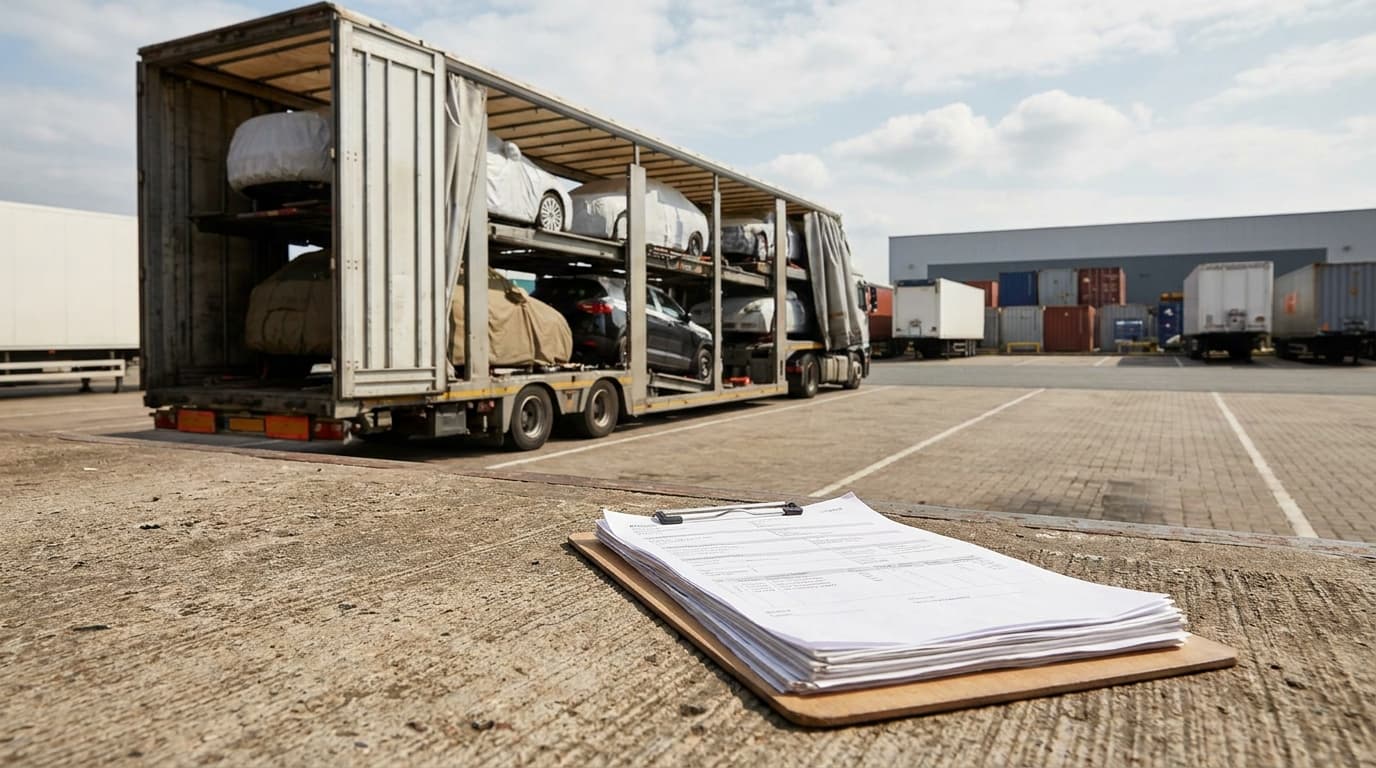
Car shipping comes with its own vocabulary, and a first-time shipper can feel lost reading a quote or a contract full of terms nobody explained. This glossary lays out the words and abbreviations you are most likely to encounter, in plain English, so you can read any quote, ask the right questions, and never nod along to a term you do not actually understand. Where a topic deserves more depth, we link to the full guide.
The core players
Broker. A licensed company that arranges your shipment but does not own the truck. It takes your order and finds a carrier to haul the car, and its fee is included in your price. Most companies you find are brokers. See Broker vs. Carrier.
Carrier. The company that owns the truck and physically transports your car. Carriers hold motor carrier authority and carry the cargo insurance that covers your vehicle in transit.
Owner-operator. A carrier who owns and drives their own truck, often running just one or a few trucks. A large share of the industry.
Dispatcher. The person who coordinates loads and drivers for a carrier, matching trucks to jobs.
Documents and money
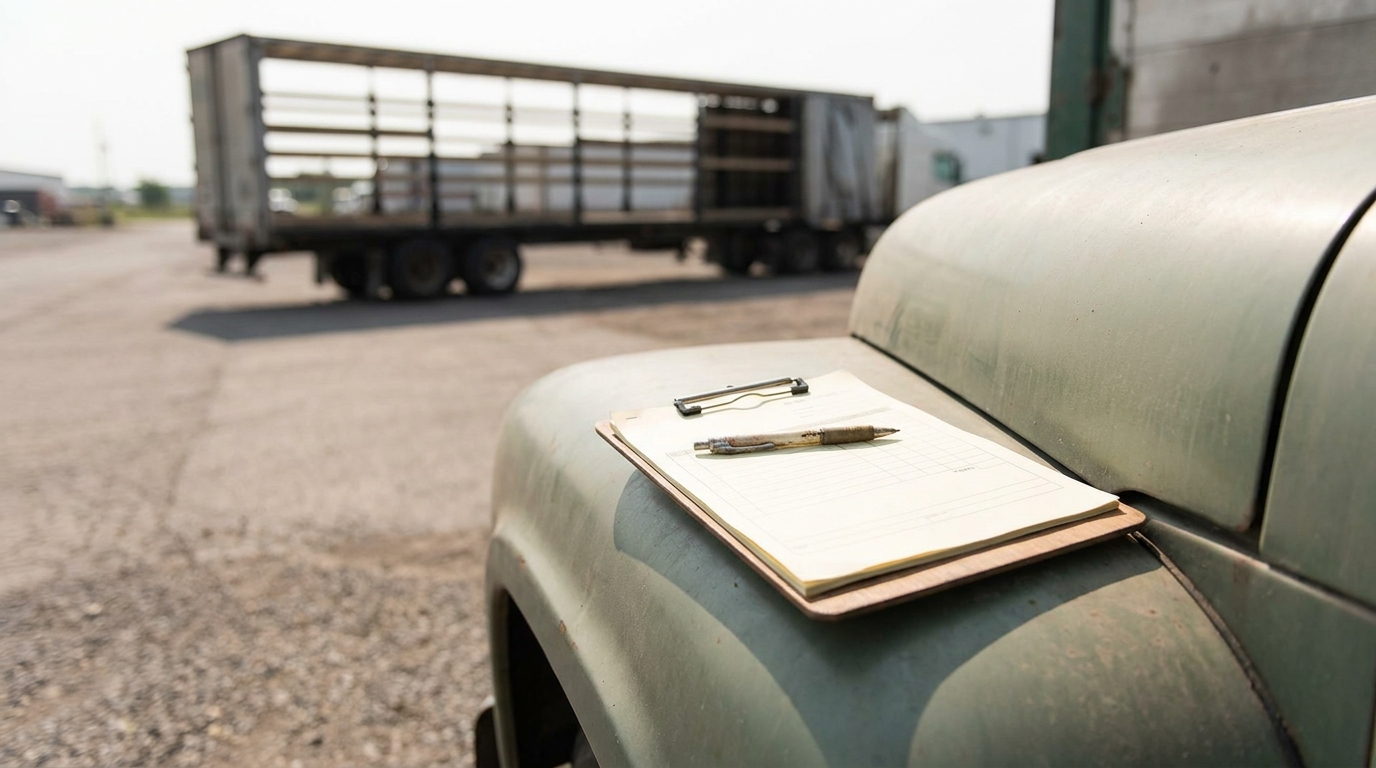
Bill of Lading (BOL). The key document of your shipment. It is a receipt, the contract of carriage, and the vehicle condition report all in one. Your signature at delivery certifies the car's condition, so never sign a clean one without inspecting. See Understanding the Bill of Lading.
Condition report. The part of the BOL, usually a car diagram, where existing damage is marked at pickup and the car is checked again at delivery.
Deposit. A partial upfront payment, normally collected when a carrier is assigned, with the balance due at delivery. See How Car Shipping Payment Works.
COD. Cash on delivery, meaning the remaining balance is paid, often in cash or certified funds, when the car arrives.
Cargo insurance. The carrier's insurance that covers your vehicle for damage in transit. Confirm the coverage amount fits your car's value. See Auto Transport Insurance Explained.
Service types
Open transport. Shipping on an exposed, multi-level carrier, the most common and economical method. See Open vs. Enclosed Auto Transport.
Enclosed transport. Shipping inside a covered trailer for full protection from weather and debris, used for valuable and collector cars, at a premium.
Door-to-door. The carrier picks up and delivers as close to your addresses as a large truck can safely reach, meeting nearby if a street is too tight. The default. See Door-to-Door vs. Terminal-to-Terminal.
Terminal-to-terminal. You drop the car at a lot and collect it from another, less common and often with storage fees.
Expedited or guaranteed shipping. A premium service for a faster or guaranteed pickup date. See Expedited Car Shipping.
Vehicle and loading terms
Inoperable (inop). A vehicle that cannot start, roll, brake, or steer normally, needing special loading equipment and a surcharge. See How to Ship a Non-Running Car.
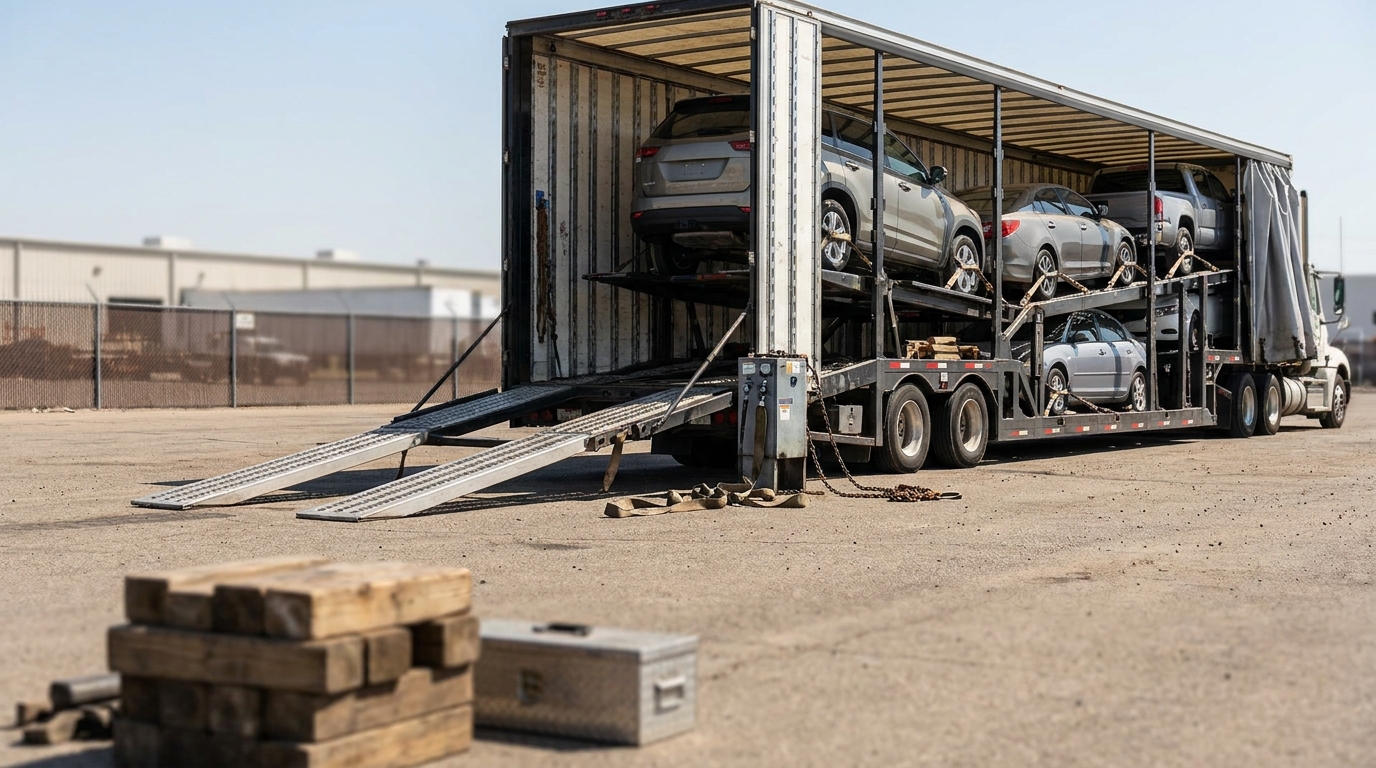
Winch. A cable device that pulls a rolling but non-driving car onto the trailer.
Liftgate. A hydraulic platform that raises a car onto the deck without a steep ramp, used for low or delicate cars.
Soft straps. Tie-downs that secure a car by its wheels or tires rather than the frame, preferred for valuable and low vehicles.
Top load. A placement on the upper deck of an open carrier, away from any drips from vehicles above, sometimes offered as an add-on.
Marketplace and logistics terms
Load board. The national marketplace where brokers post jobs and carriers find loads to fill their routes. Your price is essentially a bid on this board, which is why an unrealistically low price does not get picked up. See How Much Does It Cost to Ship a Car.
Lane or route. The origin-to-destination pairing of your shipment. Popular lanes between big metros are cheaper and faster than remote ones.
Lowball or bait and switch. A quote priced below what any carrier will run, used to win a booking, after which the price rises to the real rate. The most common industry trick. See How to Avoid Car Shipping Scams.
Pickup window. The range of time, rather than an exact hour, within which the carrier collects your car.
RoRo (roll-on/roll-off). An ocean shipping method where cars are driven onto a specialized vessel, used for overseas and Hawaii moves. See International Car Shipping.
Regulatory terms
DOT number. A US Department of Transportation identifier for a carrier operating commercially.
MC number. A motor carrier or broker operating authority number issued by federal regulators. You can look up a company's authority in the public SAFER system to confirm it is active.
FMCSA. The Federal Motor Carrier Safety Administration, the US agency that regulates carriers and brokers and where you can verify authority and file complaints.
The bottom line
You do not need to memorize this list, but knowing the vocabulary changes how you shop. When a quote says open door-to-door with a deposit and COD balance, or a contract references the BOL and cargo insurance, you will know exactly what you are agreeing to. Keep this glossary handy while you gather quotes, and follow the links when a term matters enough to understand in full. An informed shipper asks better questions, and better questions get better outcomes.
See real prices, no phone number required
We show named broker prices side by side, labeled by where each number came from. We never ask for your contact info to show you a quote.