
Selling a Car and Shipping It to the Buyer
Sold your car to someone out of state? Whether you or the buyer arranges transport, a few steps protect you as the seller. Here is how to hand off a car for shipping and avoid post-sale disputes.
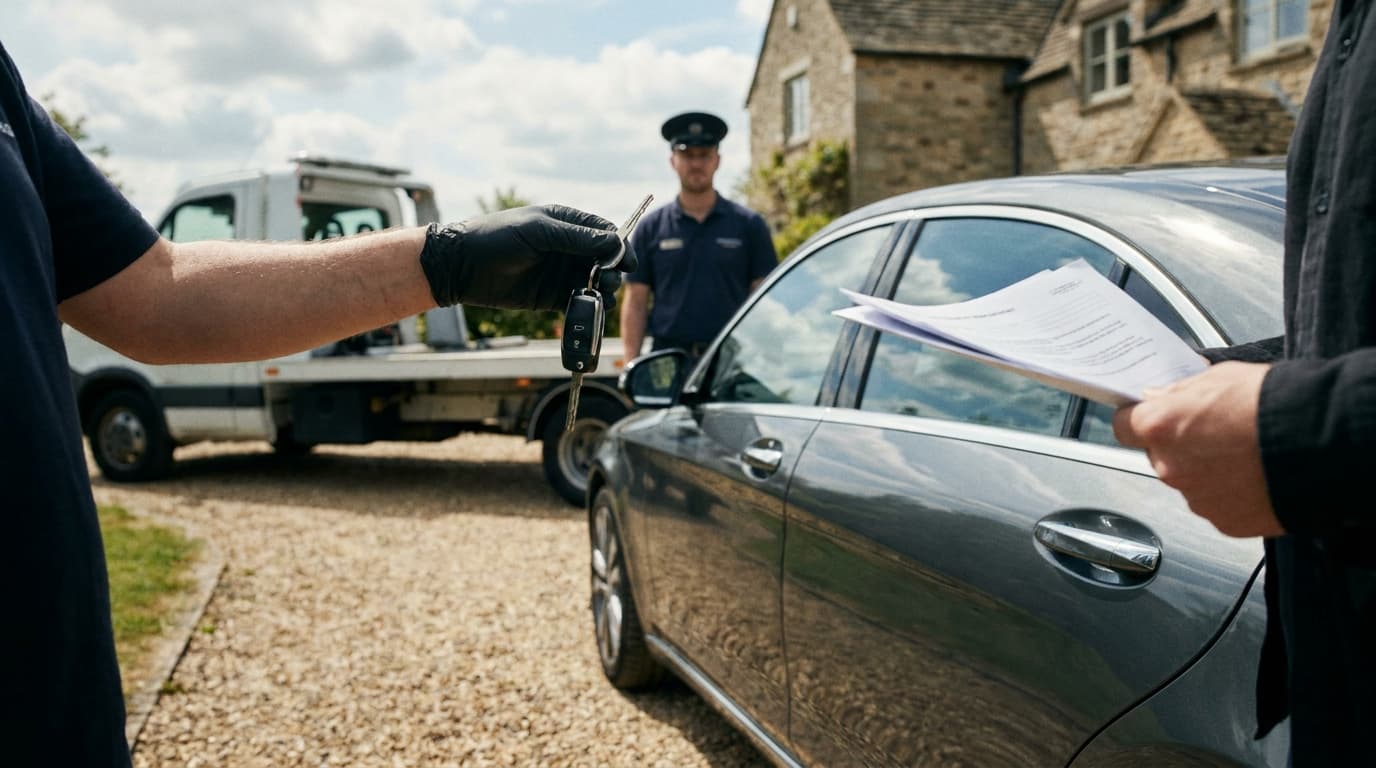
Selling a car to an out-of-state buyer is more common than ever, thanks to online marketplaces and enthusiast auction sites that connect sellers and buyers across the country. Once the deal is done, the car has to get to its new owner, and that handoff is where a seller can expose themselves to risk if they are not careful. Whether you arrange the shipping or the buyer does, a few simple steps protect you from post-sale disputes and make the transfer clean. This is the seller's companion to the buyer's guide in How to Ship a Car You Bought Online.
First, settle who arranges and pays for shipping
Nail this down as part of the deal, in writing, before the car moves. In most private out-of-state sales, the buyer arranges and pays for transport, since they are the one who wants the car delivered. But arrangements vary, and sometimes a seller offers to handle shipping as part of the sale. Either way, agree explicitly on:
- Who books the carrier and who pays for it.
- The pickup location and timing that work for you as the seller.
- When ownership and risk transfer, which is the important one covered below.
Ambiguity here is how disputes start. Put the shipping responsibility in the bill of sale or your written agreement.
Get paid before the car leaves
This is the seller's cardinal rule: complete the payment before you release the car to the carrier. Once the truck drives away, the car is gone, and chasing payment afterward is a bad position to be in. Use a secure, confirmed payment method and make sure the funds have actually cleared, not just been promised or shown as pending. Be especially wary of overpayment schemes, requests to refund a difference, or pressure to release the car against a payment that has not settled. A legitimate buyer will understand that the car ships once payment is confirmed.
Document the car's condition thoroughly at pickup
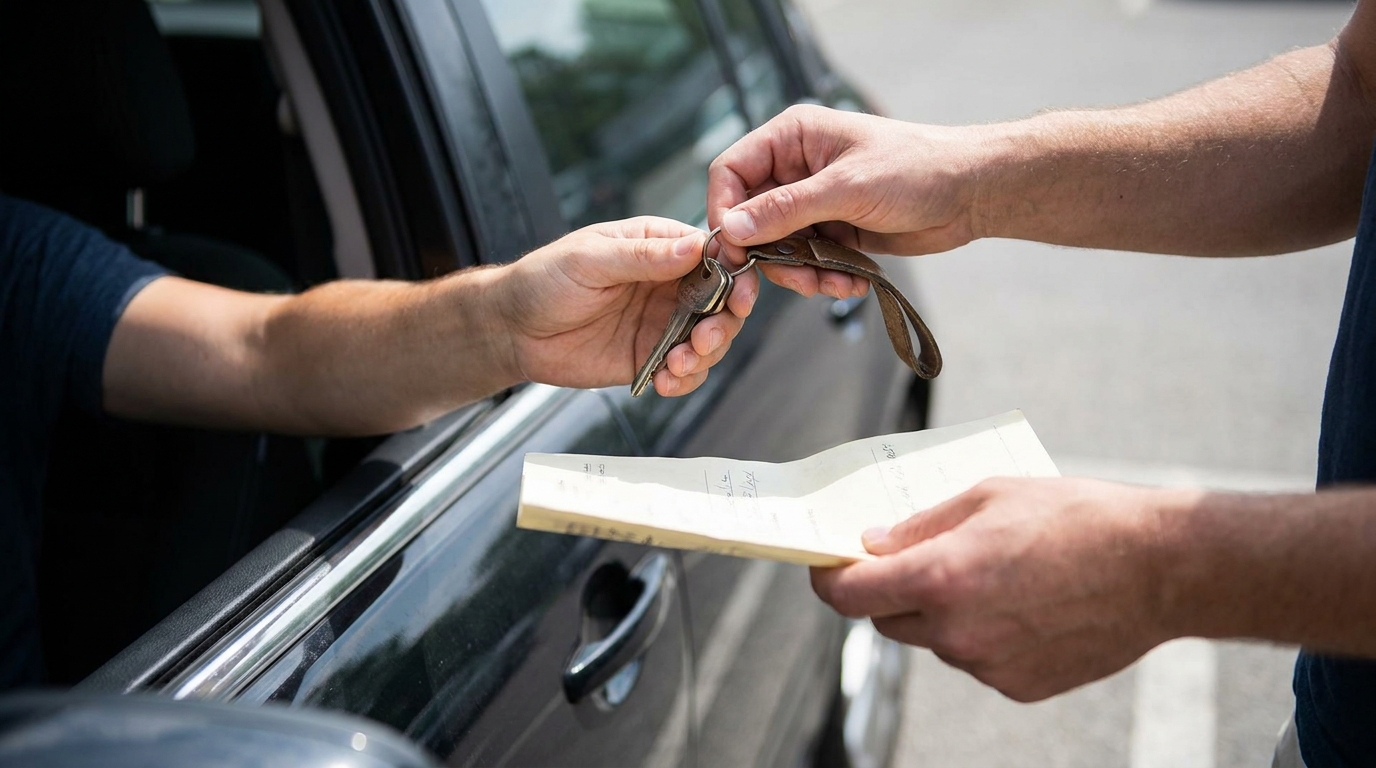
Since the buyer will inspect the car at delivery, potentially days later and hundreds of miles away, you want an airtight record of the exact condition in which the car left you. This protects you if the buyer later claims the car arrived worse than described, because you can show its true condition at handoff.
At pickup:
- Photograph the entire car in good light, every panel, the wheels, the interior, and the odometer, timestamped.
- Do the condition walkaround with the driver and make sure the Bill of Lading's condition report accurately reflects the car, including every existing flaw. See Understanding the Bill of Lading.
- Keep your copy of the signed pickup paperwork and your photos.
This record does double duty. It is your proof of condition against a buyer dispute, and it is the pickup baseline for any legitimate transport damage claim. It also cleanly separates two different things: damage that happens in transit, which is the carrier's responsibility, and a buyer who is unhappy about the car itself, which is a sale matter, not a shipping one.
Handle the title, keys, and belongings
Take care of the ownership and practical details so the handoff is clean:
- Complete the title transfer and bill of sale per your state's rules. Note that shipping the car does not transfer ownership, that is a separate legal step between you and the buyer.
- Coordinate the keys. Provide a working key to the carrier for the buyer, and do not send your only copy of anything you need.
- Empty the car of all your personal items. Anything left inside is not covered by the carrier's cargo insurance and should not be traveling to the buyer anyway.
- Remove your plates and toll tags if your state requires it, so you are not liable for the car after the sale.
If the buyer is arranging shipping
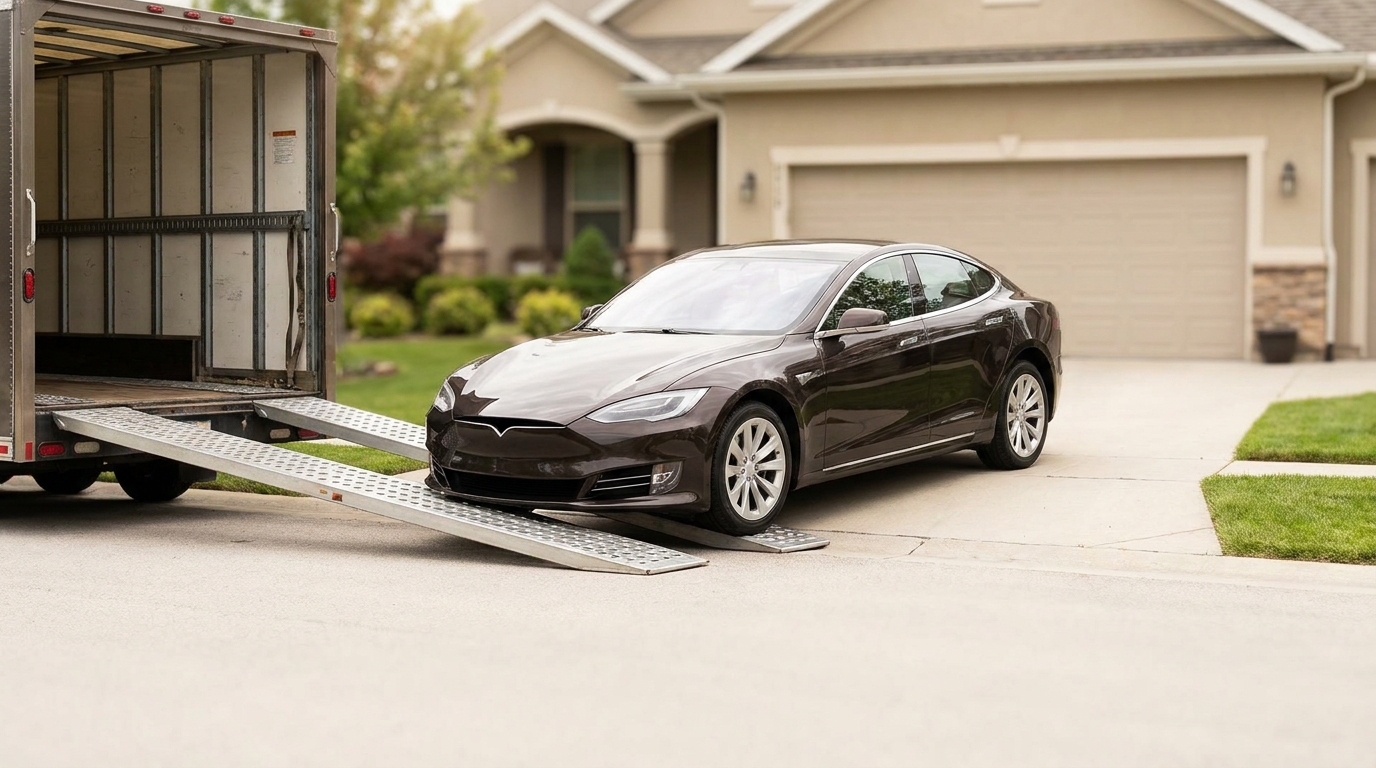
When the buyer books the carrier, your job as seller is mainly to be a good pickup point. Be available for the pickup window, do the condition walkaround with the driver, and send the buyer your timestamped photos as a courtesy and a record. Make sure you know who the carrier is and that the pickup is legitimate before you release the car. You are handing your vehicle to a driver you did not hire, so confirm the details with the buyer in advance.
If you are the one arranging shipping, you are the customer, and all the usual guidance applies: price it honestly to avoid the lowball trap, choose open or enclosed based on the car, and vet the company. See How to Read a Car Shipping Quote and How to Avoid Car Shipping Scams.
The bottom line
Selling a car to a distant buyer comes down to protecting yourself at the handoff. Agree in writing who arranges and pays for shipping, confirm payment has fully cleared before the car leaves, and document the car's exact condition at pickup with photos and an accurate Bill of Lading. Handle the title, keys, and plates properly, and keep the transport claim separate from any dispute about the sale itself. Do those and you hand off the car cleanly, get paid, and stay out of the arguments that catch unprepared sellers.
See real prices, no phone number required
We show named broker prices side by side, labeled by where each number came from. We never ask for your contact info to show you a quote.